How to Open a Bank Account in Bulgaria: A Guide for Newcomers
Opening a local bank account is one of the first practical steps for anyone settling in Bulgaria. Here's what you need to know, from required documents to choosing the right account.
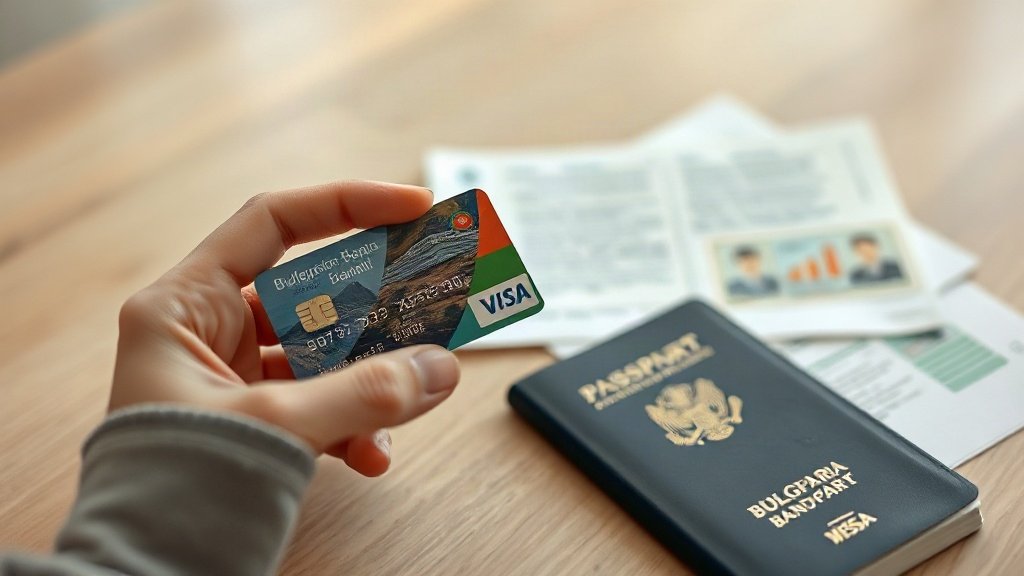
Illustration: AI-generated image
For anyone moving to Bulgaria, opening a local bank account quickly becomes essential. Whether you're receiving a salary, paying utility bills, or simply buying a coffee with a contactless card, having a Bulgarian account makes everyday life far simpler. The good news is that the process is generally straightforward, especially if you prepare the right paperwork in advance.
What you'll need
Most banks will ask for the same core documents. As a foreigner, you'll typically need:
- A valid passport or national ID card
- Your Bulgarian residence permit (if you have one)
- Proof of address in Bulgaria (such as a rental contract or a utility bill in your name)
- Sometimes, a document showing your employment or source of income
It's always wise to call ahead or check the bank's website to confirm the exact list, as requirements can vary slightly between institutions.
Choosing the right bank
Bulgaria has a well-developed banking sector with both local and international banks. When choosing, consider factors like branch and ATM coverage in your area, whether the bank offers online banking in English, and the fee structure for everyday services. Many expats prioritise a bank with staff who speak English, which is common in larger cities but less so in rural towns.
Types of accounts
Most people start with a current account (known as a razplashtatelna smetka), which allows you to receive salary payments, make card transactions, and set up direct debits for bills. Savings accounts are also available if you want to earn interest on your deposits. Some banks offer packaged accounts that include travel insurance or other perks, but these often come with a monthly fee, so check the details.
The opening process
You can usually open an account by visiting a branch in person. Some banks allow you to start the process online, but you'll likely need to visit a branch to show original documents and sign forms. The account is often activated within a day or two, and you'll receive a debit card by post or in-branch. Make sure to ask about any minimum deposit requirements and monthly maintenance fees, as these can vary.
Using your account
Once your account is open, you'll have access to online and mobile banking, which is standard at most banks. You can pay bills, transfer money, and check your balance from your phone. Many banks also support contactless payments and mobile wallets. If you need to send money abroad, ask about international transfer fees and exchange rates, which can differ significantly.
Tips for newcomers
- Before opening an account, ask for a clear list of all fees: monthly maintenance, card issuance, ATM withdrawals at other banks, and international transfers.
- If you're not yet fluent in Bulgarian, look for a bank that offers a fully English online interface.
- Keep all your documents ready in both original and photocopy form to speed up the process.
- Ask about the bank's policy for closing the account if you ever decide to leave Bulgaria – some banks charge a closing fee.
With a little preparation, opening a bank account in Bulgaria is a smooth experience, and it opens the door to managing your finances confidently in your new home.