Sozopol: A Guide to Bulgaria's Ancient Seaside Town
Discover one of the oldest towns on the Bulgarian Black Sea coast, known for its wooden houses, archaeological treasures and relaxed beach vibe.
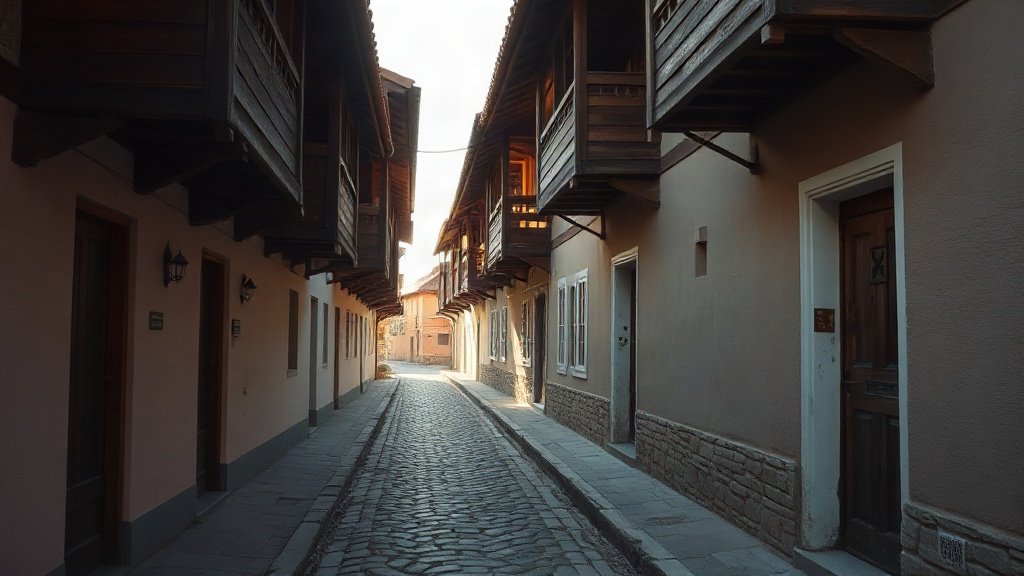
Illustration: AI-generated image
Sozopol, on Bulgaria's southern Black Sea coast, is one of the country's oldest towns, founded by Greek colonists in the 7th century BC as Apollonia. Today it charms visitors with its atmospheric old town, wooden houses, ancient ruins and relaxed beaches. Here's how to make the most of a visit.
Getting There
Sozopol is about 35 km south of Burgas, the regional hub. Regular buses run from Burgas and other coastal resorts. If driving, take the main coastal road; parking is available on the outskirts of the old town. The nearest airport is Burgas, served by seasonal flights.
Old Town and Architecture
The old town sits on a rocky peninsula jutting into the sea. Its cobbled lanes are lined with traditional Bulgarian Revival houses, many with overhanging upper floors and wooden balconies. The Church of St. George, with its impressive iconostasis, and the Church of the Holy Virgin are among the most notable landmarks. Stroll along the waterfront for views of the sea and the ruins of the medieval fortress walls.
Museums and History
The Archaeological Museum houses artefacts from ancient Apollonia, including Greek pottery, coins and the famous "Sozopol vampire" skeleton (though that's more of a curiosity). The town also has a small art gallery and the Southern Fortress Wall and Tower, a well-preserved relic from the medieval period. A short boat trip can take you to St. Ivan Island, home to the ruins of a medieval monastery.
Beaches
Sozopol has two main beaches: Central Beach, right below the old town, and Harmani Beach, a larger stretch to the south. Both have fine golden sand and shallow waters, ideal for families. For more seclusion, head to Kavatsite or Smokinya beaches a bit further south. The sea is warmest in July and August.
Food and Drink
Being a fishing port, Sozopol is known for its fresh seafood. Try grilled fish, mussels, or the local fish soup. Many restaurants offer outdoor seating with sea views. Don't miss a taste of Bulgarian rakia or a glass of local wine. For a quick snack, grab a banitsa from a bakery.
Practical Tips
The best time to visit is from May to September for beach weather, but spring and autumn offer mild temperatures and fewer crowds. Wear comfortable shoes for the cobbled streets. In summer, book accommodation in advance. English is widely spoken in tourist areas. Sunscreen and a hat are essential for beach days.