Shiroka Laka: A Guide to Bulgaria's Musical Village in the Rhodopes
Discover Shiroka Laka, a fairytale village in the Rhodope Mountains known for its traditional stone houses, rich musical heritage, and easy access to mountain trails.
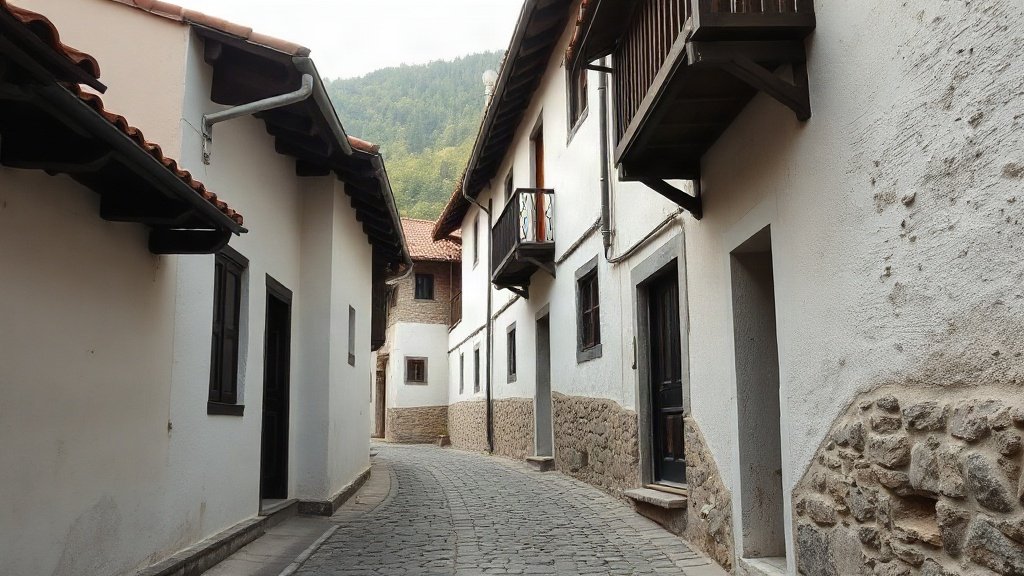
Illustration: AI-generated image
Shiroka Laka sits at an altitude of over 1,000 metres in the heart of the Rhodope Mountains, about 20 km from the regional centre of Smolyan. With fewer than 600 permanent residents, the village feels like a step back in time, with cobbled lanes, stone-slab roofs, and whitewashed houses that have remained largely unchanged for centuries.
What makes Shiroka Laka truly special, though, is its living tradition of folk music. The village is home to the National School for Folk Arts, where young musicians and dancers from across Bulgaria study traditional Rhodopean singing, the gaida (bagpipe), kaval (wooden flute), and other regional instruments. As you walk through the village, you may hear the sound of a gaida drifting from an open window or a group of students rehearsing a slow, haunting Rhodope song.
Getting to Know Shiroka Laka
Shiroka Laka was founded centuries ago, and its name means "wide bend" or "wide curve", referring to the shape of the river valley it occupies. The village is a protected architectural reserve, which means new construction is tightly regulated to preserve its traditional character. Many of the houses were built in the 18th and 19th centuries, with thick stone walls, small windows, and heavy wooden gates that open onto hidden courtyards.
Two arched stone bridges cross the river that runs through the village. The older one, known as the "Roman Bridge", though it is not actually Roman, is a favourite spot for photos. The village also has a beautiful church, the Church of the Assumption, built in 1834, with a richly carved iconostasis and a separate bell tower.
The Music of the Rhodopes
The Rhodope Mountains have a distinct musical tradition, characterised by slow, ornamented melodies and the unique sound of the kaba gaida, a large, low-pitched bagpipe. Shiroka Laka is one of the best places in Bulgaria to encounter this tradition first-hand. The National School for Folk Arts was established in 1971 and continues to train generations of musicians, singers, and dancers.
Visitors are welcome to attend the school's public concerts and performances, which take place throughout the year, especially during the summer months. The village also hosts folk festivals and gatherings that celebrate authentic Rhodopean customs, including the springtime Kukeri ritual, when masked men in heavy costumes dance through the streets to chase away evil spirits.
What to See and Do
- Stroll the cobbled streets – the village is small enough to explore on foot in an hour or two, but allow time to pause at the bridges and admire the architecture.
- Visit the Church of the Assumption – step inside to see the icons and woodcarving, and climb the bell tower for views over the rooftops.
- Listen to live music – look for announcements of concerts at the folk arts school or local community centre, particularly in summer.
- Hike in the surrounding mountains – the nearby Golyam Perelik peak (2,191 m) and the Trigrad Gorge offer excellent day-trip opportunities.
- Taste local food – try Rhodopean specialities like patatnik (a potato and cheese bake) and kachamak (cornmeal porridge) in village mehanas.
When to Visit
Shiroka Laka is a year-round destination. Summer brings warm days and the busiest cultural calendar, while autumn paints the mountains in gold and red. Winter is cold and snowy, but the village's stone houses look magical under a blanket of snow, and the nearby ski resort of Pamporovo is just a short drive away. Spring can be muddy but the Kukeri festival, held in early March, is a unique experience if you are in the area.
Getting There and Around
The most practical way to reach Shiroka Laka is by car. From Sofia, it takes about three and a half hours via Plovdiv and Asenovgrad, then over the Rozhen Pass. From Plovdiv, the drive is approximately two hours. Public transport is limited: there are buses from Smolyan and Pamporovo, but they run infrequently, so check local timetables in advance. Once in the village, everything is within easy walking distance.