Sofia: Bulgaria's Capital as a Business Hub
Sofia is Bulgaria's economic powerhouse, home to a vibrant mix of international companies, startups and talent. Here's what you need to know about doing business in the capital.
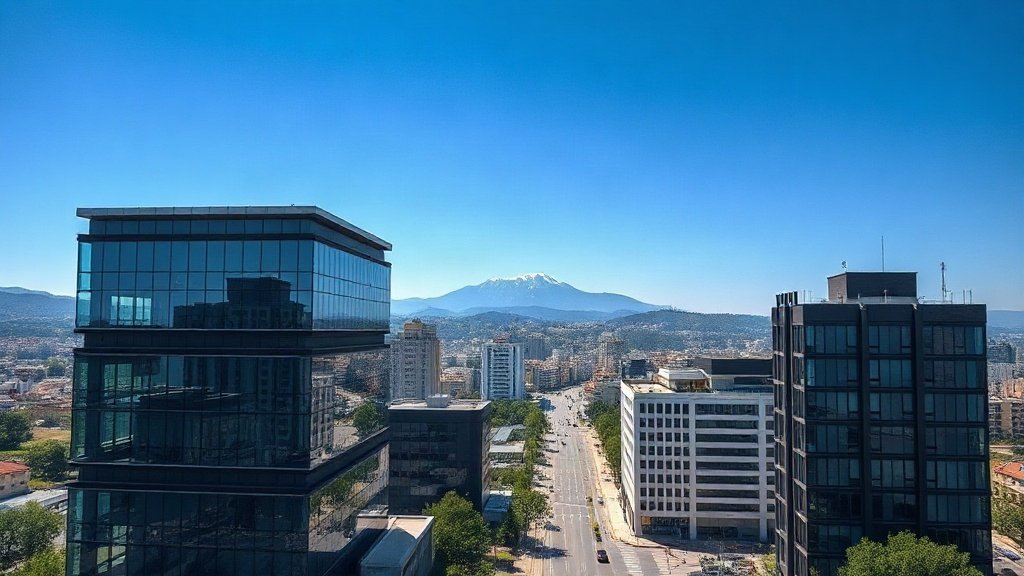
Illustration: AI-generated image
Sofia is not just Bulgaria's political capital—it's also the country's main engine for business and investment. With a growing economy, a young and educated workforce, and improving infrastructure, the city continues to attract companies from across Europe and beyond. Whether you're considering setting up an office, expanding your operations, or simply attending business meetings, understanding Sofia's business landscape can give you a valuable advantage.
Why Sofia Attracts Businesses
Sofia generates a significant share of Bulgaria's GDP, and it is the natural location for many corporate headquarters, service centres and technology firms. The city benefits from a large pool of university graduates, many of whom speak English and other European languages. Labour costs remain competitive compared with Western Europe, while the quality of office space and digital connectivity is high. Sofia is also well positioned geographically, with easy access to other Balkan markets and direct flights to most major European cities.
Key Business Districts
Most business activity is concentrated in a few well-defined areas. The city centre, around the National Palace of Culture and along Tsarigradsko Shose Boulevard, hosts many banks, law firms and government institutions. To the south, the area near Sofia Airport and the Business Park offers modern office campuses, often preferred by technology and outsourcing companies. The Lozenets and Hladilnika districts have become popular with startups and creative agencies, thanks to a mix of renovated industrial buildings and new developments.
Transport and Connectivity
Sofia's public transport network includes a metro system, trams, buses and trolleybuses, making commuting relatively straightforward. The metro in particular connects key business areas with the airport and central railway station. For international travel, Sofia Airport serves numerous European destinations, and the city is a hub for road and rail connections across the Balkans. Traffic congestion can be an issue during peak hours, so many companies offer flexible working arrangements or choose office locations near metro stations.
Networking and Professional Community
Sofia has a lively business community, with regular industry events, conferences and meetups covering technology, finance, marketing and entrepreneurship. International chambers of commerce, such as the American Chamber of Commerce and the British Bulgarian Business Association, are active in the city and offer valuable networking opportunities. Coworking spaces and incubators also provide a supportive environment for freelancers and small teams.
Quality of Life for Employees
Attracting and retaining talent depends not only on salaries but also on the living environment. Sofia offers a rich cultural scene, with theatres, galleries, music venues and a growing restaurant and café culture. The nearby Vitosha Mountain provides opportunities for hiking and skiing, making it easy for residents to enjoy nature without leaving the city. Housing options range from central apartments to suburban family homes, and international schools are available for expatriate families.
Practical Considerations
When setting up in Sofia, it's worth considering factors such as office lease terms, utility costs and local administrative procedures. Many companies choose to work with local law firms or business consultants to navigate registration, taxation and employment regulations. While English is widely spoken in business circles, learning some Bulgarian can help build stronger relationships. Overall, Sofia combines the advantages of a European capital with a cost base that remains attractive for many businesses.