Bulgaria's Rose Oil Industry: A Business Guide
Bulgaria is one of the world's leading producers of rose oil, a prized ingredient in perfumery and cosmetics. This guide explores the industry's traditions, production process and opportunities for entrepreneurs.
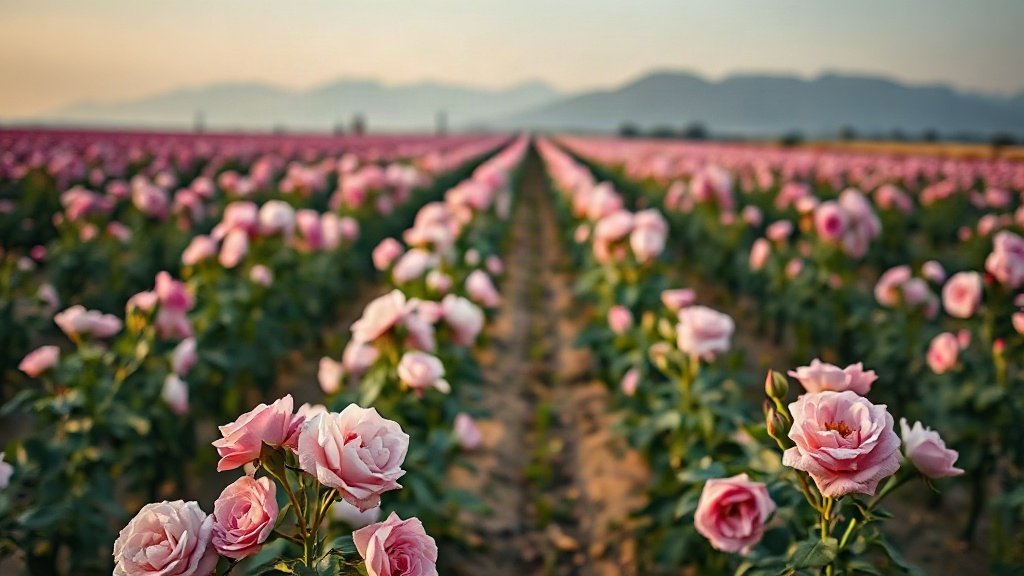
Illustration: AI-generated image
For centuries, Bulgaria has been synonymous with rose oil, a precious essential oil distilled from the petals of the Damask rose. The country's Rose Valley, nestled between the Balkan Mountains and Sredna Gora, offers ideal conditions for cultivating this fragrant flower, making Bulgaria one of the world's top producers. For entrepreneurs and investors, the rose oil sector presents a unique blend of tradition and modern business potential.
A Tradition Rooted in the Rose Valley
The cultivation of oil-bearing roses in Bulgaria dates back over 300 years. The region around Kazanlak and Karlovo is particularly renowned, where the climate, soil and altitude contribute to a high oil content in the petals. The main variety grown is Rosa damascena, known for its rich, complex aroma. Each spring, the rose harvest is a labour-intensive affair: petals are hand-picked in the early morning hours when their oil concentration is highest.
The Production Process
Rose oil is extracted through steam distillation, a method that has remained largely unchanged for generations. Approximately 3,000 to 4,000 kilograms of rose petals are needed to produce just one kilogram of rose oil, which explains its high value. The oil is used primarily in high-end perfumery, cosmetics and aromatherapy. Bulgaria also produces rose water, a by-product of distillation, which is widely used in culinary and cosmetic applications.
Business Opportunities
The rose oil industry offers several entry points for businesses. These include rose cultivation, establishing a distillery, buying and selling bulk oil, or creating finished products such as perfumes, soaps and skincare lines. Many small and medium enterprises have found success by combining traditional methods with modern marketing, targeting both domestic and international markets. Organic certification and sustainability practices are increasingly important to discerning buyers.
Key Considerations
Entering the rose oil business requires careful planning. The crop is highly dependent on weather conditions, and production is seasonal, concentrated in May and June. Quality control is paramount, as the oil's purity and aroma profile determine its market value. Additionally, navigating export regulations and building relationships with international buyers are essential for long-term success. For those willing to invest time and resources, Bulgaria's rose oil industry remains a fragrant and profitable niche.