Sedenka: Bulgaria's Traditional Evening Gatherings of Work and Song
The sedenka was a cherished social custom in Bulgarian villages, where neighbours gathered on long autumn and winter evenings to spin, sew, sing and share stories.
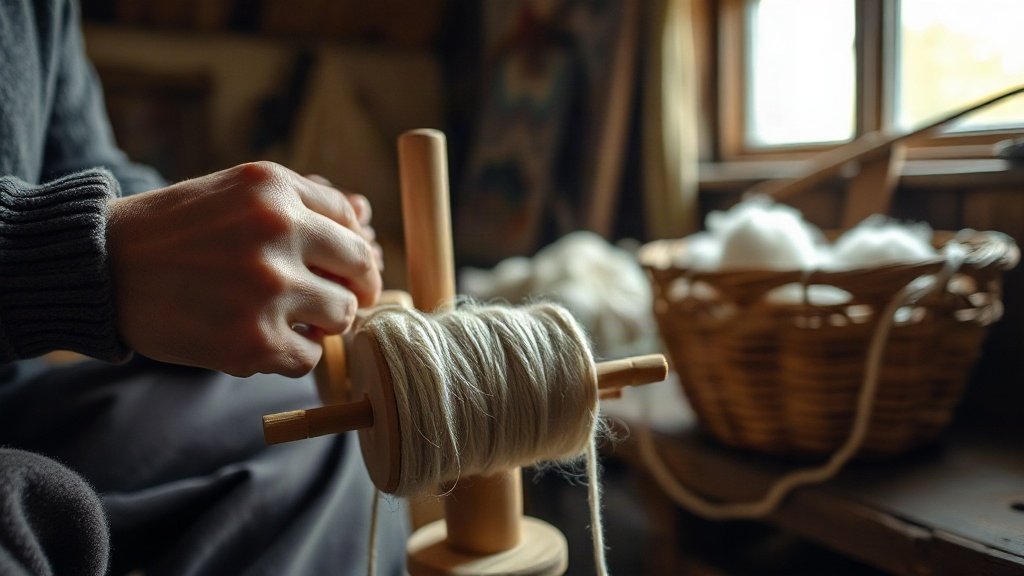
Illustration: AI-generated image
Long before television or electric light, the dark evenings of autumn and winter were filled with a special warmth in Bulgarian villages: the sedenka. This traditional gathering brought neighbours together in a shared space of work, music and conversation, turning ordinary chores into a social occasion that strengthened the fabric of rural life.
What Is a Sedenka?
A sedenka was an evening get-together, most often held in someone's home, where women and girls would bring their handiwork — spinning wool, carding, sewing, embroidering or knitting — and work together by the light of a fire or oil lamp. The word itself comes from the Bulgarian verb sedya, meaning "to sit", reflecting the long hours spent sitting and working side by side.
While the primary purpose was practical, the sedenka was never just about finishing chores. It was a living social institution, especially in small villages, where the rhythm of agricultural life left little time for leisure during the warmer months. Once the harvest was in and the days grew short, the sedenka season began, usually around late October and continuing until the start of Lent.
The Rhythm of the Season
Sedenki were most common during the period of the Christmas fast and the long winter nights. They often took place in a different home each evening, rotating among the young women of the village, or in a communal building if one existed. The atmosphere was informal but governed by unwritten rules of hospitality and respect.
Work started early in the evening, with women arriving after their household duties were done. As hands moved quickly over wool and thread, conversation flowed — news of the village, family matters, plans for upcoming weddings, and retellings of local legends. Songs were an essential part of the evening. Many Bulgarian folk songs, especially those with slow, melancholic melodies known as sedenkarski pesni, were created and passed on in exactly this setting.
A Space for Courtship and Community
Although sedenki were primarily gatherings of women and girls, young men often joined later in the evening, bringing a different energy. They would arrive with musical instruments — a kaval, gadulka or gaida — and the work would pause for dancing, joke-telling and courtship rituals. Parents kept a watchful eye, but the sedenka was one of the few socially accepted settings where young people could meet and get to know each other.
The gatherings also served an important economic function. By working together, women could share tools, skills and patterns, and the collective effort made the long winter tasks less burdensome. A bride-to-be might use the sedenka to display her embroidery or weaving, demonstrating the skills that made her a desirable match.
What Was Made at a Sedenka?
The main activity varied by region and season, but typically included:
- Spinning wool on a spindle or spinning wheel
- Knitting socks and mittens for the family
- Embroidering shirts, aprons and headscarves with traditional motifs
- Weaving belts and sashes on small looms
- Braiding garlic and onion strings for winter storage
Each piece carried both practical value and symbolic meaning, with colours and patterns that identified the maker's village and region.
Why the Sedenka Still Matters
Today, the traditional sedenka has largely disappeared from daily life, replaced by modern work schedules and digital entertainment. However, the idea behind it remains deeply relevant: the power of gathering around shared activity, the importance of intergenerational knowledge transfer, and the joy of making things by hand in good company.
In recent years, some Bulgarian communities and cultural centres have revived the sedenka as a way to teach traditional crafts to younger generations, preserve folk songs, and strengthen neighbourhood ties. These modern gatherings honour the spirit of the original: not just an evening of work, but a celebration of creativity, camaraderie and belonging.