Kavarma: Bulgaria's Hearty Clay Pot Stew You Should Try
Kavarma is a beloved Bulgarian stew, slow-cooked in a clay pot until tender and bursting with savoury flavour. Here's what makes it special and how to enjoy it the traditional way.
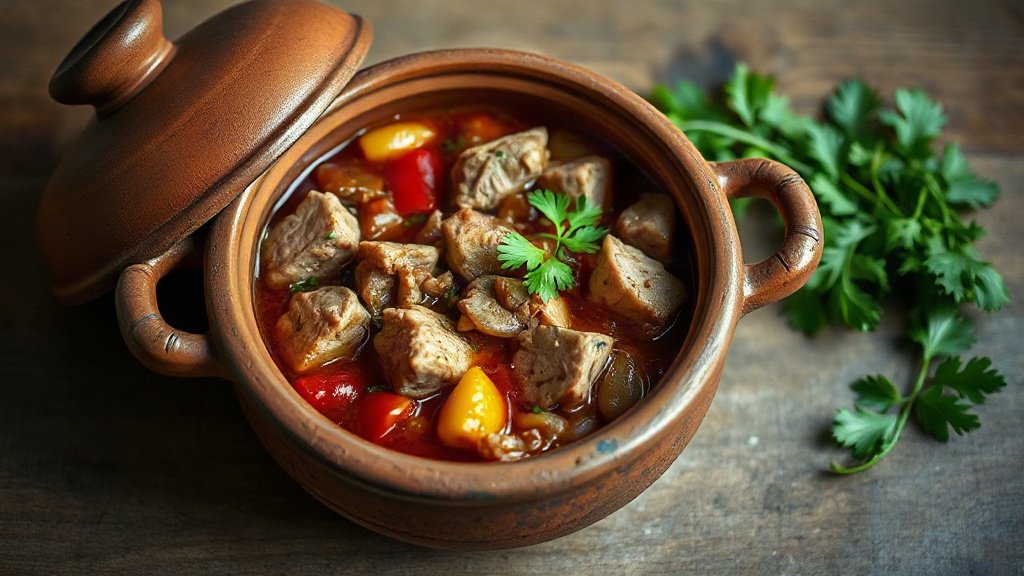
Illustration: AI-generated image
Kavarma is a dish that embodies the soul of Bulgarian home cooking: simple ingredients, slow simmered, and served with pride. It is a rich, aromatic stew of meat and vegetables, traditionally cooked and presented in a distinctive clay pot. Whether you encounter it in a rustic mehana or a family kitchen, kavarma is comfort food at its finest, especially popular during the cooler months.
What Is Kavarma?
Kavarma is a hearty savoury dish that sits somewhere between a stew and a braise. The name comes from the Turkish word kavurma, meaning roasted or fried meat, reflecting the technique of browning the meat before slow cooking. While recipes vary by region and family, the dish typically features chunks of pork, chicken, or sometimes lamb, cooked with onions, peppers, and tomatoes, then finished in a traditional clay pot called a gyuveche (small earthenware dish) or a larger pot. Though its exact origins are debated, kavarma has been part of Bulgarian culinary tradition for centuries, with written mentions dating back to the Ottoman period.
Typical Ingredients
Every cook has their own version, but common ingredients include:
- Pork or chicken, cut into bite-sized pieces
- Onions and garlic
- Roasted or fresh red peppers
- Tomatoes or tomato paste
- White or red wine
- Savory (chubritsa), paprika, and black pepper
- Optional additions: mushrooms, carrots, or hot peppers for a spicy kick
How It's Cooked and Served
The key to kavarma is the slow cooking process. The meat is usually browned first in a pan to seal in the flavour, then combined with the vegetables and seasonings in the clay pot. The pot is baked in the oven, allowing the ingredients to meld into a thick, aromatic sauce. The clay pot not only retains heat but also imparts a subtle earthy note. Kavarma is traditionally brought to the table still bubbling in the same pot, often with a sprinkle of fresh parsley.
It is typically eaten with a side of crusty bread for soaking up the sauce, and sometimes accompanied by a simple Shopska salad. A glass of Bulgarian red wine or a shot of rakia completes the meal.
Regional Variations
Kavarma is found throughout Bulgaria, but some regions have their own signature twists. In the Rhodope Mountains, it might include potatoes or wild mushrooms. Along the Black Sea coast, fish kavarma made with mackerel or other local catch is popular. The town of Elena is known for Elenski kavarma, which uses dry-cured ham and leeks. No matter where you try it, the essence remains the same: tender meat in a deeply savoury sauce. Vegetarian versions with mushrooms or beans are also becoming common.
Enjoy It Like a Local
Kavarma is a dish best enjoyed in a cosy mehana on a cool evening, or at a family gathering on a Sunday. It's comfort food that brings people together. If you're making it at home, don't rush the cooking time; the longer it simmers, the better the flavour. And don't be afraid to experiment with your own favourite vegetables or herbs – Bulgarian cuisine is famously generous.