How to Use a Bulgarian Maze: A Guide to Winter Food Storage in Your Cellar
From jars of lyutenitsa to strings of dried peppers, the Bulgarian maze (cellar) is the heart of home food preservation. Here's how to make the most of yours.
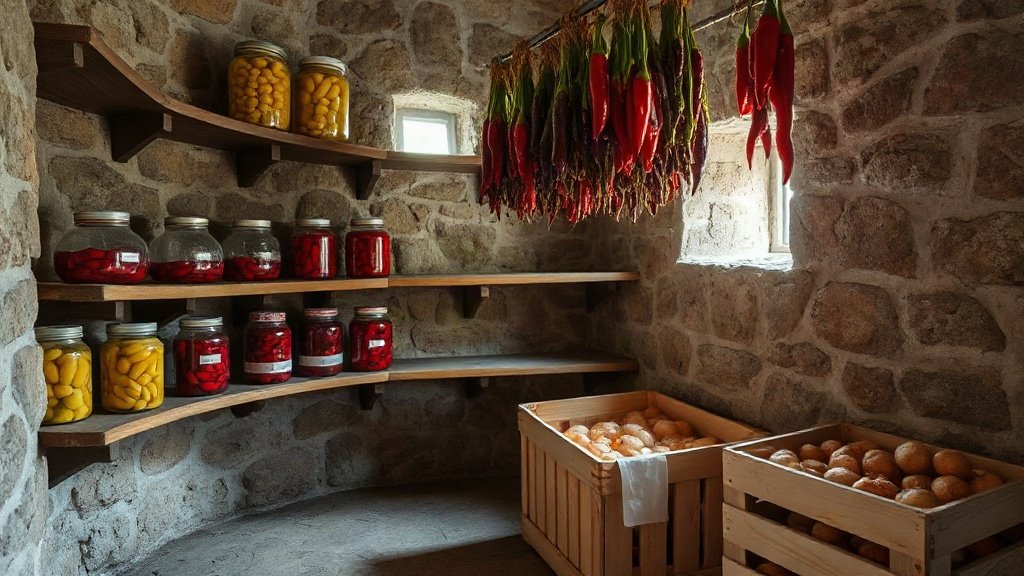
Illustration: AI-generated image
If you live in a house in Bulgaria, you have probably noticed a small, often windowless room under the ground floor or a separate outbuilding. This is the maze (мазе) – the cellar. For generations, it has been the unsung hero of Bulgarian households, keeping food fresh through winter and storing the jars of summer's bounty. Even in modern apartments, many Bulgarians rely on a balcony or a cool cupboard to mimic its function. Here's how to use yours like a local.
What Goes into a Maze?
The maze is not just a storage space; it is a carefully managed environment. Traditionally, it holds:
- Jars of preserves: lyutenitsa, pickles (turshiya), roasted peppers, and fruit compotes, all made in late summer and autumn.
- Root vegetables: potatoes, carrots, beetroot, and onions are kept in wooden crates or hessian sacks to prevent sprouting and rotting.
- Dried goods: strings of dried red peppers (chushki), bundles of herbs like savoury (chubritsa) and mint, and garlic braids hang from the ceiling or beams.
- Homemade wine and rakia: large glass demijohns (damadzhani) or barrels line the walls, slowly maturing in the cool darkness.
- Winter vegetables: cabbages for sarma are stacked in trays, often covered with a cloth, while celery and leeks are buried in boxes of sand to stay crisp.
Why the Maze Works
The key to the maze is its stable microclimate. Underground or semi-underground construction keeps temperatures between 5 and 12 °C in winter, with high humidity that prevents shrivelling but not so high that mould thrives. In summer, it stays cool, offering a natural fridge for drinks and perishables. Bulgarians know to monitor conditions: a few ventilation openings (usually small windows covered with mesh) maintain air flow, while a dirt floor helps regulate moisture.
Making the Most of Your Maze
If you are lucky enough to have a maze, follow these local practices:
- Clean and air it before autumn storage. Remove old produce, sweep the floor, and leave the door open on a dry day to refresh the air.
- Separate produce to avoid cross-contamination. Keep apples away from potatoes, as ethylene gas from apples can cause potatoes to sprout. Onions should not be stored near potatoes either, as they release moisture that encourages rot.
- Use shelving and crates. Jars go on sturdy wooden or metal shelves, root vegetables in ventilated crates or net bags, and drinks on the floor where it is coolest.
- Label your jars with the contents and month. This small habit saves guesswork in March when everything looks alike.
- Check regularly. Every few weeks, inspect jars for bulging lids or mould, remove any spoiled vegetables, and ensure that rodents or insects have not found a way in.
No Maze? No Problem
Apartment dwellers can still preserve Bulgarian-style by using a north-facing balcony (covered and insulated against frost), a cool stairwell cupboard, or even a refrigerator set to a higher temperature for jars. The key is to keep things dark, cool, and dry. Many families also rotate small batches, storing just a few jars in the kitchen and replenishing from relatives' mazes in the countryside.
A Living Tradition
The maze is more than a room; it is a symbol of self-sufficiency and hospitality. When guests arrive, the host descends to fetch a jar of homemade lyutenitsa or a bottle of rakia, proudly offering the fruits of the season. For newcomers, learning to use a maze connects you to the rhythm of Bulgarian life: planting in spring, preserving in summer, and enjoying in winter. With a little effort, your maze can become the most useful space in the house.