How to Make Bulgarian Lyutenitsa: A Rich Pepper and Tomato Relish
Discover the traditional method for making lyutenitsa, Bulgaria’s beloved roasted pepper and tomato relish, perfect for spreading, dipping and preserving.
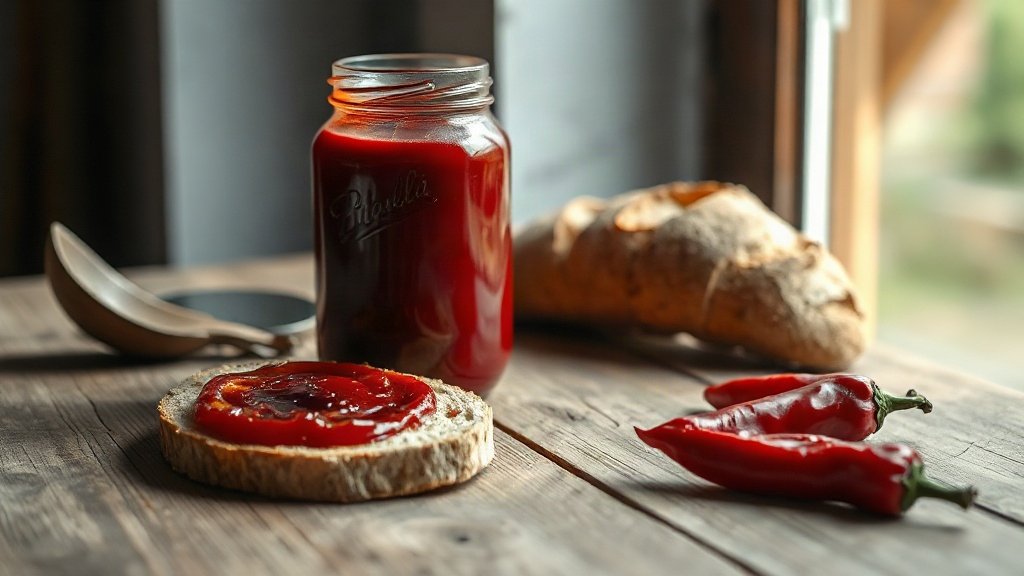
Illustration: AI-generated image
Lyutenitsa is one of Bulgaria’s most beloved pantry staples: a rich, savoury relish made from roasted peppers, tomatoes and aubergine, seasoned with garlic and sometimes chilli. Often compared to ajvar or pindjur from the wider Balkans, Bulgarian lyutenitsa has its own character—slightly sweeter, deeply smoky, and endlessly versatile. It is spread on bread, spooned over grilled meats, or stirred into stews. Making a batch at home in late summer or early autumn, when vegetables are at their peak, is a cherished tradition for many Bulgarian families.
What Makes Bulgarian Lyutenitsa Different?
While recipes vary from household to household, the foundation is always the same: ripe red peppers and tomatoes, roasted until the skins blister and the flesh softens. Aubergine adds body and a silky texture, while carrot contributes natural sweetness. Garlic gives it a warm punch, and sunflower oil—Bulgaria's cooking fat of choice—binds everything together. Salt and a little sugar balance the acidity of the tomatoes. Some cooks add a pinch of chilli flakes for heat, but the classic version is mild.
The name comes from the Bulgarian word “lyut,” meaning hot or spicy, though traditional lyutenitsa is not necessarily fiery. It is about depth of flavour rather than heat. The relish is usually cooked down slowly until thick enough to stand a spoon upright, then bottled and preserved for the winter months ahead.
How to Make Lyutenitsa at Home
Making lyutenitsa is a labour of love, but the result is well worth the effort. The process can be broken into three main stages: roasting, simmering, and jarring.
Roasting the vegetables: You will need roughly 5 kg of red peppers, 2 kg of ripe tomatoes, 2 medium aubergines, and 2–3 carrots. Roast the peppers and aubergines whole—ideally over a charcoal grill, under a grill, or in a very hot oven—until the skins are blackened and blistered. Place them in a covered pot to steam for 15 minutes, then peel away the skins and remove the seeds. Roast or simmer the tomatoes until soft, then pass them through a food mill to remove skins and seeds. Grate the carrots and set aside.
Simmering the mixture: In a large, heavy-bottomed pot, heat a generous splash of sunflower oil and gently cook the grated carrot until softened. Add the peeled peppers and aubergine, either finely chopped or passed through a mincer, along with the tomato purée. Season with salt, a spoonful of sugar, and minced garlic to taste. Bring everything to a gentle bubble, then reduce the heat and simmer uncovered, stirring often to prevent sticking. The lyutenitsa is ready when it is thick and glossy, with no watery liquid remaining—this can take two to three hours.
Jarring for storage: While the lyutenitsa is still very hot, spoon it into clean, warm glass jars. Seal tightly and turn the jars upside down for ten minutes to create a vacuum. Store in a cool, dark place. Once opened, keep refrigerated and consume within a couple of weeks.
How to Enjoy Lyutenitsa
Lyutenitsa is most commonly spread thickly on a slice of white bread or a crusty roll, often topped with a piece of white cheese. It is also served alongside grilled meats, kebapche, and sausages, or as a dip for vegetables. A spoonful can enrich a pot of bean soup or lentil stew, adding depth and a hint of smoke. Some families even spread it on a slice of banitsa for a savoury twist.
Whether you make a large batch to preserve or a small pot to enjoy right away, homemade lyutenitsa captures the taste of a Bulgarian late summer in a jar—rich, comforting, and made to be shared.