Bulgarian Ritual Breads: A Guide to Pita and Festive Loaves
Discover the artistry and symbolism behind Bulgarian ritual breads, from wedding pita to Christmas koledna pitka, and learn how they mark life's milestones.
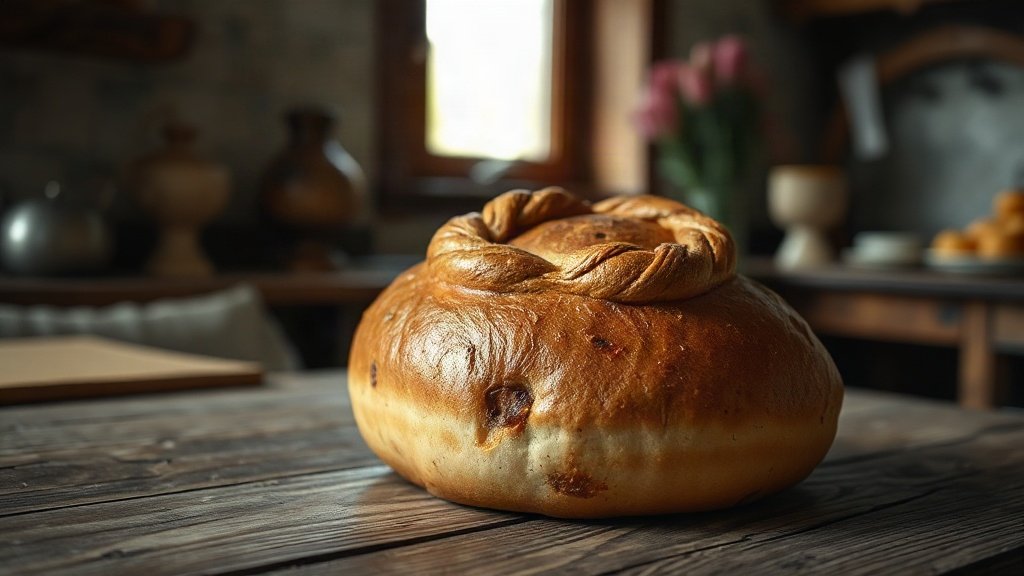
Illustration: AI-generated image
In Bulgaria, bread is far more than a staple—it is a symbol of life, fertility and community. Ritual breads, known as pita or pitka, play a central role in holidays and family milestones, each decorated with meaningful patterns and shared according to time-honoured customs. Whether you're curious about the traditions or want to try baking one yourself, this guide offers a glimpse into a cherished part of Bulgarian food culture.
A Bread for Every Occasion
Bulgarian ritual breads appear at nearly every significant life event. At weddings, the bride and groom break a large round pita together; whoever gets the larger piece is said to be the head of the household. On Christmas Eve, families bake a special bread called koledna pitka, often containing a hidden coin for luck and a piece of dogwood bud for health. For a baby's first birthday, a small pita is placed on the floor, and the child is encouraged to take a bite—the first bite symbolises the start of a good life. Even housewarmings and name days call for a decorated loaf, and no major celebration feels complete without one.
Symbolism in the Dough
The decorations on ritual breads are never random. Common motifs include grapes and wheat ears for fertility, suns and spirals for the cycle of life, and birds for good news. Many breads are shaped as circles to represent the sun and eternity. Bakers often use simple tools—a fork, a comb, or their fingers—to create intricate patterns in the dough before baking. In some regions, the bread is brushed with honey or sprinkled with sesame seeds for added meaning. The act of making the bread is often accompanied by songs, prayers or wishes for the person or event being honoured.
Traditions to Try at Home
While the most elaborate breads are reserved for special occasions, home bakers can recreate a simple version. Use a basic white dough enriched with oil and milk for a softer crumb. After the first rise, shape the dough into a round, then decorate the top with twisted ropes or pressed patterns. Before baking, brush with egg wash for a golden crust. Serve the bread as a centrepiece at your next family gathering, and share it with loved ones as tradition dictates. You don't need to be an expert baker to capture the spirit of the occasion—just the willingness to create something beautiful and meaningful.
Whatever the occasion, Bulgarian ritual breads remind us that food can be a language of love and continuity. By learning about these traditions, we connect with a culture that has honoured bread for centuries, turning simple flour and water into a symbol of togetherness and hope.