A Guide to Orthodox Fasting in Bulgaria: How to Eat, Pray and Participate
Bulgaria's Orthodox Christian tradition includes several fasting periods throughout the year. Here's what to expect, what you can eat, and how to take part respectfully.
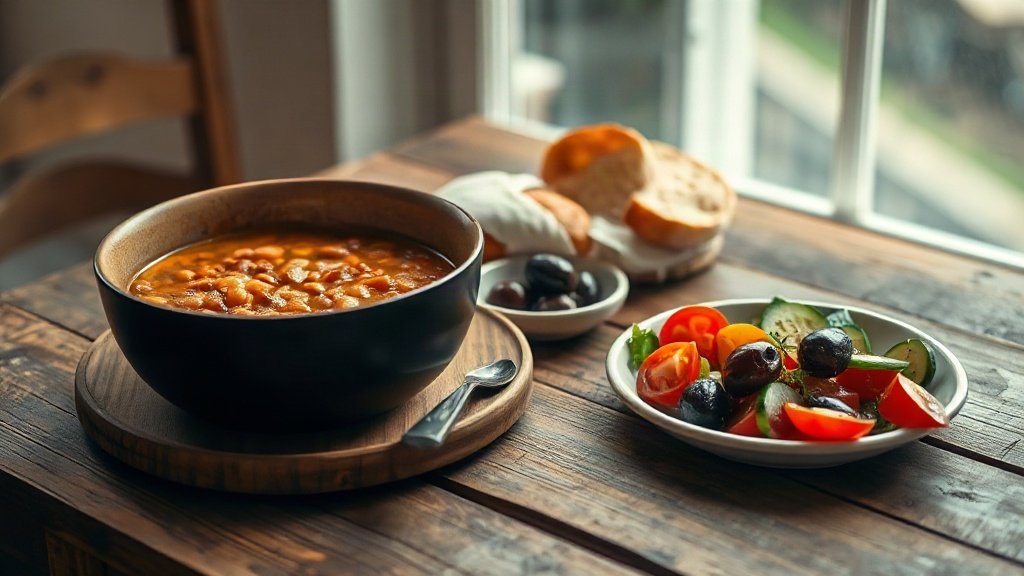
Illustration: AI-generated image
For many Bulgarians, the rhythm of the year is marked not only by seasons and holidays but also by periods of fasting. Rooted in the Orthodox Christian calendar, these fasts are times of spiritual reflection and dietary discipline. If you live in Bulgaria or spend extended time here, understanding the basics will help you navigate shops, restaurants and social invitations with confidence.
When do Bulgarians fast?
The Orthodox Church prescribes four main fasting periods each year, plus most Wednesdays and Fridays. The most significant is Great Lent, the 40 days before Easter, which in Bulgaria begins on Clean Monday and ends on Holy Saturday. It is followed by the Apostles' Fast, which starts on the Monday after All Saints' Sunday and lasts until 29 June. The Dormition Fast runs from 1 to 14 August, leading up to the feast of the Dormition of the Mother of God. Finally, the Nativity Fast (also called Philip's Fast) begins on 15 November and ends on 24 December, preparing for Christmas.
What are the fasting rules?
The traditional fasting rule is essentially vegan: no meat, dairy, eggs or fish with a backbone. Shellfish such as mussels and squid are allowed, as are honey and all plant-based foods. On certain feast days within a fast, fish, wine and oil may be permitted. However, in practice many Bulgarians observe a less strict version, perhaps avoiding only meat or dairy, or fasting only on specific days. It is perfectly acceptable to ask your host what level of fasting they keep if you are invited for a meal.
Typical fasting foods in Bulgaria
Bulgarian cuisine is well suited to fasting, with a rich tradition of lenten dishes. You will often find the following on tables during fast periods:
- Bean soup (bob chorba) – a hearty staple, usually made with white beans, vegetables and herbs.
- Lenten stews and casseroles – such as gyuvech without meat, or stewed potatoes and spinach.
- Stuffed vegetables – peppers, aubergines or vine leaves filled with rice, onions and herbs.
- Tarator – the cold cucumber and yoghurt soup is a summer favourite, but during fasts it is often made with water and walnuts instead of yoghurt.
- Halva – a sweet made from sesame or sunflower seed paste, widely sold and enjoyed as a dessert during fasts.
- Fresh bread, olives, roasted peppers, and seasonal fruit – simple accompaniments that round out a fasting meal.
Many bakeries and restaurants mark fasting items on their menus, often with a label such as postno (fasting) or a small leaf symbol. Supermarkets also stock dedicated fasting sections, especially before Easter and Christmas.
How to participate respectfully
If you are not Orthodox, you are under no obligation to fast, but being aware of the custom shows respect. When invited to someone's home during a fast, it is polite to ask if the meal will be fasting. If you are hosting Bulgarian guests who are fasting, do not be offended if they decline certain dishes; simply offer a vegetable or legume-based alternative. Eating out, you can easily find fasting options, and staff are usually happy to point them out.
Fasting in Bulgaria is not about deprivation but about simplicity, mindfulness and community. Whether you choose to join in fully, partially or simply observe, understanding this tradition will deepen your connection to daily life here.