Veliko Tarnovo: A Guide to Bulgaria's Medieval Capital
Perched on dramatic hills above the Yantra River, Veliko Tarnovo is a must-visit for history lovers, with its mighty Tsarevets Fortress and charming old town.
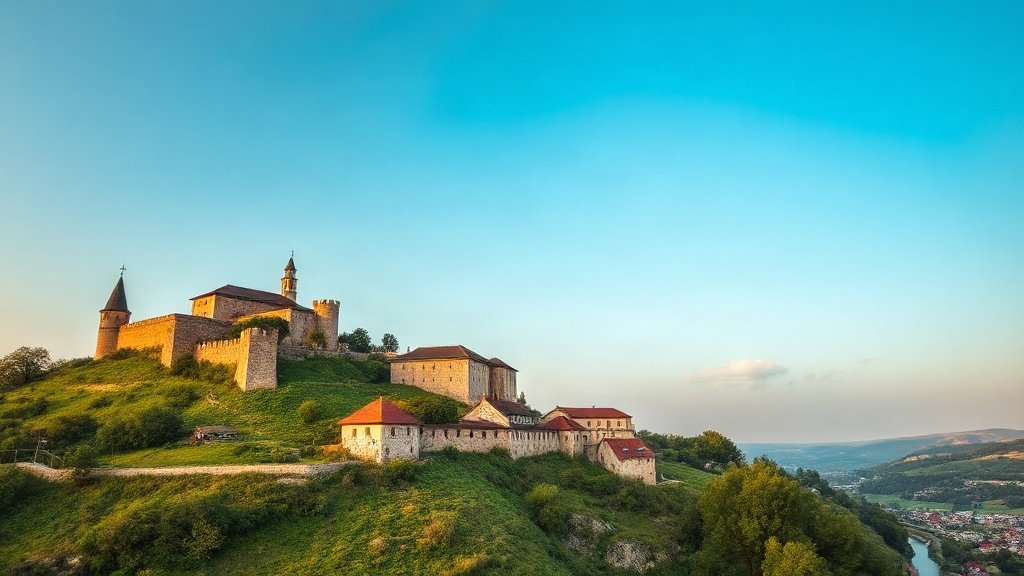
Illustration: AI-generated image
Veliko Tarnovo, often called the City of the Tsars, sits in north central Bulgaria on the winding Yantra River. As the capital of the Second Bulgarian Empire from the 12th to the 14th century, it was a centre of political, cultural, and religious life. Today, its layered history, striking architecture, and scenic viewpoints make it one of Bulgaria's most captivating destinations.
Tsarevets Fortress: The Heart of the Medieval Capital
The Tsarevets Fortress dominates the skyline, perched on a hill surrounded on three sides by the river. Built on earlier Byzantine and Thracian foundations, it served as the royal residence and administrative hub of the empire. Visitors enter through a grand stone gate and follow winding paths past the remains of palaces, churches, and over 400 houses that once housed the nobility.
The fortress's most iconic structure is the Patriarchal Church of the Holy Ascension, rebuilt in the 1980s with modernist frescoes that divide opinion but are undeniably striking. From the top of the hill, the panoramic views over the city and the river gorge are spectacular. A sound and light show illuminates the fortress on certain evenings, telling the story of Bulgaria's medieval glory through music and lasers.
Exploring the Old Town and Samovodska Charshiya
Below Tsarevets, the old town of Veliko Tarnovo is a maze of steep cobbled lanes lined with 19th-century Revival houses. Many of these houses, with their overhanging upper floors and ornate woodwork, now serve as museums, galleries, or guesthouses. The Samovodska Charshiya, or crafts street, preserves the atmosphere of an Ottoman-era bazaar, with workshops where artisans still practise pottery, weaving, and woodcarving.
Cross the river via the Stambolov Bridge to reach the Asenova Quarter, home to the historic Church of the Forty Martyrs, a significant medieval church with Bulgarian and Ottoman inscriptions. The nearby Baldwin's Tower, part of the fortress walls, offers another excellent vantage point.
Practical Tips for Visiting
- Getting there: Veliko Tarnovo is well connected by bus and train from Sofia, Plovdiv, and other major cities. The journey from Sofia takes around three hours by road.
- Getting around: The city is best explored on foot, but be prepared for steep hills and uneven cobbles. Comfortable shoes are essential.
- What to combine: The village of Arbanasi, just 4 km away, is known for its fortified churches and National Revival architecture. It makes an easy half-day trip.
- When to visit: Spring and autumn offer pleasant weather for walking. Summer can be hot, while winter brings a quieter, atmospheric charm.
Whether you climb the fortress walls, wander the craft street, or simply soak in the river views from a hillside terrace, Veliko Tarnovo offers a deep connection to Bulgaria's medieval past and enduring cultural spirit.