Thracian Valley Wine Route: A Guide to Bulgaria's Premier Wine Region
Discover the rolling hills and ancient vineyards of Bulgaria's Thracian Valley, home to the bold Mavrud grape and a winemaking tradition that stretches back millennia.
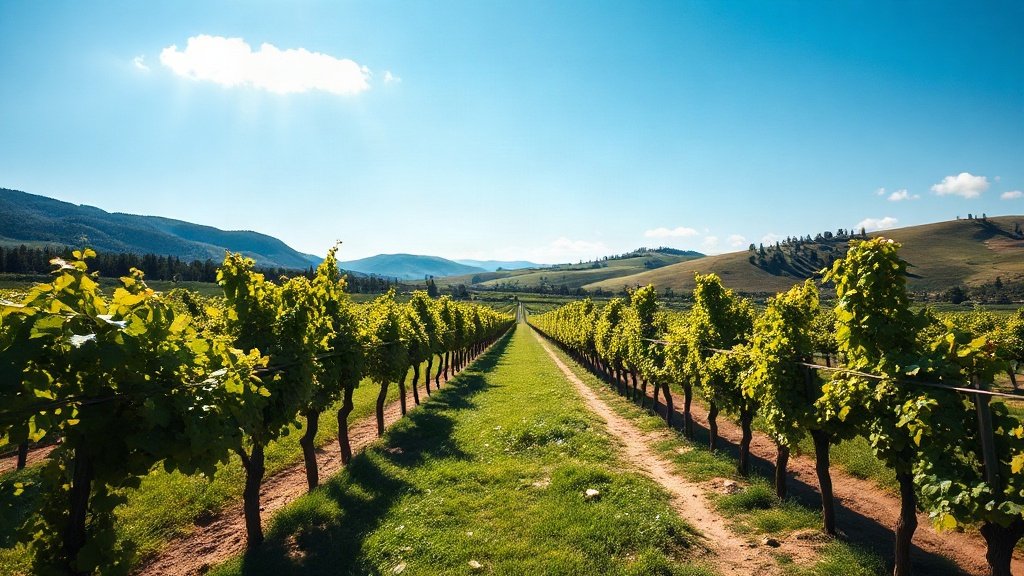
Illustration: AI-generated image
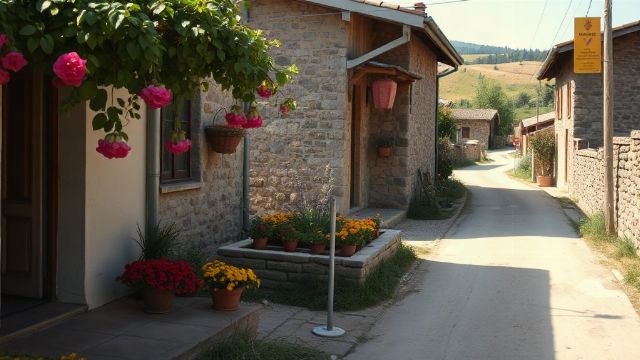
The Thracian Valley, stretching across south-central Bulgaria, is the country's most celebrated wine region. With a winemaking heritage that dates back to the ancient Thracians, this sun-drenched landscape of gentle hills and river valleys produces some of Bulgaria's most distinctive reds and increasingly refined whites. For travellers who enjoy a glass of something local, a self-guided tour along the Thracian Valley wine route is a rewarding way to see rural Bulgaria and taste its liquid history.
The Terroir and Signature Grapes
The valley benefits from a continental climate with Mediterranean influences, long sunny summers, and cool nights that help grapes retain acidity. Soils vary from clay-limestone to sandy loam, creating ideal conditions for both indigenous and international varieties. The region's undisputed star is Mavrud, a thick-skinned red grape that produces deeply coloured, tannic wines with notes of dark berries, spice, and earth. Mavrud is rarely found outside Bulgaria, making it a must-try for any wine enthusiast. Other local reds include Rubin, a cross between Syrah and Nebbiolo, and Pamid, a lighter, easy-drinking option. For whites, the valley produces excellent Chardonnay, Sauvignon Blanc, and the aromatic local Misket, as well as Dimyat, often used for fresh, floral wines.
Exploring the Wine Route
The Thracian Valley is easily accessible from the city of Plovdiv, which makes an excellent base with its rich history and vibrant food scene. From Plovdiv, country roads wind through vineyards and small villages where many wineries have opened their doors to visitors. While some large producers offer regular tours and tastings, a growing number of family-run estates welcome guests by appointment, providing a more intimate look at winemaking. A typical visit might include a walk through the vines, a peek into the cellar, and a guided tasting of four to six wines paired with local cheeses and bread. Most wineries operate in Bulgarian, but English is widely spoken among younger staff and in tourist-oriented establishments.
What to Taste and Pair
When tasting in the Thracian Valley, pay special attention to aged Mavrud, which develops complex layers of leather, tobacco, and dried fruit. Rubin offers a softer, fruit-forward alternative, while rosés made from local red grapes have gained popularity for summer drinking. White wines from the region tend to be fuller-bodied, with ripe fruit and a touch of oak. To eat like a local, pair reds with grilled meats, slow-cooked stews, or aged Bulgarian cheese. A classic combination is Mavrud with kavarma, a rich pork and vegetable casserole. For whites, try them with freshwater fish from the Maritsa River or a simple shopska salad, the refreshing mix of tomatoes, cucumbers, peppers, and grated sirene cheese.
Practical Tips for Your Visit
The best time to tour the Thracian Valley is from late spring to early autumn, with September and October offering the added spectacle of the grape harvest. Vineyards turn golden and the air smells of fermenting fruit as wineries buzz with activity. For getting around, a rental car is essential, as public transport between villages is limited. Many wineries are signposted from main roads, but it is wise to arrange visits in advance, especially for smaller estates. Tastings are generally relaxed and unhurried, with no pressure to buy, though bottles are often available at cellar-door prices. If you plan to drink, designate a driver or join an organised wine tour from Plovdiv. Bulgaria has a zero-tolerance policy for drink-driving, so plan accordingly.