Turshiya: Bulgaria's Tangy Mixed Vegetable Pickles You Should Try
Turshiya is Bulgaria's traditional mix of pickled vegetables, often enjoyed as a tangy meze or side dish throughout the colder months.
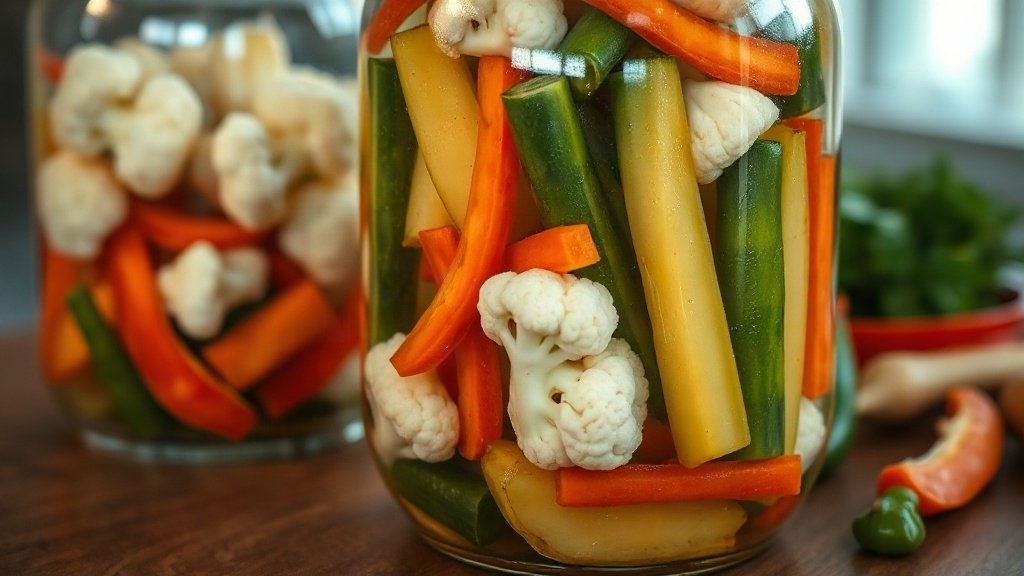
Illustration: AI-generated image
Turshiya is Bulgaria's answer to the mixed pickle jar: a colourful, crunchy and tangy combination of vegetables preserved in brine. The name comes from the Turkish word "turşu," meaning pickle, reflecting a shared culinary heritage across the Balkans. While every household has its own recipe, the result is always a versatile condiment that brings brightness to rich winter dishes.
What Is Turshiya?
Unlike single-vegetable pickles, turshiya typically combines several vegetables in one jar. The most common ingredients are cauliflower, carrots, green tomatoes, celery, and red peppers, though cabbage, cucumbers, and small onions also appear. The vegetables are cut into bite-sized pieces and packed tightly, then covered with a brine of water, salt, and sometimes vinegar. Some families add a little sugar or a few peppercorns, but the classic version relies on natural fermentation for its tang.
How Is It Made?
Making turshiya is straightforward, but patience is key. First, the vegetables are washed and chopped, then layered in large jars or a traditional wooden barrel. A brine is prepared by dissolving salt in water, often with a splash of vinegar to kick-start preservation. The brine is poured over the vegetables, which must be fully submerged. The jar is sealed and left in a cool, dark place for at least a few weeks. During this time, naturally occurring bacteria ferment the sugars, creating lactic acid that gives turshiya its characteristic sourness. The longer it ferments, the tangier it becomes.
Common Vegetables and Regional Variations
While the core mix is fairly standard, regional preferences add variety. In some areas, green beans or small green tomatoes dominate; in others, sliced red peppers or even whole small peppers are used. Some recipes include a few sprigs of dill or a bay leaf for aroma. The brine can also be adjusted: a higher vinegar content yields a sharper, more shelf-stable pickle, while a lower vinegar approach relies on fermentation and stays milder.
How to Enjoy Turshiya
Turshiya is a true multitasker. It is commonly served as part of a meze platter, alongside rakia or wine, because its acidity cuts through rich flavours. It pairs beautifully with grilled meats like kebapche or kyufte, and it is a classic side for hearty winter stews such as bean soup or cabbage dishes. Many Bulgarians also enjoy a small bowl of turshiya with a simple meal of bread and cheese. The leftover brine is sometimes sipped as a digestive or used in salad dressings.
A Winter Staple
Because turshiya is made in late autumn and keeps for months, it has long been a way for Bulgarian households to enjoy vegetables through the winter. Even today, with fresh produce available year-round, the tradition endures. A jar of homemade turshiya is a common gift between neighbours and family, and no festive table feels complete without a bowl of its colourful, tangy crunch.