The Nosia: Bulgaria's Traditional Costume and Its Regional Variations
Discover the nosia, Bulgaria's richly decorated folk costume, and learn how its embroidery, colours and shapes vary from region to region.
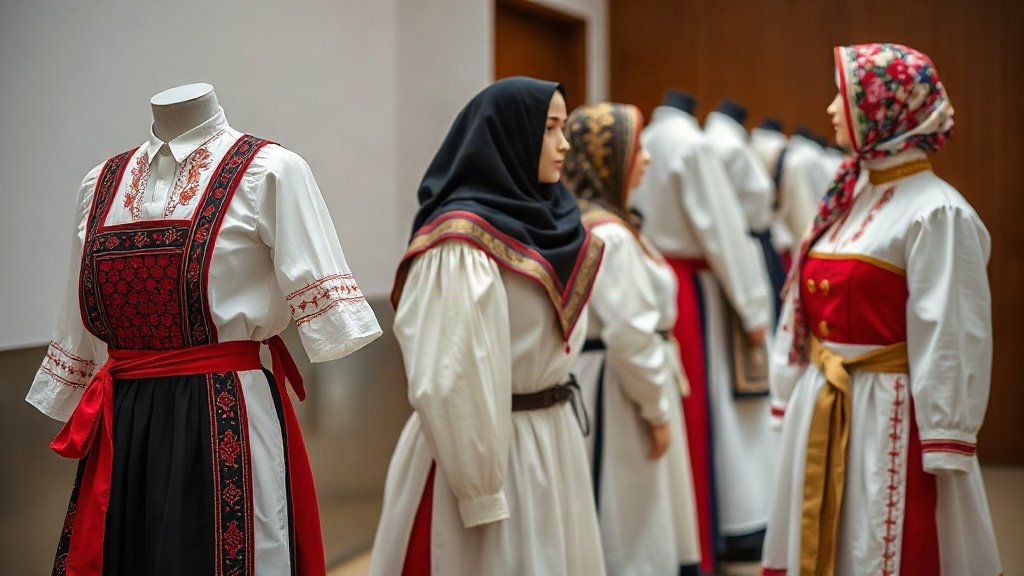
Illustration: AI-generated image
Across Bulgaria, the nosia – the traditional folk costume – remains one of the most striking expressions of local identity. Worn at festivals, weddings and folk dance performances, it is far more than a piece of clothing: it is a visual language of community, marital status and regional pride.
What is a Nosia?
A complete nosia is made up of several key elements, each with its own name and purpose. For women, the basic layers include the riza, a long cotton or linen shirt often embroidered at the neck and cuffs; the prestilka, a decorative apron worn over the skirt; and a sukman or fustan, a sleeveless overdress that varies in colour and cut. A woven sash called a poas cinches the waist, while married women traditionally cover their hair with a zabradka, a headscarf often trimmed with coins or beads. Men's costume typically includes a white shirt, dark trousers or breeches, a wide woollen belt and a felt cap or fur hat.
Regional Variations
Bulgaria's mountainous geography has produced dozens of distinct costume styles, often differing from one valley to the next. In the fertile Thracian lowlands, women's sukman is often bright red or orange, heavily embroidered with floral motifs. The Rhodope Mountains feature more subdued, earthy tones with geometric patterns, reflecting the region's cooler climate and pastoral traditions. In northern Bulgaria, the dvuprestilchena nosia features two aprons – one at the front and one at the back – richly decorated and creating a full, layered silhouette. The Shop region around Sofia is known for its vibrant combinations of black, red and white, with intricate beadwork on belts and headpieces.
Symbolism and Craftsmanship
Every element of the nosia carries meaning. Red embroidery is traditionally believed to protect the wearer from evil spirits and illness, while white symbolises purity and new beginnings. Geometric motifs such as the rhombus, cross and spiral often represent fertility, the sun or family lineage. The most elaborate costumes, once worn by brides or for major holidays, could take months to prepare and were passed down through generations. Today, skilled artisans continue to weave, embroider and sew nosii by hand, preserving techniques that have remained largely unchanged for centuries.
When the Nosia is Worn
Although everyday use of the nosia declined during the 20th century, the costume remains a powerful symbol of Bulgarian heritage. It is worn with pride at national folklore festivals, village gatherings called sabori, and traditional weddings. Many Bulgarians still own a nosia – either inherited from grandparents or made to order – and folk dance ensembles across the country perform in authentic regional dress, keeping the tradition alive for new audiences.
Preserving the Tradition
Museums such as the Ethnographic Museum in Sofia and open-air heritage sites like Etar and Koprivshtitsa display extensive collections of nosii, allowing visitors to see the intricate detail up close. Community groups and cultural centres also organise workshops where younger generations can learn embroidery, weaving and costume making. Thanks to these efforts, the nosia continues to evolve as a living tradition rather than a static relic of the past.