How to Make Bulgarian Sarma: Stuffed Cabbage and Vine Leaves
Learn how to prepare Bulgaria's beloved sarma—tender cabbage or vine leaves wrapped around a savoury filling of rice and minced meat, simmered slowly for a comforting dish that brings families together.
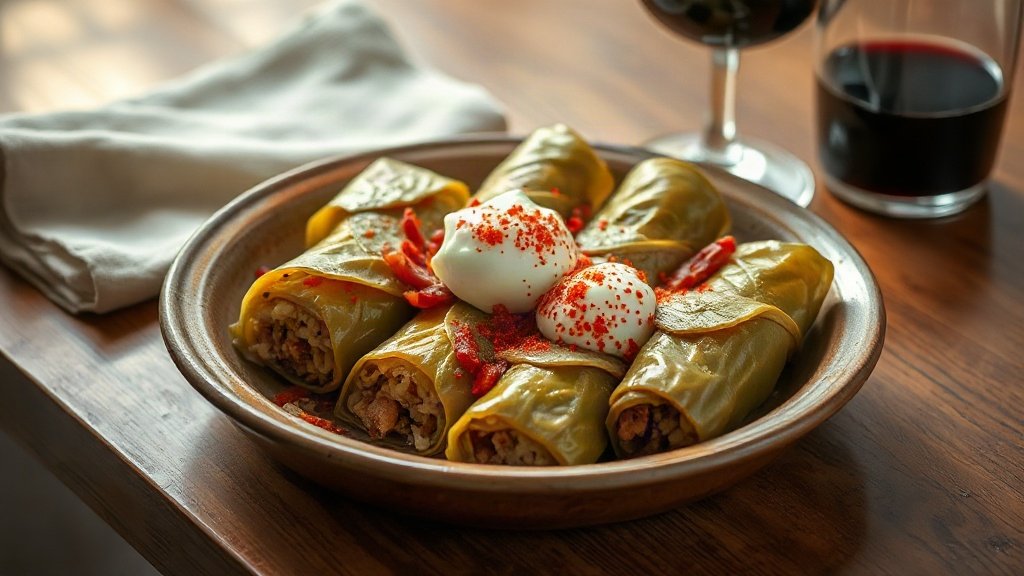
Illustration: AI-generated image
Sarma is one of Bulgaria's most cherished dishes, a true emblem of home cooking. The name comes from the Turkish word sarmak, meaning "to wrap," and that is exactly what this dish is: a filling of rice, minced meat, and aromatic spices wrapped in cabbage or vine leaves. While sarma is often associated with winter holidays and family gatherings, it is enjoyed year-round and varies from region to region.
Making sarma at home is a rewarding process that fills the kitchen with the comforting aroma of slow-cooked cabbage and herbs. It may seem labour-intensive, but with a little practice, rolling the parcels becomes a relaxing ritual. Below is a straightforward guide to preparing classic Bulgarian sarma, suitable for cooks of all levels.
Ingredients
For about 30–40 sarma, you will need:
- 1 large head of sauerkraut (fermented cabbage) or 1 fresh cabbage, plus extra cabbage leaves for lining the pot
- 500 g minced meat (a mix of pork and beef is traditional, but you can use only pork or omit meat for a vegetarian version)
- 1 cup short-grain rice, rinsed
- 1 large onion, finely chopped
- 1 carrot, grated (optional)
- 2–3 tablespoons sunflower oil or melted lard
- 1 teaspoon sweet paprika
- 1 teaspoon dried savory (chubritsa)
- 1 teaspoon dried mint or parsley
- Salt and black pepper to taste
- For cooking: water or vegetable/meat stock, a few bay leaves, and a little more paprika and oil
If you prefer vine leaf sarma, you will need about 40–50 fresh or preserved vine leaves. Fresh leaves should be blanched before use; preserved leaves need a rinse to remove excess salt.
Preparing the Leaves
If using sauerkraut, separate the leaves carefully and rinse them if they are too salty. If using fresh cabbage, remove the core and blanch the whole head in boiling salted water for a few minutes until the outer leaves soften and can be peeled off one by one. Continue blanching as needed until you have enough leaves. Trim the thick central vein from each leaf to make rolling easier.
Making the Filling
Heat the oil in a large pan and sauté the onion and carrot until soft. Add the rice and stir for a minute, then add the minced meat and cook until it loses its raw colour. Season with paprika, savory, mint, salt, and pepper, and mix well. Allow the filling to cool slightly before rolling.
Rolling the Sarma
Place a cabbage leaf on a flat surface with the shiny side down and the stem end facing you. Spoon a small amount of filling near the base of the leaf. Fold the bottom over the filling, then fold in the sides, and roll tightly away from you to form a compact parcel. The sarma should be firm but not overstuffed, as the rice will expand during cooking.
Line the bottom of a heavy pot with a few whole cabbage leaves to prevent sticking. Arrange the sarma in the pot in concentric circles, seam side down, packing them snugly. Place a few bay leaves between the layers.
Cooking
Pour in enough water or stock to just cover the sarma. Drizzle a little oil and sprinkle a pinch of paprika on top. Place a heatproof plate or an extra cabbage leaf over the sarma to keep them submerged. Bring to a gentle boil, then reduce the heat to low, cover, and simmer for about 1.5 to 2 hours, until the cabbage is tender and the rice is fully cooked. Add more liquid if needed during cooking.
Serving
Traditionally, sarma is served hot, with a dollop of thick yogurt on the side or a spoonful of yogurt mixed with crushed garlic. It is often accompanied by fresh bread and a simple salad. Leftovers taste even better the next day, as the flavours deepen.
Variations
Sarma is endlessly adaptable. Vegetarian versions replace the meat with extra rice, mushrooms, or lentils. Some cooks add a little tomato purée to the cooking liquid for a richer colour. In summer, vine leaf sarma is lighter and may be served cold with lemon wedges. Whatever your preference, sarma is a dish that rewards patience and invites sharing.