Plovdiv: A Key Business Hub in Central Bulgaria
Plovdiv, Bulgaria's second-largest city, offers a strategic location, skilled workforce and diverse economic base for companies looking to expand in the Balkans.
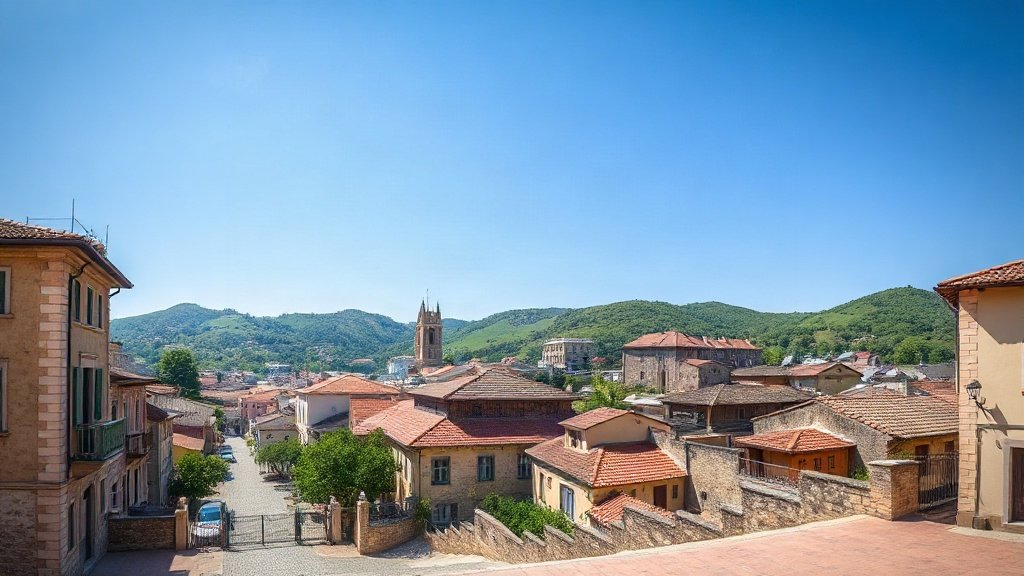
Illustration: AI-generated image
Plovdiv, the second-largest city in Bulgaria, has emerged as a significant business destination in the heart of the country. Located on the banks of the Maritsa River in the fertile Thracian Plain, it combines a rich history with a modern, diversified economy. For companies considering expansion into the Balkans, Plovdiv offers a compelling mix of location, infrastructure and human capital.
Strategic Location and Connectivity
Plovdiv sits at a natural crossroads, roughly 150 kilometres southeast of Sofia and about 100 kilometres from the Greek and Turkish borders. The city is a major transport hub, connected to the national motorway network via the Trakia motorway, which links Sofia to Burgas on the Black Sea coast, and the Maritsa motorway, which leads towards the Kapitan Andreevo border crossing with Turkey. Plovdiv also has a well-developed railway station serving passenger and freight lines across Bulgaria and beyond.
Plovdiv Airport, located just outside the city, offers seasonal charter flights and cargo services, while Sofia Airport provides more extensive international connections within a two-hour drive. This accessibility makes Plovdiv an attractive base for logistics, distribution and manufacturing operations serving both domestic and regional markets.
A Diversified Economy
Plovdiv's economy is one of the most balanced in Bulgaria, with no single dominant sector. The region has a long tradition in manufacturing, particularly in food processing, textiles, machinery and electronics. In recent decades, the city has become a growing centre for the IT and business process outsourcing (BPO) industries, attracting both local startups and international companies seeking skilled, multilingual staff.
The surrounding area is known for its agricultural production, including vegetables, fruits and wine grapes, which supports a robust food and beverage industry. Plovdiv also hosts several industrial zones and business parks, offering ready-to-use facilities for light manufacturing, warehouses and offices. The city's annual International Technical Fair, one of the oldest in Southeast Europe, highlights its role as a meeting point for trade and innovation.
Skilled Workforce and Education
Plovdiv is home to several universities and technical colleges, ensuring a steady pipeline of graduates in engineering, IT, economics and other fields. The Plovdiv University "Paisii Hilendarski" and the Technical University of Sofia – Plovdiv Branch are among the key institutions. Many young professionals in Plovdiv are fluent in English, with a growing number also speaking German, French or other European languages, making the city appealing for companies with international operations.
Labour costs in Plovdiv are generally lower than in Sofia and other major European cities, while productivity levels remain competitive. The city's central location also allows employers to draw talent from a wide catchment area, including smaller towns in the region.
Quality of Life and Business Environment
Plovdiv offers a high quality of life at a relatively low cost, with a rich cultural scene, numerous parks and a lively restaurant and café culture. The city was named European Capital of Culture in 2019, which boosted tourism and infrastructure investment. Its well-preserved Old Town, Roman ruins and vibrant arts festivals make it an attractive place for employees and their families.
For businesses, Plovdiv provides a supportive environment with access to local government services, chambers of commerce and industry associations. The city has a growing number of coworking spaces and incubators that foster entrepreneurship and networking. While not as bustling as Sofia, Plovdiv offers a more relaxed pace without sacrificing business opportunities.
In summary, Plovdiv stands out as a practical choice for companies seeking a central location, a skilled and cost-effective workforce, and a diverse economic base in Bulgaria. Its combination of tradition and modernity makes it a place where business can thrive.