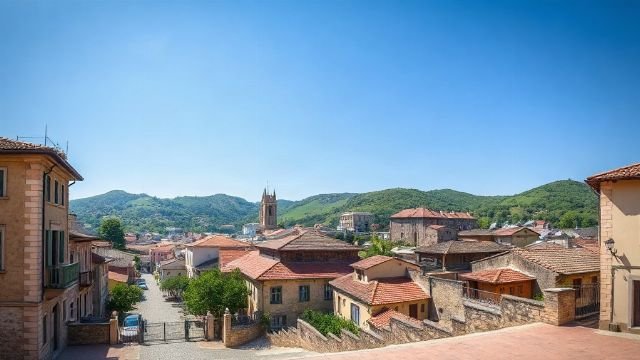
The Bulgarian Sabor: A Village Gathering of Music, Dance and Tradition
Discover the heart of Bulgarian community life at a sabor, where folk music, circle dances and home-cooked food bring villages alive in celebration.
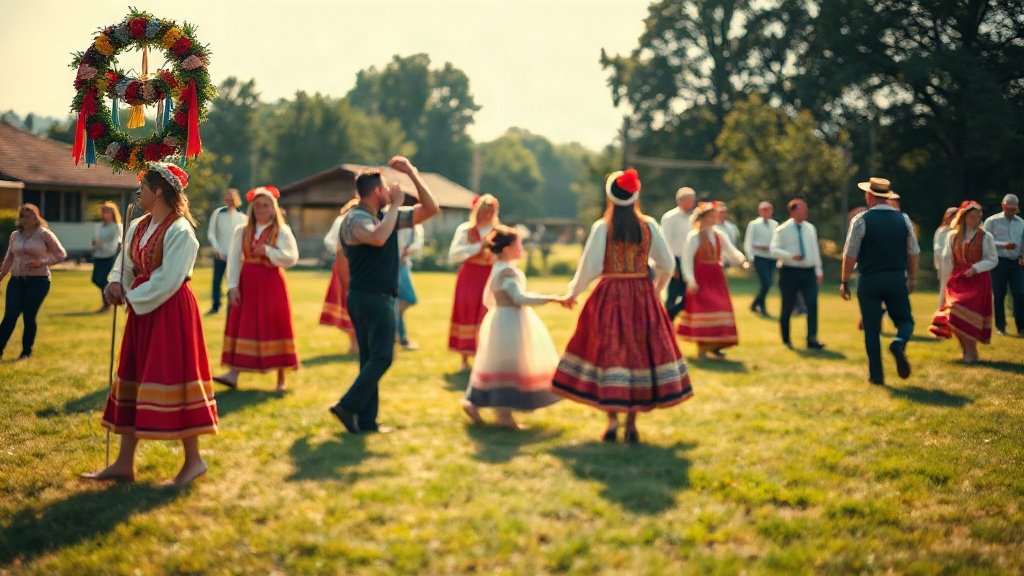
Illustration: AI-generated image
Across Bulgaria, when the weather warms and the days grow long, villages and small towns come alive with the sound of gaida bagpipes, kaval flutes and the steady beat of the tapan drum. This is the sabor — a traditional gathering that has been the beating heart of rural Bulgarian social life for centuries. Much more than a fair or a concert, the sabor is a living expression of community identity, where everyone is welcome to listen, dance, eat and celebrate together.
What is a sabor?
The word sabor (събор) roughly translates as “gathering” or “assembly”. Historically, these events were tied to the feast day of a village’s patron saint, when people from surrounding hamlets would come together after the morning church service to share food, music and news. Over time, the religious aspect has softened for many, but the communal spirit remains strong. Today, a sabor can range from a small neighbourhood get-together to a large regional festival lasting several days, often featuring performances by professional and amateur folk ensembles.
What to expect
At a typical sabor, you will find a central open space — usually the village square or a nearby meadow — filled with people of all ages. There is always music: live bands playing traditional Bulgarian folk tunes in irregular rhythms like 7/8 or 11/16, and often a DJ or sound system for modern chalga hits later in the evening. Around the edges, stalls sell grilled meats, kebapche, banitsa, local cheese, honey and handmade crafts. The highlight for many is the horo, the circle dance that everyone joins, linking hands and stepping in unison. No one is left out; even visitors are gently pulled in to learn the basic steps.
How to enjoy a sabor respectfully
If you are lucky enough to be invited or simply stumble upon a sabor, go with an open mind and a friendly smile. Dress comfortably and be prepared to join the horo if asked — it is a sign of respect and joy. Do not worry about getting the steps right; locals will happily guide you. Bring cash in small denominations for food and crafts, as many vendors are elderly and do not accept cards. Above all, take your time: sit on a bench, strike up a conversation, and savour the feeling of being part of a tradition that has changed little over generations.
Whether you are in the Rhodope Mountains, the Danube plain or the Strandzha forests, a sabor is one of the most authentic ways to experience Bulgarian culture. Keep an ear out for announcements or ask at the local community centre (chitalishte) to find one near you during the summer and early autumn months.