Tarator: Bulgaria's Cold Cucumber Soup and How to Enjoy It
Cool, creamy and garlicky, tarator is Bulgaria's favourite summer soup. Here's what goes into it and when locals eat it.
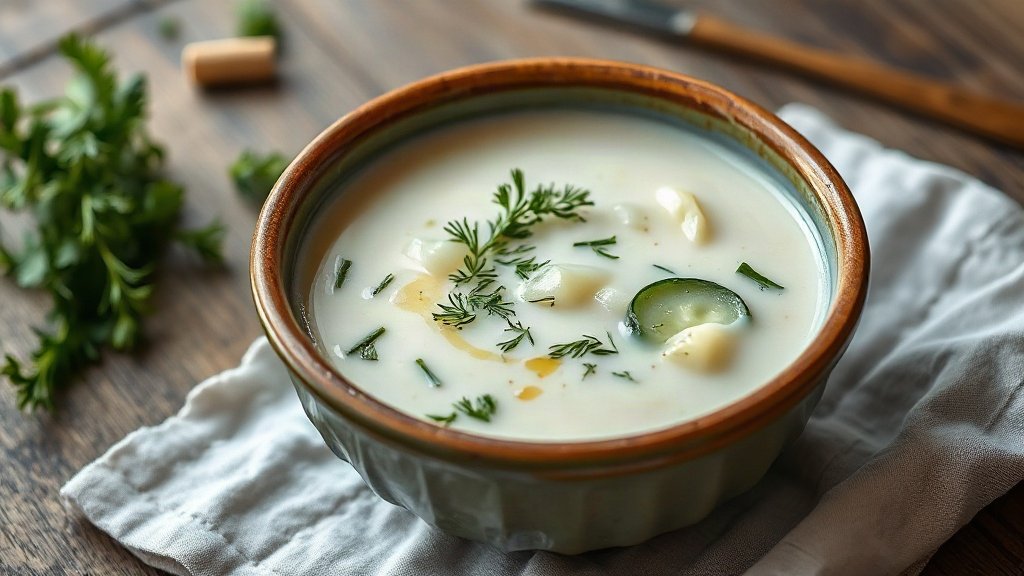
Illustration: AI-generated image
On a hot Bulgarian summer day, few things refresh like a bowl of tarator. This chilled soup, made from yogurt and cucumbers, is a staple of Bulgarian home cooking and a must-try for visitors. Learn what makes it special and how to enjoy it like a local.
What is tarator?
Tarator is a cold soup that has been part of Bulgarian cuisine for centuries. It is sometimes called "Bulgarian cucumber soup" because of its main vegetable. The consistency can vary from drinkable to spoonable, depending on how much water is added. It is typically served as a first course or alongside grilled meats, but many Bulgarians also enjoy it as a light meal on its own with bread.
The essential ingredients
The beauty of tarator lies in its simplicity. The basic ingredients are:
- Yogurt – thick, strained Bulgarian yogurt works best
- Cucumbers – grated or finely diced
- Garlic – crushed or minced, to taste
- Dill – fresh, chopped
- Walnuts – ground, for texture and flavour
- Oil – sunflower or olive oil
- Water – to thin the soup to the desired consistency
- Salt – to season
Some recipes also include a splash of vinegar or lemon juice for extra tang. The ingredients are all raw and mixed together without any cooking, making it a quick and refreshing dish.
When and how Bulgarians eat it
Tarator is most popular during the summer months, when temperatures soar and appetites lean toward light, cooling foods. It is often served as a starter before a main course of grilled meat or fish, or as part of a meze spread with shopska salad and rakia. In many households, a large bowl of tarator sits in the fridge ready to be ladled out at any time.
In restaurants, you will find tarator on menus across the country, especially in traditional mehana (tavern) and seaside establishments. Some places serve it in a glass as a drinkable version, while others present it in a bowl with a spoon. It is almost always garnished with a little extra dill and a drizzle of oil.
Making tarator at home
If you want to recreate this summer classic, the process is straightforward. Grate or dice a cucumber and squeeze out excess water. In a bowl, whisk the yogurt until smooth, then stir in the cucumber, crushed garlic, chopped dill, ground walnuts, oil and salt. Add cold water gradually until you reach the consistency you prefer—some like it thick like a dip, others thin enough to sip. Cover and chill in the refrigerator for at least an hour before serving. Add ice cubes if the weather is particularly hot.
Variations include omitting the garlic for a milder flavour, using parsley instead of dill, or adding a few spoonfuls of sour cream for extra richness. Tarator is vegetarian but not vegan, as it contains dairy yogurt. For a plant-based version, some cooks use coconut or soy yogurt, though this is not traditional.
Tips for travellers
When visiting Bulgaria in summer, make tarator part of your culinary exploration. Order it as a starter at any restaurant—it is usually inexpensive and arrives quickly. Pronounce it "tah-rah-tor" and ask for a bowl (not a glass) if you prefer a thicker version. Pair it with a slice of crusty bread and a glass of ayran, a salted yogurt drink, for a truly local combination.
Whether you are hiking in the mountains or lounging by the Black Sea, tarator is a simple, delicious way to cool down and connect with Bulgarian food culture.