How to Read a Bulgarian Utility Bill: A Simple Guide for Newcomers
Understanding your electricity, water and heating bills is an essential part of settling into life in Bulgaria. This guide explains what to look for and how to pay with confidence.
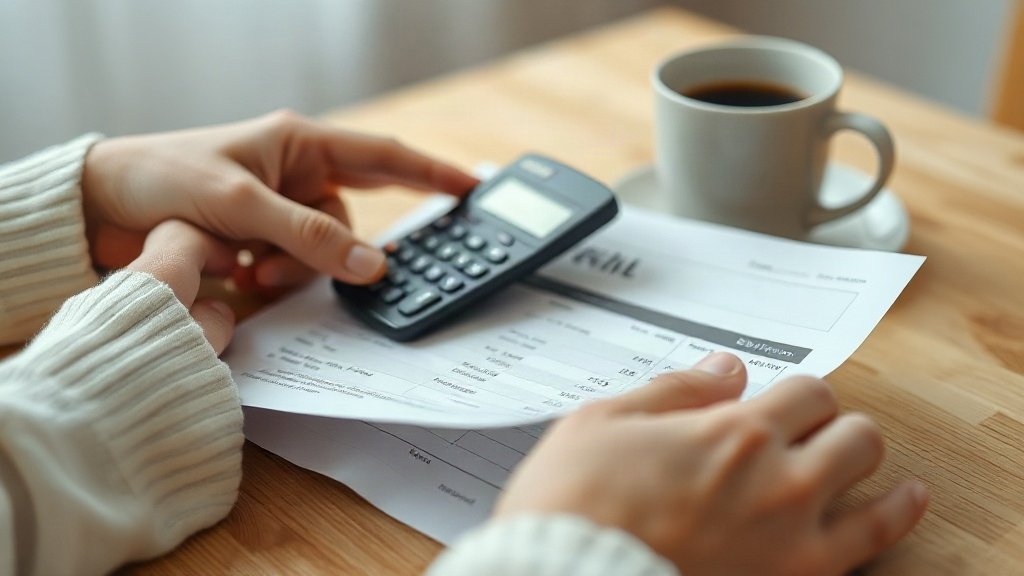
Illustration: AI-generated image
Moving to a new country brings many small challenges, and decoding utility bills is one of them. In Bulgaria, households typically receive separate bills for electricity, water, and sometimes central heating, each with its own format and payment deadline. This guide will help you understand the key components and avoid late payment fees.
Understanding the Bill
Most utility bills follow a similar structure, regardless of the provider. At the top, you will find your client number, the billing period, and the due date. The main section shows your meter readings: the previous reading, the current reading, and the difference, which is your consumption for the period.
Electricity bills in Bulgaria are often issued monthly, while water bills may be monthly or bimonthly. If you have central heating, you will receive a separate heating bill, usually during the colder months, based on either individual meters or a distribution formula for the building.
Look for the total amount due, which includes not only the consumption charge but also fixed fees, such as a monthly subscription fee for electricity or a sewage charge added to your water bill.
Common Charges
- Electricity: You pay for kilowatt-hours (kWh) used, plus a fixed monthly fee. Some bills also include a fee for "green energy" or network maintenance.
- Water: Your bill covers cubic metres of water used, plus a sewage fee, which is often calculated as a percentage of your water consumption.
- Central heating: If your building has district heating, you may pay based on individual heat meters or a share of the building's total consumption, plus a charge for the common areas.
- Other fees: Some municipalities include a local tax for waste collection on a separate bill, not on the utility bill itself, so keep an eye out for that.
Rates vary by provider and region, so always check the unit prices printed on your bill. If you see a sudden spike, compare it with your previous bills and consider checking for leaks or faulty appliances.
Payment Methods
Bulgaria offers several convenient ways to pay your utility bills:
- Online banking: Most banks allow you to pay utility bills through their websites or mobile apps. You will need the provider's bank account details, which are listed on the bill.
- Payment portals: Some utility companies have their own customer portals where you can view bills and pay by card.
- Post offices and kiosks: You can pay in cash at any Bulgarian post office or at payment kiosks found in many neighbourhoods.
- Direct debit: You can set up an automatic payment from your bank account, but make sure you always have sufficient funds to avoid overdraft fees.
Always keep your payment receipts until you receive the next bill, as they can serve as proof if there is any dispute.
Practical Tips
To stay on top of your utility bills, consider these habits:
- Take regular photos of your meters, especially if you are away for a long period.
- Check that the readings on the bill match your own records. If they don't, contact your provider.
- Pay a few days before the due date to avoid late fees, which can be significant.
- If you are renting, clarify with your landlord who is responsible for which bills and how they are transferred when you move out.
With a little practice, reading and paying your utility bills in Bulgaria will become second nature, leaving you more time to enjoy everything the country has to offer.