How to Haggle at Bulgarian Markets: A Polite Guide to Bargaining
Learn when and how to negotiate prices at Bulgarian open-air markets and bazaars, with useful phrases and etiquette tips for newcomers.
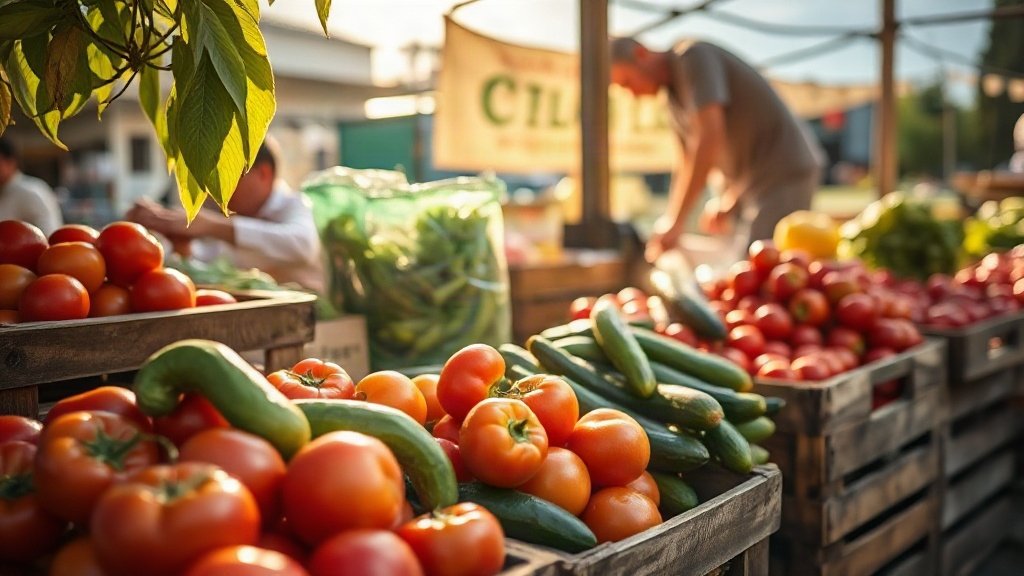
Illustration: AI-generated image
For many newcomers, the idea of haggling can feel awkward or even rude. But in Bulgaria, negotiating a price at an open-air market or bazaar is often part of the shopping experience. Done with a smile and a bit of patience, it can lead to better deals and friendly exchanges with vendors. This guide explains where haggling is welcome, how to start, and what to say.
Where haggling is expected
Haggling is most common at outdoor produce markets, flea markets, and craft bazaars. At these places, vendors often set initial prices with some room for negotiation, especially for larger quantities or non-food items. In contrast, fixed-price environments like supermarkets, chain stores, and most indoor shops do not expect bargaining. Similarly, prices in restaurants, cafés, and for services like haircuts are usually non-negotiable. When in doubt, observe the locals: if others are bargaining, it is likely acceptable.
How to start the conversation
Begin with a friendly greeting and show genuine interest in the item. Avoid aggressive tactics; a light, respectful tone works best. You might ask for the price, then make a counteroffer that is reasonable—typically 10 to 20 percent lower, though this varies. The vendor may counter, and you can meet in the middle. If the seller does not seem open to negotiation, accept the price or walk away politely. Walking away can sometimes prompt a final lower offer, but it should never be done rudely.
Useful phrases in Bulgarian
Knowing a few phrases can make the process smoother and is often appreciated. Here are some common expressions:
- Kolko struva? – How much does it cost?
- Mozhe li po-evtino? – Can it be cheaper?
- Posledna tsena? – Last price?
- Shte vzema dva, ako namalite. – I'll take two if you lower the price.
- Blagodarya, no e tvarde skapo. – Thank you, but it's too expensive.
You can also simply smile and say “Mozhe li malko namalenie?” (Can I have a small discount?). Even if your Bulgarian is limited, the effort is usually well received.
Etiquette and practical tips
Haggling is a social interaction, not a battle. Keep these points in mind:
- Be polite and patient. Rushing or showing frustration is considered poor manners.
- Have small cash ready. Paying with exact change makes the transaction smoother.
- Buy in bulk for better deals. Vendors are often more willing to lower prices when you purchase several items.
- Avoid haggling over very small amounts. If the difference is a few stotinki, it is better to accept the price.
- Respect the vendor's final word. If they say no, thank them and move on.
Remember that haggling is not about winning or losing; it is a tradition that can be enjoyable when both sides feel respected.
When not to haggle
There are times when negotiating is inappropriate. Never haggle for goods sold by charities, or for handmade items where the price clearly reflects the artisan's time and skill. Avoid bargaining in formal settings or when the vendor is clearly busy with other customers. Also, if a product is already very cheap by local standards, haggling may come across as stingy. Use your judgement and err on the side of kindness.





