Make Your Own Bulgarian Yoghurt at Home: A Simple Guide
With just milk and a spoonful of live yoghurt, you can recreate Bulgaria's tangy, creamy staple in your own kitchen.
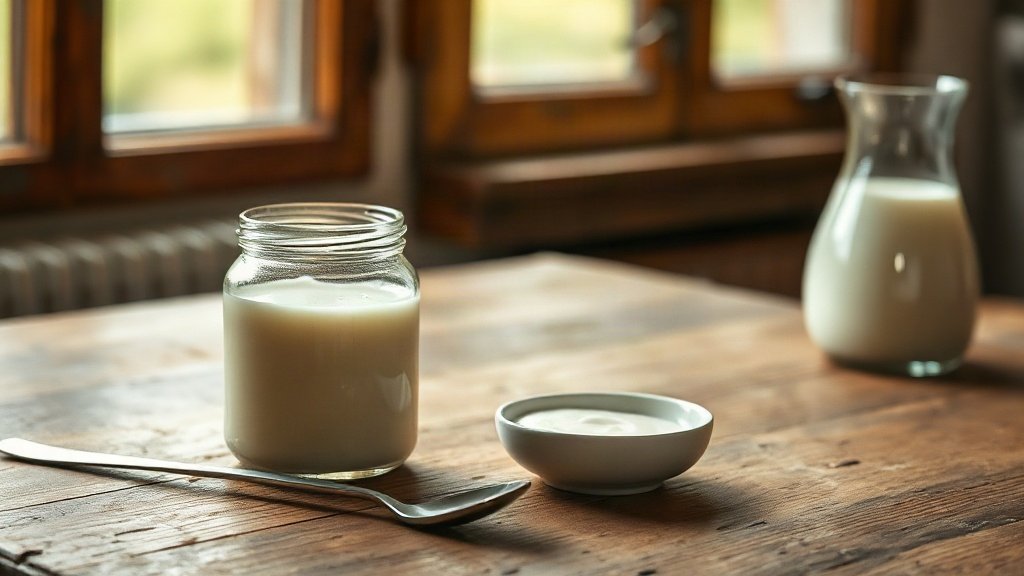
Illustration: AI-generated image
Bulgarian yoghurt is famous for its thick, creamy texture and distinctive tang. It is made with Lactobacillus bulgaricus, a beneficial bacteria that gives it a unique flavour and is associated with the country's long tradition of yoghurt making. While commercial varieties are widely available, making your own at home is surprisingly easy and rewarding.
What Makes Bulgarian Yoghurt Special?
Unlike many mass-produced yoghurts, authentic Bulgarian yoghurt is traditionally made with whole milk and a starter culture that includes Lactobacillus bulgaricus and Streptococcus thermophilus. This combination ferments the milk at a specific temperature, producing a yoghurt that is set-firm, spoonable, and pleasantly sour. It is often used as a base for dishes like tarator (cold cucumber soup) or as a side to savoury meals.
Ingredients and Equipment
You will need only two ingredients:
- 1 litre of whole cow's milk (or a mix of cow's and sheep's milk for extra richness)
- 2–3 tablespoons of plain live yoghurt with active cultures (use a good-quality Bulgarian yoghurt if available, or any plain yoghurt that lists live cultures on the label)
For equipment, a heavy-bottomed saucepan, a thermometer, a clean glass jar or ceramic bowl with a lid, and a warm place to incubate the yoghurt (such as an oven with the light on, a yoghurt maker, or a thermos) are all you need.
Step-by-Step Method
- Heat the milk: Pour the milk into a saucepan and heat it slowly over medium heat, stirring occasionally, until it reaches about 85°C. This step denatures the proteins, helping the yoghurt set thickly.
- Cool the milk: Remove the pan from the heat and let the milk cool to about 45°C. You can speed this up by placing the pan in a sink of cold water, but watch the temperature carefully.
- Add the starter: In a small bowl, mix the live yoghurt with a few tablespoons of the warm milk to thin it. Then stir this mixture back into the rest of the milk until well combined.
- Incubate: Pour the mixture into your clean container and cover it. Place it somewhere warm (around 40–45°C) and leave it undisturbed for 6–8 hours. The longer it sits, the tangier it becomes.
- Chill and set: Once the yoghurt has thickened and has a clean, slightly sour smell, transfer it to the refrigerator. It will firm up further as it chills. It keeps for up to two weeks.
Tips for Success
- Use the freshest milk possible; ultra-pasteurised milk works but may give a slightly thinner result.
- Make sure all utensils are very clean to avoid unwanted bacteria.
- Save a few tablespoons of your homemade yoghurt as the starter for your next batch; the culture will strengthen over time.
- For a thicker, Greek-style yoghurt, strain the finished yoghurt through a cheesecloth for a few hours.
Homemade Bulgarian yoghurt is delicious on its own, with a spoonful of honey or jam, or as an ingredient in both sweet and savoury dishes. Once you master the basic technique, you can experiment with milk types and incubation times to suit your taste.