Kazanlak's Thracian Tomb: A UNESCO Masterpiece of Ancient Art
The Thracian Tomb of Kazanlak is one of Bulgaria's most treasured archaeological sites, famed for its remarkably preserved Hellenistic frescoes.
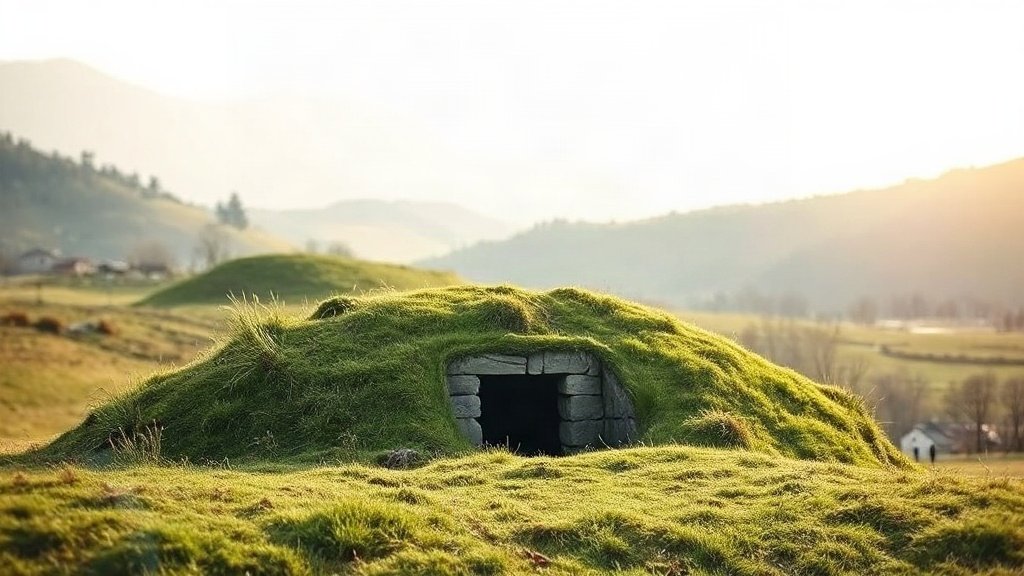
Illustration: AI-generated image
The Thracian Tomb of Kazanlak is one of Bulgaria’s most remarkable archaeological treasures. Discovered by chance in 1944, this beehive-shaped tomb dates to the 4th century BC and offers a rare glimpse into the art and beliefs of the ancient Thracians. In 1979, it was inscribed on UNESCO’s World Heritage List, recognising its outstanding universal value.
A Hidden Masterpiece
The tomb was found during the digging of an air-raid shelter near the town of Kazanlak in central Bulgaria. It is part of a larger necropolis that served the Thracian city of Seuthopolis, the capital of the Odrysian kingdom. The tomb consists of a narrow corridor (dromos) and a round burial chamber, both constructed of brick and stone. What makes it exceptional is the vivid wall paintings that cover the chamber’s interior.
Vivid Frescoes from Antiquity
The frescoes are considered the best-preserved examples of Hellenistic art in Bulgaria and among the finest in the Balkans. They depict scenes of a funeral feast: a noble couple seated at a table, surrounded by servants, musicians, and horses. The central figures are likely the buried chieftain and his wife, shown in a tender, dignified moment. The colours—deep reds, ochres, and blues—have retained much of their original brilliance. The artistry reveals a blend of Thracian traditions and Greek influences, reflecting the cultural exchange of the period.
Visiting the Tomb Today
To protect the fragile original, the tomb is sealed to the public. Visitors can explore an exact replica built nearby, which faithfully reproduces the architecture and every detail of the paintings. The replica allows an immersive experience without harming the ancient site. The original tomb remains accessible to researchers and occasionally for special visits, but its preservation is a priority.
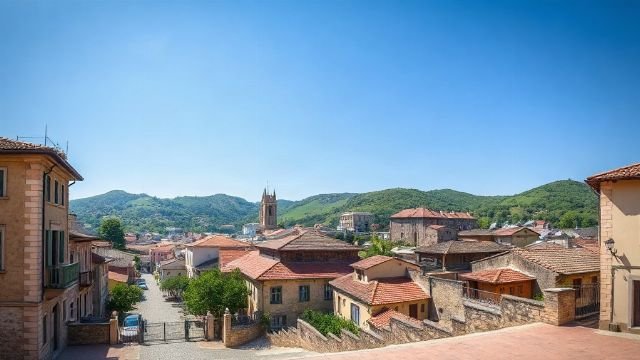
The tomb is easily reached from Kazanlak, a town known as the heart of the Valley of Roses. While in the area, travellers can also visit the Thracian Tomb of Seuthes III and the local history museum. The Kazanlak tomb is a poignant reminder of the sophisticated culture that flourished in these lands long before the arrival of the Romans and Slavs.
For anyone interested in ancient art, archaeology, or the enduring legacy of the Thracians, this UNESCO site is a must-see. Its quiet power lies not in size but in the intimate glimpse it offers into a vanished world.
A Window into Thracian Beliefs
The tomb’s layout and decoration reflect Thracian ideas about the afterlife. The beehive shape symbolised the cosmos, and the burial gifts—now displayed in museums—included weapons, jewellery, and vessels. The funeral feast scene suggests that the deceased were honoured with elaborate rituals, and the presence of horses indicates high social status. Thracians believed in an immortal soul and a journey after death, and tombs like Kazanlak were designed as eternal homes for the departed.
The discovery of the tomb transformed our understanding of Thracian culture. Before it, little was known about the Thracians’ artistic achievements. The frescoes showed that they possessed a refined aesthetic and engaged with the wider Hellenistic world. Today, the tomb is a symbol of Bulgaria’s ancient heritage and attracts scholars and visitors from around the globe.
Planning Your Visit
Kazanlak is well connected by road and rail, about two hours east of Sofia and one hour from Plovdiv. The replica tomb is open year-round, and guided tours are available. Nearby, the Iskra History Museum houses finds from the necropolis, including the original fresco fragments removed for conservation. For a deeper dive, consider combining a visit with the nearby Thracian Tomb of Seuthes III and the Shipka Memorial Church.