How to Use Public Transport in Bulgaria: A Practical Guide for Getting Around
From trams in Sofia to intercity buses, here's what you need to know about buying tickets, validating them and travelling like a local.
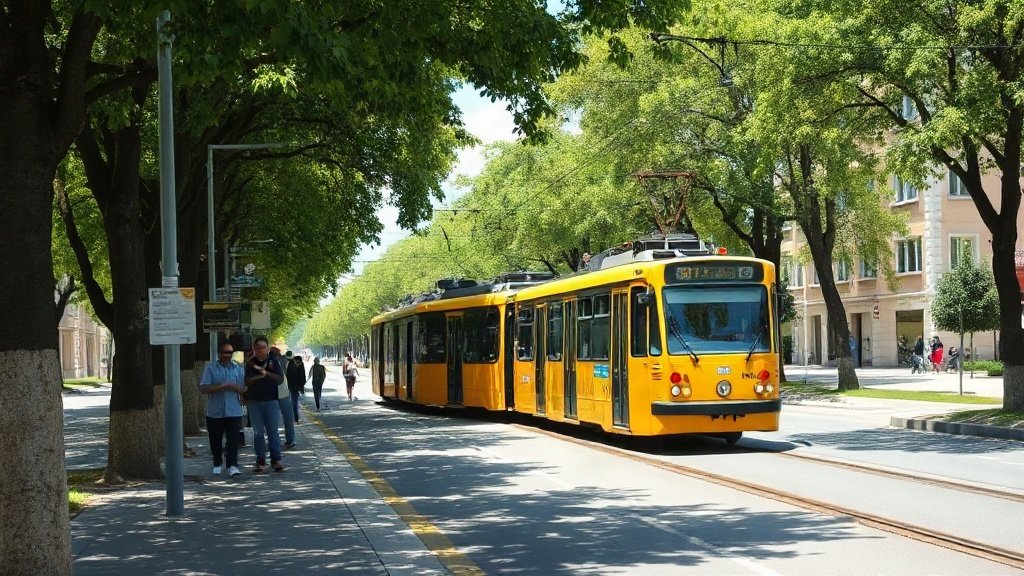
Illustration: AI-generated image
Public transport in Bulgaria is an affordable and efficient way to explore both cities and the countryside. While the network varies from one place to another, a few basic rules apply everywhere. This guide covers the essentials: what types of transport you'll find, how to buy and validate tickets, and some local customs to keep in mind.
Types of Public Transport
In larger cities like Sofia, Plovdiv, Varna and Burgas, you'll find a mix of buses, trolleybuses and trams. Sofia is the only city with a metro system, which currently has four lines connecting the centre with the airport, central railway station and outer neighbourhoods. Smaller towns and villages are typically served by municipal buses or shared minibuses known as marshrutki, though these are less formal and often operate on fixed routes with flexible stops.
Buying Tickets
Tickets are generally not sold on board, so plan ahead. You can buy them from:
- Ticket kiosks at major stops and transport hubs;
- Automated machines at metro stations and some busy stops;
- Newsagents and small shops that display a transport ticket sign;
- SMS or mobile apps in some cities, which is handy if you have a local SIM card.
Most cities offer single-journey tickets, daily passes and monthly cards. In Sofia, a single ticket allows unlimited transfers within a set time—typically 60 or 90 minutes depending on the type. If you plan to use transport frequently, a monthly card is usually the most economical choice.
Validating Your Ticket
Always validate your ticket as soon as you board a bus, tram or trolleybus. Validators are small machines near the doors—usually yellow or orange—that stamp or scan your ticket. On the metro, you'll need to validate at the barriers before entering the platform. If you bought a ticket by SMS, you don't need to validate it, but keep your phone handy as proof.
Ticket inspectors do random checks, and travelling without a validated ticket results in a fine. The process is straightforward: just show your ticket or phone, and they'll check the timestamp. If you're a tourist, it's a good idea to keep your passport or ID with you, as inspectors may ask for identification.
Intercity Travel
For travel between cities, buses and trains are both common. Buses tend to be faster and more frequent, departing from central bus stations. Tickets are bought at the station or online, and seats are usually assigned. Trains connect most towns and are a scenic way to see the countryside, though they can be slower. If you're travelling on a popular route or during holidays, book ahead.
Local Tips
- Doors on buses and trams may not open automatically; press the button or handle when the vehicle stops.
- Give up your seat to elderly people, pregnant women and those with small children—it's expected.
- At busy stops, people tend to board before others get off. Step aside and let passengers exit first.
- If you're unsure of your stop, track your route on a map app or ask a fellow passenger; most are happy to help.
Using public transport in Bulgaria becomes second nature after a few trips. With a little preparation, you'll find it's a budget-friendly and authentic way to see more of the country.