How to Start a Bulgarian Balcony Herb Garden: From Chubritsa to Dzhodzhen
Bring the flavours of Bulgaria to your own balcony with a few pots of fresh herbs. Here's how to grow and use the country's most beloved aromatic plants.
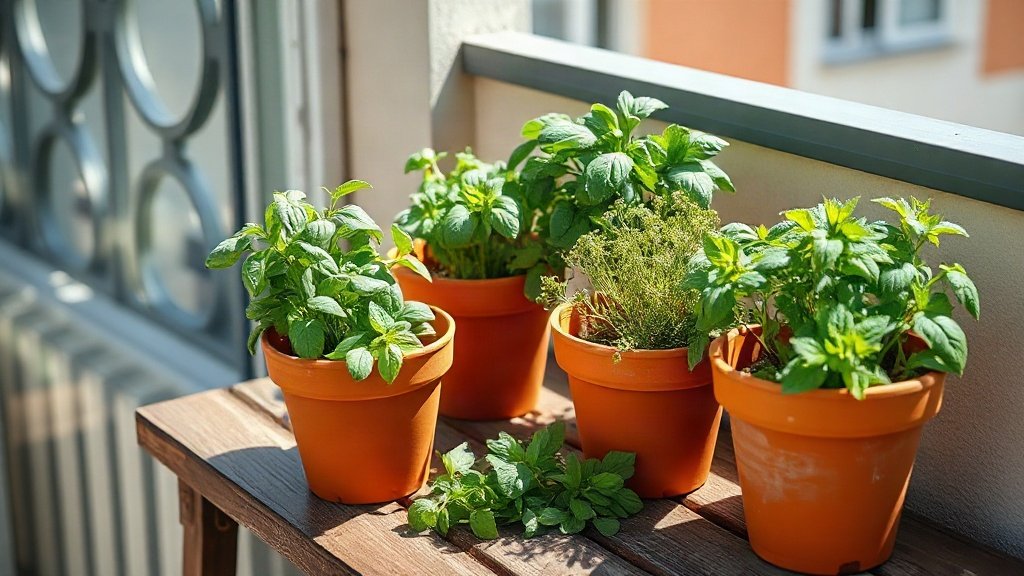
Illustration: AI-generated image
If you love the taste of Bulgarian cooking, growing your own herbs is one of the easiest ways to bring that authentic flavour into your kitchen. Even a small balcony can become a fragrant corner of the Balkans with just a few pots and the right plants. Here is how to start your own Bulgarian herb garden, from choosing the right varieties to harvesting them for your next meal.
Choose the herbs you use most
Bulgarian cuisine relies on a handful of fresh herbs that appear again and again in soups, stews, salads and pastries. Start with these four essentials:
- Chubritsa (summer savory) – the star of Bulgarian bean soups and hearty stews. Its peppery, thyme-like flavour is a must for any pot of bob chorba.
- Dzhodzhen (mint) – used both fresh and dried, often in tarator, yoghurt dips and teas. It grows vigorously and is hard to kill.
- Bosilek (basil) – slightly sweeter than the Italian varieties, it is used fresh in salads, with tomatoes and in some meat dishes.
- Magdanos (parsley) – flat-leaf parsley is preferred, and it goes into nearly everything, from shopska salad to meatballs.
If you have more space, add kopur (dill) for fish and pickles, maщерка (thyme) for roasted meats, and rozmarin (rosemary) for grilled lamb.
Containers and soil
Most herbs do well in ordinary pots at least 20–25 cm deep. Terracotta or clay pots are traditional and allow the roots to breathe, but plastic is lighter and fine for balconies. Make sure every pot has drainage holes in the bottom.
Use a good-quality potting mix, ideally one with some sand or perlite for drainage. Bulgarian herbs come from a Mediterranean climate, so they prefer soil that does not stay soggy. You can mix in a little compost if you have it, but avoid heavy garden soil as it compacts in pots.
Watering and sunlight
Most herbs need at least six hours of direct sun a day, so place your pots on the sunniest part of the balcony. A south- or west-facing spot is ideal, but if you only have shade, mint and parsley will still manage.
Water when the top inch of soil feels dry. In summer heat, you may need to water every day, but check first—overwatering is the quickest way to kill herbs. In winter, reduce watering significantly and bring tender plants like basil indoors if temperatures drop below 5°C. Chubritsa, thyme and rosemary are hardy and can survive a Bulgarian winter on a sheltered balcony.
Harvesting and using your herbs
Harvest herbs regularly to encourage bushy growth. For leafy herbs like basil and mint, pinch off the tips just above a pair of leaves. For chubritsa and thyme, snip sprigs as needed.
Use fresh herbs at the end of cooking to preserve their flavour—add chubritsa to bean soup just before serving, and sprinkle dzhodzhen over tarator. To store extras, tie the stems in small bunches and hang them upside down in a warm, airy place away from direct sun. Once fully dry, crumble the leaves into jars and keep them in a dark cupboard.
A balcony that smells like Bulgaria
Growing your own herbs is simple, inexpensive and deeply satisfying. Within a few weeks, you will have a fragrant mini garden that connects you to the tastes of Bulgaria every time you cook. Start with two or three pots, learn what thrives on your balcony, and expand from there.