Bulgaria's Renewable Energy Sector: A Guide for Investors
Bulgaria offers growing opportunities in solar, wind, biomass and hydro energy, backed by EU targets and supportive policies. Here's what businesses need to know to get started.
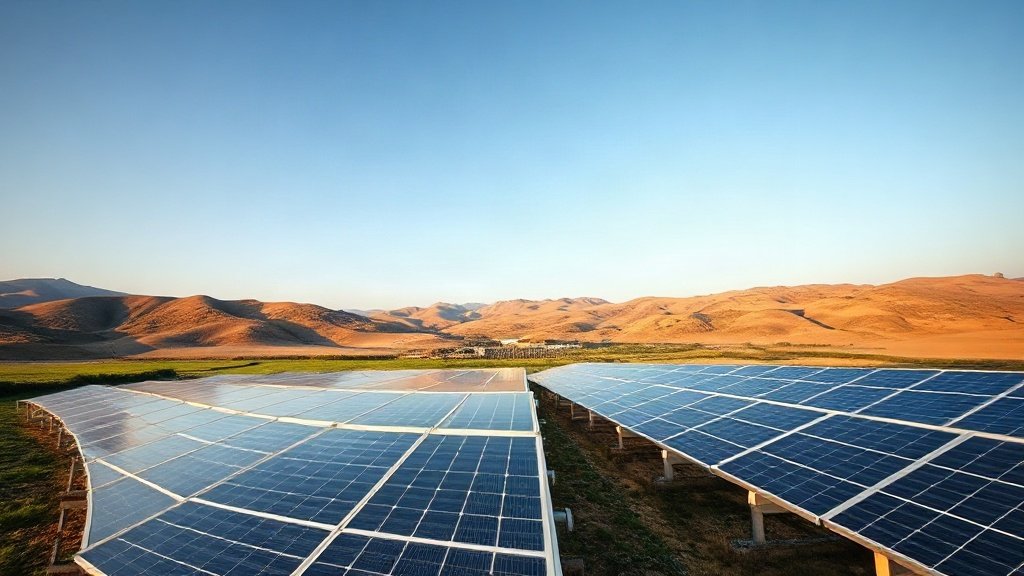
Illustration: AI-generated image
Bulgaria is emerging as an attractive destination for renewable energy investment, thanks to its favourable geography, EU membership and commitment to green energy targets. For businesses looking to expand into sustainable energy, understanding the local landscape is key.
Why Invest in Bulgaria's Renewable Energy?
Bulgaria benefits from high solar irradiation, especially in the southern regions, and consistent wind patterns along the Black Sea coast and mountain ridges. The country also has significant biomass potential from its agricultural and forestry sectors, as well as established hydropower capacity. As an EU member, Bulgaria is bound by the bloc's renewable energy directives, which drive demand and create a stable policy environment.
Key Renewable Energy Sources
- Solar: Photovoltaic installations are widespread, with large-scale solar parks and rooftop systems. The southern part of the country receives some of the highest solar radiation in Europe.
- Wind: Onshore wind farms are concentrated in the northeast and along the coast, with newer projects exploring higher-efficiency turbines.
- Biomass: Agricultural residues, wood pellets and biogas from organic waste offer opportunities for combined heat and power (CHP) plants.
- Hydro: While large hydro is already mature, small hydropower plants (up to 10 MW) remain an option in mountainous areas, subject to environmental assessments.
Regulatory Framework and Support
The Energy and Water Regulatory Commission (EWRC) oversees the sector, issuing licences and setting rules for grid connection. Renewable energy producers can benefit from support schemes, though the exact mechanisms have evolved. Currently, Bulgaria uses a combination of feed-in tariffs for small installations and premiums for larger projects, with auctions for new capacity. Businesses should consult the latest legislation or local legal experts for precise terms.
Steps to Get Started
- Site selection: Assess solar irradiation, wind speed, biomass availability or water flow. Public cadastral maps and meteorological data can help.
- Feasibility study: Evaluate technical, financial and environmental viability, including grid connection feasibility.
- Permits: Obtain construction and environmental permits from the relevant municipality and the Ministry of Environment and Water.
- Grid connection: Apply to the local electricity distribution company for connection, which may involve upgrading nearby infrastructure.
- Financing: Explore EU funds, such as the Recovery and Resilience Facility, or commercial loans from local and international banks.
Challenges to Consider
Grid capacity in some rural areas can be limited, and administrative procedures may require local expertise. Working with a Bulgarian legal or consultancy partner is advisable to navigate the process smoothly.
Bulgaria's renewable energy sector offers long-term potential for businesses committed to sustainability and growth in Southeast Europe.