How to Make Bulgarian Bob Chorba: A Hearty Bean Soup for Cold Days
A warming, smoky bean soup that’s a staple of Bulgarian home cooking – easy to make and endlessly adaptable.
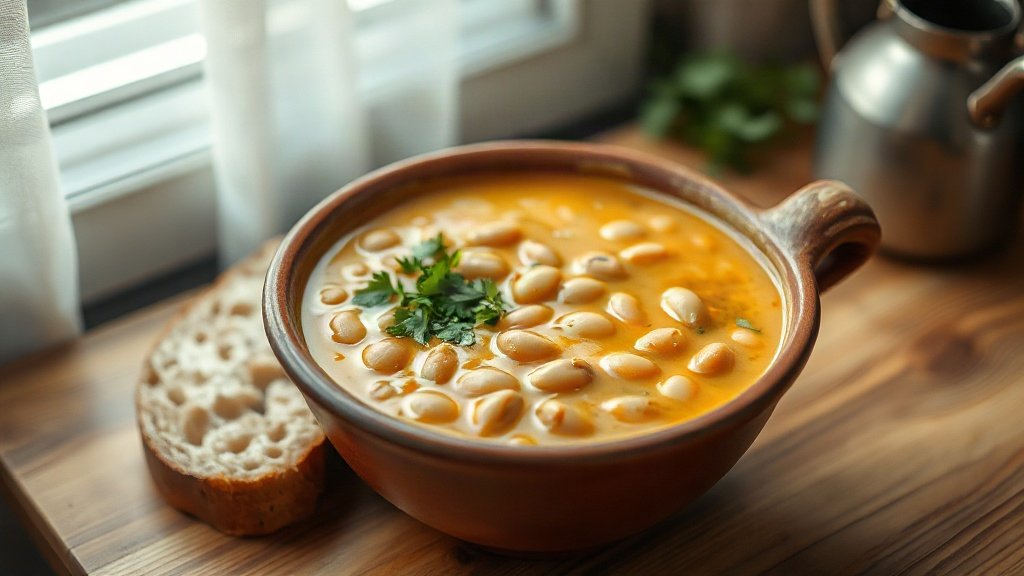
Illustration: AI-generated image
When the weather turns chilly, few dishes are as comforting in Bulgaria as a steaming bowl of bob chorba. This traditional bean soup, pronounced “bob chor-BAH,” is a cornerstone of home cooking across the country. Made with white beans, vegetables and a hint of smokiness, it’s a meal that fills the kitchen with a cosy aroma and the table with warmth.
Bob chorba is more than just food – it’s a reflection of Bulgarian resourcefulness and love for simple, honest ingredients. It’s often served in homes, at monastery refectories and in traditional taverns, but the best pot is usually the one bubbling on your own stove.
What Makes Bob Chorba Special?
The soup’s character comes from a few key elements. First, the beans: small white beans, similar to navy beans, are the standard choice. They’re soaked overnight, then simmered until creamy. Second, the vegetables: onions, carrots, peppers and tomatoes provide a sweet, savoury base. Third, the smokiness: traditionally, this comes from chubritsa (Bulgarian summer savoury) and sometimes from dried red peppers or a touch of smoked paprika. Finally, a roux of flour and oil thickens the soup slightly, giving it a velvety texture.
Many Bulgarians insist that bob chorba tastes even better the next day, after the flavours have had time to meld. It’s often paired with a slice of rustic bread and a sprinkle of fresh parsley.
Ingredients
- 250 g dried white beans (navy or cannellini work well)
- 1 large onion, finely chopped
- 1 carrot, diced
- 1 red pepper, diced (or 1 tsp sweet paprika)
- 2 tomatoes, grated or 1 tbsp tomato purée
- 3 tbsp sunflower or vegetable oil
- 1 tbsp plain flour
- 1 tsp chubritsa (or a mix of dried savoury and thyme)
- 1 tsp sweet paprika (optional, for extra depth)
- Salt and black pepper to taste
- Fresh parsley, chopped, for garnish
- Water or vegetable stock
Method
- Soak the beans: Rinse the beans and soak them in plenty of cold water for at least 6 hours, or overnight. Drain and rinse again.
- Cook the beans: Place the soaked beans in a large pot, cover with fresh water (about 5 cm above the beans), and bring to a boil. Reduce the heat and simmer gently until the beans are tender but not falling apart, about 45–60 minutes. Skim any foam that rises to the surface. Drain, reserving the cooking liquid.
- Prepare the vegetables: In a separate large pot or the same pot after cleaning, heat 2 tablespoons of oil over medium heat. Add the chopped onion and carrot, and cook until softened, about 5–7 minutes. Add the diced red pepper (or paprika) and cook for another 2 minutes.
- Add tomatoes and spices: Stir in the grated tomatoes or tomato purée, chubritsa and paprika (if using). Cook for 3–4 minutes until the mixture thickens slightly.
- Combine: Add the cooked beans to the vegetable mixture. Pour in enough of the reserved bean cooking liquid (or water/stock) to cover the beans by about 2 cm. Bring to a gentle simmer and cook for 15–20 minutes to let the flavours blend.
- Make the roux: In a small pan, heat the remaining 1 tablespoon of oil over medium heat. Add the flour and stir constantly for 2–3 minutes until it turns a light golden colour and smells nutty. Be careful not to burn it.
- Thicken the soup: Ladle a cup of the hot soup liquid into the roux and whisk until smooth. Pour this mixture back into the soup, stirring well. Simmer for another 5–10 minutes until the soup thickens slightly.
- Season and serve: Season with salt and black pepper to taste. Ladle into bowls, sprinkle generously with fresh parsley, and serve hot with crusty bread.
Tips and Variations
- For a richer flavour, use smoked paprika instead of sweet paprika, or add a small piece of dried smoked red pepper (known as chushka) during cooking.
- Some cooks add a chopped leek or celery stalk for extra depth.
- If you prefer a smoother texture, you can mash a few beans against the side of the pot before thickening.
- Bob chorba can be made vegan by using oil and water, but it’s sometimes served with a spoonful of yoghurt on top – a common Bulgarian contrast of hot and cold.
- Leftovers keep well in the fridge for up to three days and reheat beautifully; you may need to add a splash of water as it thickens when chilled.
Making bob chorba at home is a lovely way to bring a taste of Bulgaria into your kitchen. It’s forgiving, economical and deeply satisfying – a true comfort food that has warmed generations.