How to Keep Your Bulgarian Home Cool in Summer: Traditional Wisdom and Practical Tips
Beat the heat the Bulgarian way, from whitewashed walls and vine-shaded terraces to smart ventilation and simple daily habits.
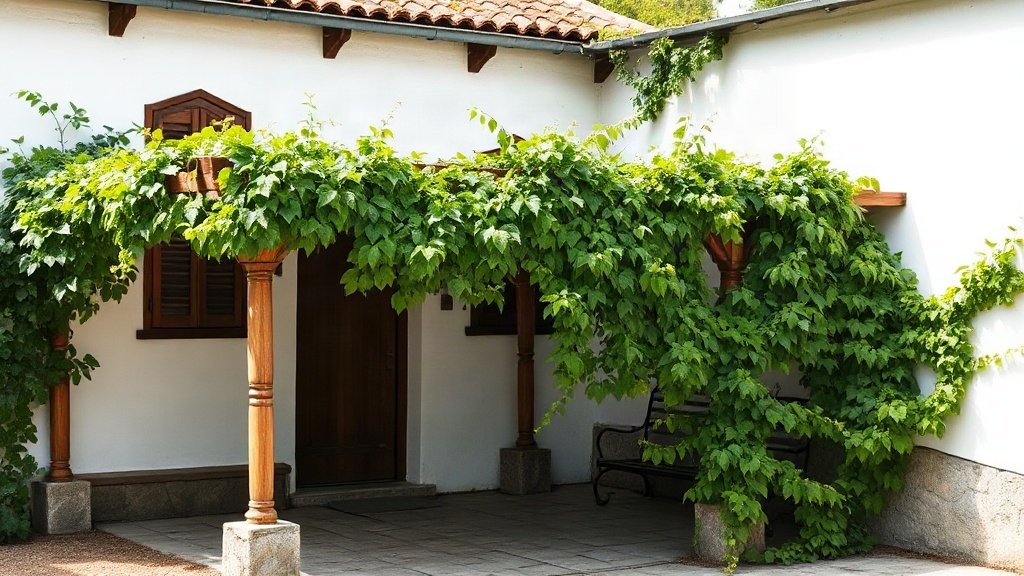
Illustration: AI-generated image
Bulgarian summers can be intense, especially in the lowlands and cities, where temperatures often climb above 30°C. While air conditioning is common, many Bulgarians rely on time-tested methods to keep their homes comfortable without high energy bills. Here is how to combine traditional architecture, clever shading, and everyday habits to stay cool all season long.
Traditional Architecture Works with the Climate
Older Bulgarian homes, particularly in villages and small towns, were built long before air conditioning existed. They use simple principles that still work beautifully today. Whitewashed exterior walls reflect sunlight, preventing heat from being absorbed into the structure. Thick stone or brick walls provide thermal mass, slowly absorbing coolness at night and releasing it during the day. High ceilings allow hot air to rise away from living spaces, and small windows with wooden shutters limit direct sun while allowing breeze.
If you live in a modern flat, you can mimic some of these effects. Light-coloured curtains or reflective blinds on south-facing windows make a noticeable difference. Adding insulation to external walls, even in small areas, helps stabilise indoor temperatures.
Shade from Plants and External Covers
One of the most charming Bulgarian traditions is the vine trellis, known as an asma. Grapevines or other climbing plants are trained over a wooden pergola covering a terrace or courtyard. In summer, the thick leaves create deep, cool shade; in winter, after the leaves fall, the sun reaches the house. Plant deciduous trees on the south and west sides of your home for the same effect — shade in summer, sunlight in winter.
If you cannot plant, use modern equivalents: retractable awnings, external roller shutters, or shade cloth. Closing shutters and external blinds during the hottest part of the day keeps indoor temperatures significantly lower than simply drawing curtains inside.
Smart Ventilation and Airflow
Bulgarians have long understood the value of cross-ventilation. In the early morning and late evening, when the air outside is cooler than inside, open windows on opposite sides of the home to create a through-breeze. Close all windows and doors as soon as the day heats up, trapping the cooler air inside. At night, leave windows open if safe, allowing the house to flush out accumulated heat.
Transom windows above doors, common in older buildings, help hot air escape to upper floors and out. If you have an attic or loft, ensure it is properly ventilated to prevent heat from radiating downwards.
Modern Additions and Everyday Habits
Small changes to your routine make a big difference. Use ceiling or floor fans instead of air conditioning whenever possible — they use far less energy and can make a room feel several degrees cooler. Turn off lights and electronics that generate heat, and avoid using the oven; opt for salads, cold soups like tarator, or barbecue outside. Cook in the early morning or late evening if you must use the stove.
Keep doors to unused rooms closed, as this concentrates cool air where you need it. Drawing curtains or blinds before leaving for work prevents the sun from heating up your living space all day. Light-coloured rugs and cool flooring, such as tile or stone, feel pleasant underfoot and help lower perceived temperature.
Don’t Forget the Balcony and Garden
Urban balconies can become heat traps. Line them with potted plants — geraniums, herbs, or even a small vine — to provide shade and evaporative cooling. Water outdoor areas in the evening; the moisture cools the surrounding air as it evaporates. A simple bowl of water with a few ice cubes placed in front of a fan can create a makeshift cooler for a small room.
By blending these traditional and modern techniques, you can keep your Bulgarian home pleasant throughout the summer while reducing your reliance on air conditioning. Your electricity bill will thank you, and you will enjoy a more natural connection to the rhythms of the season.