Gergyovden: Bulgaria's St. George's Day of Lamb, Rituals and Renewal
Every 6 May, Bulgarians celebrate Gergyovden, a vibrant spring festival honouring St. George with lamb feasts, greenery and military pride.
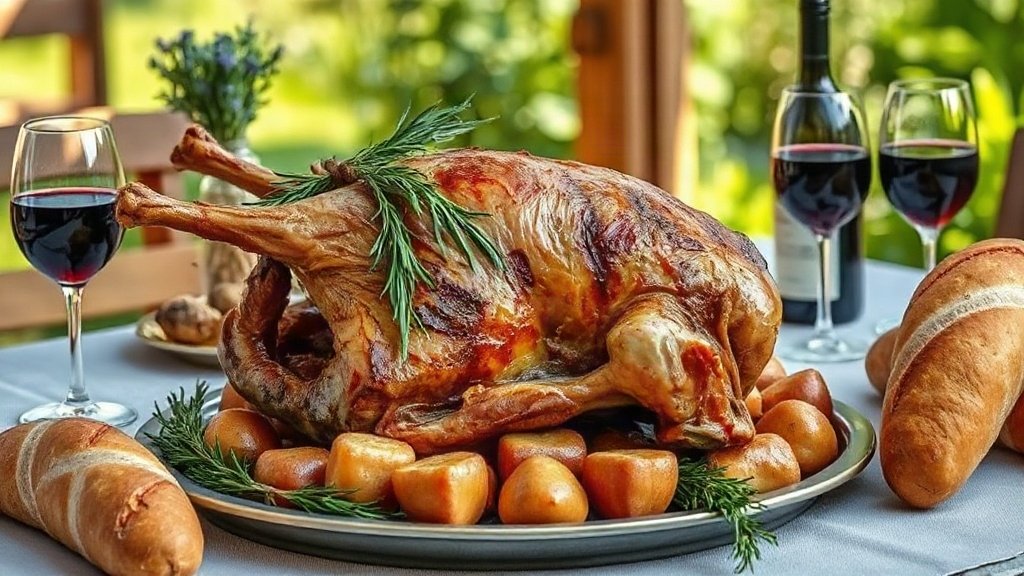
Illustration: AI-generated image
Gergyovden, or St. George's Day, is one of Bulgaria's most cherished spring festivals, celebrated every year on 6 May. It marks the awakening of nature after winter and honours St. George, the dragon-slaying saint who is also the patron of shepherds, soldiers and farmers. The day is a public holiday, and its customs reflect a deep blend of Orthodox Christianity and older pagan traditions rooted in the land.
A Saint of Many Roles
St. George holds a special place in Bulgarian culture. According to legend, he saved a princess from a dragon, symbolising the triumph of good over evil and light over darkness. For rural communities, he was seen as the protector of flocks and herds, ensuring their fertility and safety as they were led to summer pastures. In modern Bulgaria, Gergyovden is also the official Day of the Bulgarian Army, with a military parade in Sofia attended by the president and other officials.
The Lamb at the Heart of the Feast
The most iconic element of Gergyovden is the sacrificial lamb. Traditionally, each family would raise a lamb specifically for this day, often the first-born male of the flock. On the morning of the feast, the lamb is ritually slaughtered, and its meat is roasted whole on a spit. The meal is usually eaten outdoors, surrounded by family and friends, often under the shade of a tree or in a garden. The lamb is accompanied by fresh salads, homemade bread and plenty of wine or rakia.
Before roasting, the lamb is sometimes decorated with a wreath of flowers or green branches, and its head is adorned with a red thread or a small cross. The blood of the lamb was traditionally used to make a cross on the foreheads of children, believed to bring health and protection for the year ahead. Today, this practice is less common, but the symbolism remains strong.
Green Branches and Morning Dew
Gergyovden is also a day of greenery and renewal. Early in the morning, people gather fresh branches—especially willow, geranium or nettle—and place them on doors, windows and gates to ward off evil and bring prosperity. Some tie these branches into wreaths or use them to decorate the home. Another old custom involves rolling in the morning dew, which is said to have healing powers on this day, especially for young women who wish to be healthy and beautiful.
Name Days and Community Gatherings
Because St. George is a popular saint, thousands of Bulgarians named Georgi, Gergana, Gencho, Ginka and other variations celebrate their name day on 6 May. Friends and relatives visit with flowers and small gifts, and it is common for open-house gatherings to last all day. In villages, the celebration often includes music, horo dancing and sometimes a communal meal prepared by the whole neighbourhood.
Gergyovden remains a vibrant expression of Bulgarian identity, connecting the rhythms of the agricultural year with deep spiritual meaning. Whether in a bustling city or a quiet village, the sight of roasting lamb, the scent of fresh greenery and the sound of laughter on this day remind everyone that spring has truly arrived.