A Practical Guide to Exporting Bulgarian Wine
Bulgaria has a rich winemaking heritage and a growing reputation abroad. This guide explains the key steps for businesses looking to export Bulgarian wine.
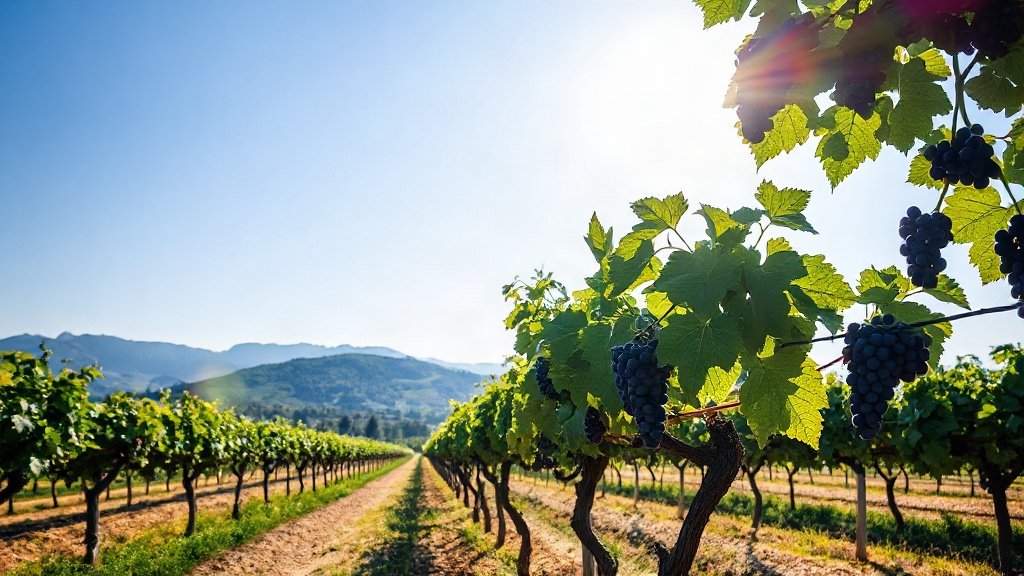
Illustration: AI-generated image
Bulgaria has been producing wine for thousands of years, and its wines are increasingly finding their way onto international tables. With a favourable climate, diverse terroirs and a mix of indigenous and international grape varieties, the country offers real opportunities for exporters. If you are considering entering this market, here is a practical overview of what you need to know.
Understanding the Bulgarian Wine Industry
Bulgaria is divided into five main wine regions: the Danubian Plain in the north, the Black Sea coast in the east, the Thracian Valley in the south, the Struma Valley in the southwest, and the Rose Valley. Each region has its own microclimate and soil types, leading to distinctive wine styles.
Indigenous grapes such as Mavrud, Melnik, Rubin and Gamza are increasingly sought after by international buyers looking for something different. International varieties like Cabernet Sauvignon, Merlot and Chardonnay are also widely planted. Understanding which regions and varieties have the strongest export potential for your target market is a crucial first step.
Legal and Regulatory Requirements
As an EU member state, Bulgaria follows EU wine regulations. For exports within the EU, you will need to ensure that your wine complies with EU labelling and production standards. For exports outside the EU, additional requirements may apply depending on the destination country.
- Register as an exporter: You must be registered with the Bulgarian Customs Agency and obtain an EORI number if you are exporting outside the EU.
- Wine certification: Wines with protected designation of origin (PDO) or protected geographical indication (PGI) need to be certified by the relevant Bulgarian authority. Certification confirms that the wine meets specific production and origin criteria.
- Labelling: Labels must comply with EU rules, including mandatory information such as alcohol content, volume, producer details and allergen warnings. For non-EU markets, check local labelling requirements.
- Export documents: You will typically need a commercial invoice, packing list, certificate of origin (for some destinations) and possibly a health certificate. For wine, a VI-1 document may be required for exports outside the EU.
Finding Your Market
Before you begin exporting, identify your target markets. Consider factors such as consumer tastes, price points, competition and import regulations. Some Bulgarian wine producers have found success in markets like the UK, Germany, Scandinavia and the United States, where interest in lesser-known wine regions is growing.
Attending international wine fairs, such as ProWein in Düsseldorf or Vinexpo, can help you connect with buyers and distributors. Building relationships with importers who specialise in Balkan or Eastern European wines can also be effective.
Logistics and Shipping
Wine is a sensitive product that requires careful handling. Temperature-controlled transport is essential, especially during summer and winter months. For smaller quantities, air freight may be an option, but sea freight is more common for commercial volumes. Ensure your packaging is robust and complies with international shipping standards for glass bottles.
Work with a freight forwarder experienced in wine logistics to manage customs clearance and documentation. Insurance is also advisable to cover potential damage or loss during transit.
Marketing Your Wine
Effective marketing can make a significant difference in a competitive market. Highlight the story behind your wine – the region, the grape variety and the winemaking tradition. Emphasise Bulgaria's long history and the unique character of indigenous varieties. Participating in tastings, securing reviews in wine publications and building a strong online presence can help raise awareness.
Exporting Bulgarian wine requires careful planning and attention to detail, but for businesses willing to invest the time and effort, the rewards can be substantial.