A Guide to Shopping at Bulgaria's Green Markets
From seasonal produce to homemade cheeses and honey, Bulgaria's open-air markets are a vibrant part of everyday life. Here's what to expect and how to make the most of your visit.
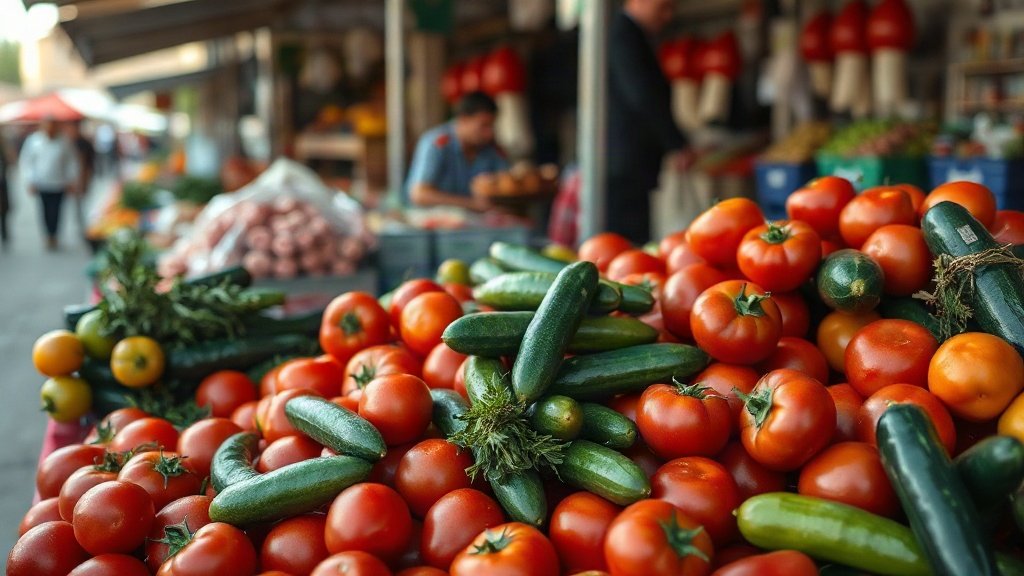
Illustration: AI-generated image
Bulgaria's open-air markets, known locally as zelenchukovi pazari or simply pazar, are among the most vibrant and authentic experiences a visitor can have. Unlike supermarkets, these markets are where you'll find the country's best seasonal produce, often grown within a few kilometres of the stall. In towns and cities across the country, they open early in the morning and wind down by early afternoon, making them a perfect first stop for anyone who loves food.
Stepping into a green market is like walking into the pantry of Bulgaria itself. The stalls spill over with whatever is ripe and ready, and the vendors – many of them farmers who have been selling here for decades – treat their produce with visible pride. It's a tradition that predates supermarkets and remains central to how Bulgarians shop for fresh food.
What to Expect
Expect a riot of colour and aroma: heaped pyramids of tomatoes, cucumbers and peppers, mountains of leafy greens, and buckets of brine-soaked cheeses. Many vendors are small-scale farmers or home producers who bring their goods daily. You'll also find jars of homemade lutenitsa, honey, walnuts, dried herbs and occasionally fresh eggs or yoghurt. The atmosphere is lively but unhurried, and a little basic Bulgarian goes a long way.
Seasonal Highlights
Bulgarian markets follow the seasons closely. In spring, look for wild garlic, nettles, and the first strawberries. Summer is the peak: sun-ripened tomatoes, sweet peppers, aubergines, and apricots appear in abundance. Autumn brings grapes, quince, and the start of the cabbage and leek season. Winter markets may be quieter, but they offer stored apples, pumpkins, and jars of preserved vegetables. Whatever the time of year, you'll usually find fresh herbs like parsley, dill and savory, and dairy products such as sirene and kashkaval.
More Than Just Food
Many green markets also sell flowers, potted herbs and garden seedlings, especially in spring. You might spot handmade brooms, woven baskets or wooden spoons, and occasionally villagers selling surplus eggs or home-raised poultry. It's a place where neighbours catch up, recipes are exchanged, and the pace of life feels a little slower. For visitors, it's a chance to observe daily Bulgarian life up close while stocking up on edible souvenirs.
Tips for Shopping
It's customary to ask for a taste before buying, especially for cheese, olives or fruit. Vendors are usually happy to oblige. Bring your own bags, as plastic ones may not be provided. While bartering is not common for everyday produce, you can sometimes get a better price if you buy in larger quantities. It's also worth remembering that many vendors only accept cash, so have some lev on hand. If you're not sure what something is, pointing and smiling often works, and many sellers will gladly explain their produce.
Visiting a Bulgarian green market is more than a shopping trip – it's a window into the country's culinary heart. Whether you're stocking a holiday kitchen or just browsing, you'll leave with a deeper appreciation for Bulgaria's rich food culture.