A Guide to Bulgaria's Mehana: The Traditional Tavern Experience
Discover the charm of a Bulgarian mehana, from its rustic decor and live folk music to the hearty dishes served at communal tables.
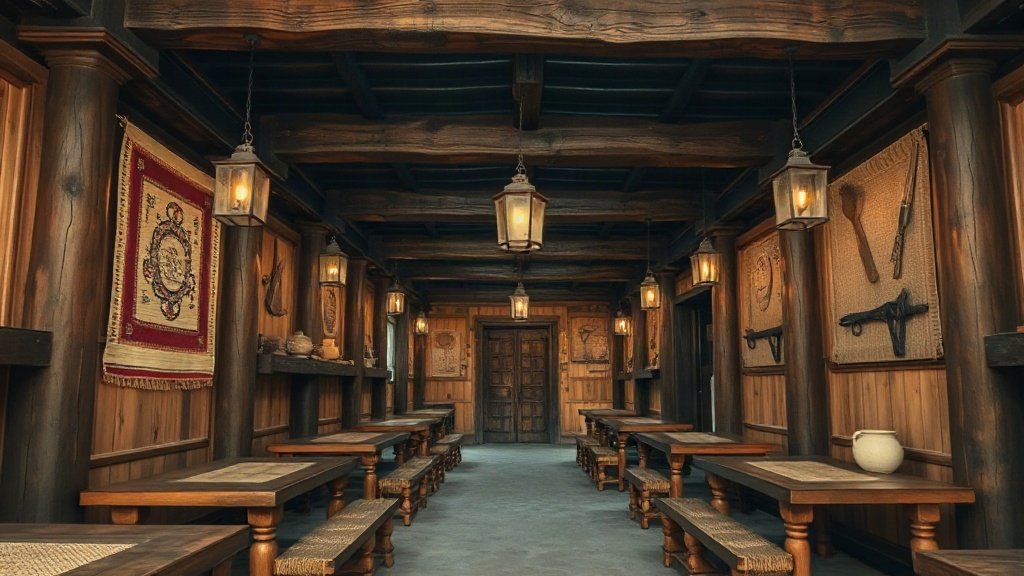
Illustration: AI-generated image
A mehana is more than just a place to eat in Bulgaria—it is a cultural institution that blends dining, music, and hospitality in a uniquely Bulgarian way. Often found in old town quarters, mountain villages, and city centres, these traditional taverns offer an immersive experience that goes far beyond the menu.
What is a Mehana?
The word 'mehana' comes from the Turkish 'meyhane', meaning a tavern or wine house. Over centuries, it evolved into a distinctly Bulgarian establishment, combining elements of a restaurant, a pub, and a folk club. Traditionally, mehanas were simple roadside inns where travellers could rest, eat, and drink. Today, they are popular venues for family celebrations, tourist dinners, and anyone seeking an authentic taste of Bulgarian culture.
The Atmosphere and Decor
Stepping into a mehana typically feels like entering a rustic village home from a bygone era. Interiors are heavy with wood—rough-hewn beams, carved tables, and benches. Walls are often adorned with woven rugs, traditional pottery, farming tools, and embroidered textiles. The lighting is warm and dim, often from lantern-style fixtures or candles, creating a cosy, intimate mood. Many mehanas feature a central fireplace or an open hearth, which adds to the homely atmosphere.
Live Music and Dancing
One of the defining features of a mehana is live folk music. In the evenings, especially on weekends, small ensembles play traditional Bulgarian instruments such as the gaida (bagpipe), kaval (wooden flute), gadulka (bowed string instrument), and tapan (large drum). The music ranges from slow, melancholic songs to lively horo dance tunes. It is common for diners to join in a line dance, holding hands and following the complex steps. If you are not familiar with the steps, simply clap along or enjoy the spectacle—participation is welcomed but never required.
The Food: Hearty, Shared and Seasoned
Mehana menus are a showcase of Bulgarian comfort food. Expect generous portions designed for sharing. Typical starters include shopska salad, lutenitsa with warm bread, and a selection of cheeses such as sirene and kashkaval. Main courses lean towards grilled meats—kebapche, kufte, and skewers—as well as slow-cooked stews like kavarma and gyuvech served in clay pots. Traditional breads, from plain pitka to cheese-filled tutmanik, are always on the table. Desserts might include baklava, kadaif, or a slice of garash cake, often accompanied by strong coffee or a digestif.
What to Drink
No mehana visit is complete without rakia, the potent fruit brandy often served as an aperitif with a side of shopska salad. Wine is also widely available, with many mehanas offering house wines from local grape varieties like Mavrud and Melnik. For a non-alcoholic option, try ayran or a refreshing kompot. Toasting is a common ritual: a simple 'Nazdrave!' (Cheers!) is all you need.
Etiquette and Practical Tips
- Reservations are recommended on weekends and holidays, as mehanas fill up quickly.
- Dress is casual, but some upscale mehanas in cities may expect smart-casual attire.
- It is customary to share dishes; order a few starters and mains for the table rather than individual plates.
- Tipping is appreciated, typically around 10% of the bill, though not obligatory.
- If you are invited to dance, do not worry about perfection—enthusiasm is more important than precision.
Whether you are a first-time visitor or a long-time resident, a night at a mehana is one of the best ways to experience Bulgaria's warmth, tradition, and culinary soul.