Yes or No? Decoding Bulgarian Head Gestures
In Bulgaria, the usual head signals for yes and no are reversed. Learn how to avoid confusion with this simple guide to local body language.
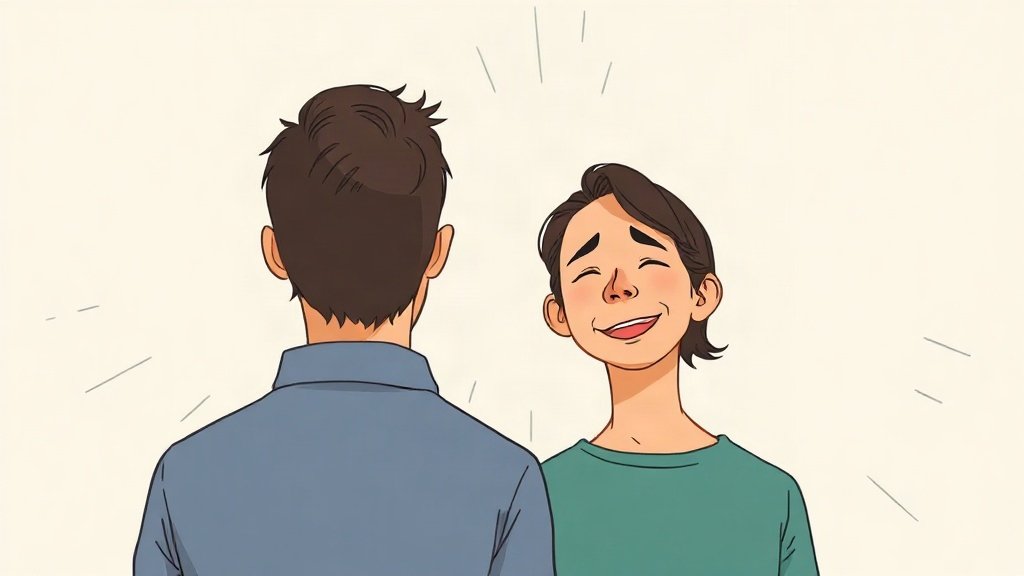
Illustration: AI-generated image
If you ask a Bulgarian a yes-or-no question and they tilt their head upwards with a click of the tongue, don't be surprised. They are saying no. Meanwhile, a side-to-side shake of the head means yes. For newcomers, this reversal of familiar Western gestures is one of the most endearing and confusing quirks of Bulgarian culture.
The Reversed Logic
In most of Europe and North America, a vertical nod signals agreement, and a horizontal shake signals disagreement. In Bulgaria, the opposite is true. When a Bulgarian wants to say da (yes), they often shake their head from left to right, sometimes with a slight smile. When they mean ne (no), they nod once, often sharply, and may raise their eyebrows or click their tongue.
This difference likely stems from a combination of Ottoman influence and local tradition. While the exact origin is debated, the gesture reversal has been documented for centuries and remains firmly embedded in everyday communication. Bulgarians are aware of the confusion it causes and usually switch to the international style when speaking with foreigners—but not always.
Practical Tips for Visitors
To avoid misunderstandings, pay attention to more than just the head. A Bulgarian saying "yes" with a head shake will often accompany it with the word da or a positive tone. A "no" with a nod is usually firmer and may include a raised hand or a ne. When in doubt, confirm verbally: "So that's a yes?"
In formal settings, such as business meetings or official offices, many Bulgarians adopt the Western gesture to be clear. But in markets, villages, or casual chats, the local style prevails. Observing locals interact will quickly teach you the rhythm.
A Quirk Worth Knowing
This cultural detail is more than a curiosity—it reflects the deep roots of non-verbal communication. For anyone planning to live, work, or travel in Bulgaria, mastering the head shake and nod is a small step that opens doors to warmer interactions. Locals appreciate when foreigners make the effort, even if it results in a few laughs at first.
So next time you're in Sofia or Plovdiv, remember: a shake might mean "yes", and a nod might mean "no". Keep your ears open, and you'll soon read the signals like a local.