Turshiya: Bulgaria's Tangy Pickled Vegetables You Need to Try
Discover turshiya, the traditional Bulgarian medley of pickled vegetables that brightens winter tables with a tangy crunch. Learn which vegetables are used, how it's made, and how to serve it.
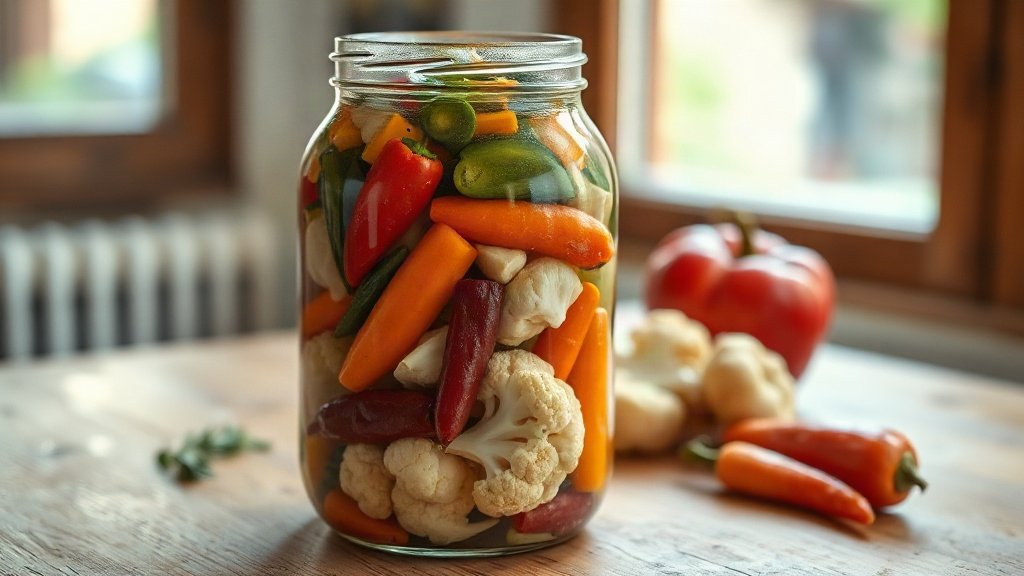
Illustration: AI-generated image
As autumn turns to winter, Bulgarian kitchens come alive with the clink of jars and the tangy scent of vinegar. Turshiya—the catch-all term for pickled vegetables—is a cornerstone of the country's culinary tradition, a way to preserve the summer's bounty for the cold months ahead. Unlike the sweet-and-sour pickles of some cuisines, Bulgarian turshiya is proudly tangy, often simply brined with salt and water, letting the natural flavours of the vegetables shine through.
The most common turshiya starts with cabbage, either whole heads for sarmi or shredded for a crunchy side dish. But the medley is limited only by the harvest: sweet and hot peppers, carrots, cauliflower, green tomatoes, small cucumbers, and even unripe melons find their way into the jar. Each family has its own combination, but a classic "mixed turshiya" (turshiya ot smes) might include cauliflower florets, carrot sticks, pepper strips, and celery, all tightly packed with a few cloves of garlic and a sprig of dill.
Making turshiya at home is straightforward and deeply satisfying. Vegetables are cleaned, cut into bite-sized pieces, and packed into sterilised jars. A simple brine of water and salt—sometimes with a splash of vinegar to speed the fermentation—is poured over, and the jars are sealed. Over the following weeks, natural fermentation transforms the vegetables, producing a crisp, sour pickle that needs no refrigeration until opened. The waiting is part of the ritual: turshiya is made in late autumn and traditionally enjoyed from St. Nicholas Day in early December through the end of winter.
Regional variations add charm to the tradition. In some areas, beetroot lends a vivid pink hue, while a handful of sour cherries can introduce a subtle fruity note. The brine may be seasoned with bay leaves, black peppercorns, or celery leaves, and some households prefer a wild fermentation with no salt at all, relying on naturally occurring lactic acid bacteria. Whatever the method, the result is a bright, healthy preserve that captures the essence of the season.
On the table, turshiya is a versatile companion. It is served as a meze alongside rakia or wine, adds a bright crunch to winter stews like bob chorba or gyuvech, and is often paired with grilled meats or a simple slice of bread and sirene cheese. The tangy brine is sometimes sipped as a folk remedy for digestion or after a lively evening. Whether you prefer the pucker of pickled peppers or the gentle sour of cabbage, turshiya is a taste of Bulgarian tradition that turns humble vegetables into a celebration of the seasons.