The Ancient Art of Bulgarian Polyphonic Singing
Bulgaria's rich vocal tradition blends dissonant harmonies and powerful resonance, recognised by UNESCO as part of the world's intangible heritage.
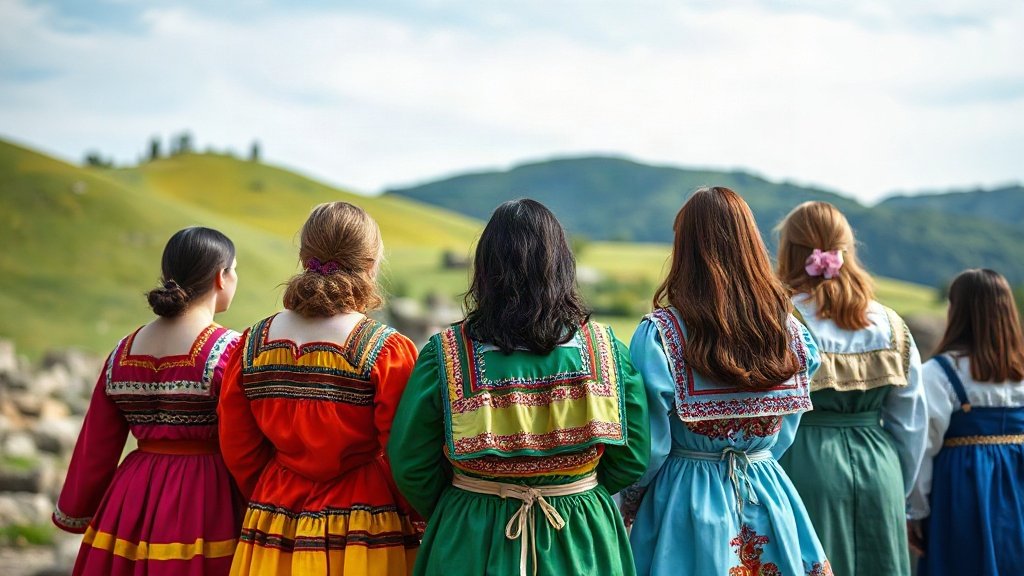
Illustration: AI-generated image
Bulgarian polyphonic singing is one of the country's most distinctive cultural treasures, a vocal art form that has captivated audiences worldwide with its otherworldly harmonies and raw emotional power. Unlike Western choral traditions that favour smooth blends, Bulgarian singing embraces dissonance, close intervals and a piercing, resonant quality that seems to echo from the mountains themselves.
What makes it unique
The hallmark of Bulgarian polyphony is the use of seconds and sevenths – intervals that Western ears often find tense or 'clashing'. Singers produce a bright, forward sound, often with pronounced vibrato, and ornamentation such as trills, glides and sudden dynamic shifts. The music is typically sung by women, though men's groups also perform, and it is closely tied to ritual, work and social gatherings.
Regional styles
Bulgaria's varied geography has given rise to several distinct vocal styles. The Shop region around Sofia is known for its fast, ornamented melodies and intense, nasal timbre. The Pirin region in the southwest features two-part singing with a characteristic drone, while the Rhodope Mountains produce slower, melancholic songs with wide melodic leaps and a deep, resonant chest voice. The Thracian plain, on the other hand, favours a lighter, more lyrical approach.
UNESCO recognition
In 2005, UNESCO inscribed the Bistritsa Babi – the grandmothers of Bistritsa – on its Representative List of the Intangible Cultural Heritage of Humanity. This group of elderly women from a village near Sofia preserves an archaic style of polyphonic singing, dancing and ritual practices that dates back centuries. Their recognition helped bring global attention to Bulgaria's living vocal heritage.
A global influence
Bulgarian polyphonic singing gained international fame in the 1970s and 1980s, largely through the recordings of the Bulgarian State Television Female Vocal Choir. Their albums, released under the title Le Mystère des Voix Bulgares, introduced millions of listeners to the haunting beauty of the tradition, influencing musicians from Kate Bush to Bobby McFerrin. Today, the sound remains a staple of world music festivals and continues to inspire contemporary artists.
Where to hear it
Visitors to Bulgaria can experience this living tradition at folklore festivals, village celebrations and cultural centres across the country. Many towns host annual gatherings where local singing groups perform, often alongside dancing and other traditional arts. Listening live is the best way to appreciate the power and subtlety of these voices, which carry the memory of generations.