Sirene: Bulgaria's Brined White Cheese and How to Use It
The crumbly, salty cheese that stars in shopska salad and banitsa is a cornerstone of Bulgarian cooking. Here's what makes it special and how to enjoy it at home.
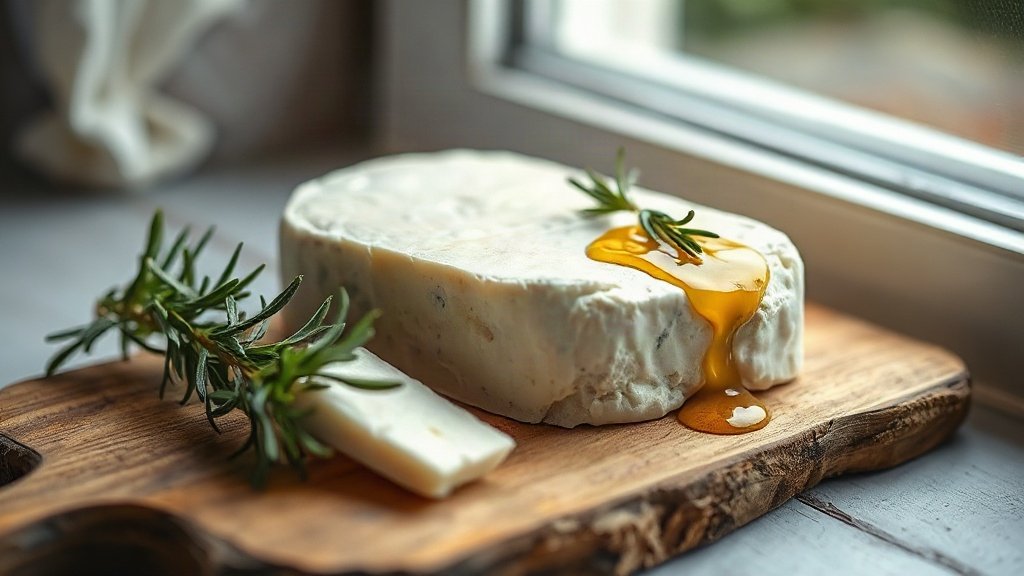
Illustration: AI-generated image
Walk into any Bulgarian kitchen and you are likely to find a block of white cheese soaking in brine. This is sirene, the country's most iconic dairy product and a staple that appears on tables from breakfast to dinner. Similar to Greek feta but with its own distinct character, sirene is a versatile ingredient that defines many classic Bulgarian dishes.
What exactly is sirene?
Sirene is a white brined cheese made from cow's, sheep's, goat's, or a mixture of milks. It has no rind, a crumbly yet sliceable texture, and a salty, tangy flavour. The cheese is aged in a saltwater brine, which not only preserves it but also intensifies its savoury profile. While often compared to feta, Bulgarian sirene tends to be slightly saltier and is frequently produced from a blend of milks, giving it a more complex taste. Depending on the region and production method, sirene can range from soft and creamy to firm and crumbly.
How is sirene made?
The process starts with fresh milk that is pasteurised and then cultured with lactic acid bacteria. Rennet is added to coagulate the milk, and the resulting curd is cut, drained, and pressed into blocks. These blocks are then submerged in a brine solution and left to mature for at least a few weeks. Traditional recipes often call for sheep's milk, which yields a richer, more intense flavour, but cow's milk sirene is more common in commercial production. The brine is key: it draws out moisture, concentrates flavour, and gives the cheese its characteristic saltiness.
Characteristics to look for
A good sirene should be white or slightly creamy in colour, with a clean, milky aroma. When you break off a piece, it should crumble slightly but not fall apart completely. The texture should be moist but not slimy, and the flavour should be salty with a pleasant tang. Avoid sirene that is rubbery, overly dry, or has an ammonia-like smell, as these are signs of poor quality or improper storage.
How Bulgarians use sirene
Sirene is incredibly versatile and appears in countless dishes. Here are some of the most common ways to enjoy it:
- In salads: Crumbled over fresh tomatoes, cucumbers, and peppers, sirene is the star of the famous shopska salad, but it also shines in simpler combinations such as sliced tomatoes with a drizzle of sunflower oil.
- In banitsa: The classic Bulgarian cheese pie layers filo pastry with a mixture of sirene, eggs, and yoghurt, baked until golden and flaky.
- As a table cheese: Sirene is often served as part of a meze platter alongside olives, cured meats, and fresh bread. A drizzle of honey or a spoonful of sweet fruit preserve balances its saltiness beautifully.
- In cooked dishes: It can be stuffed into peppers, mixed into egg dishes, melted over roasted potatoes, or added to stews for a salty, creamy kick.
- As a seasoning: Because it is already salty, sirene can replace salt in many recipes, adding depth to pasta, rice, and vegetable dishes.
How to choose and store sirene
When buying sirene, look for blocks sold in brine or vacuum-packed portions. Check the label to see the type of milk used, as sheep's milk sirene will have a stronger flavour. Once opened, keep the cheese refrigerated in its original brine or transfer it to a container with a simple saltwater solution (about one tablespoon of salt per cup of water). If the cheese is too salty for your taste, you can soak it in fresh water or milk for 30 to 60 minutes before using. Sirene can be frozen, but the texture will become crumblier upon thawing, so it is best reserved for cooking rather than serving fresh.
A simple way to try sirene at home
If you have access to sirene, a quick and satisfying snack is to spread a thick slice of crusty bread with a little butter, top with crumbled sirene, and finish with a drizzle of honey and a few chopped walnuts. The contrast of salty, sweet, and nutty flavours is a classic Bulgarian combination that requires no cooking at all.
Whether you are new to Bulgarian food or a seasoned lover of Balkan cuisine, sirene is an ingredient worth exploring. Its bold flavour and endless uses make it a true workhorse in the kitchen and a delicious link to Bulgaria's culinary heritage.