Proya: Bulgaria's Simple and Satisfying Cornbread
Proya is a humble yet beloved Bulgarian cornbread, often enriched with cheese or yoghurt. Learn about its history, how it's made, and the best ways to enjoy this everyday staple.
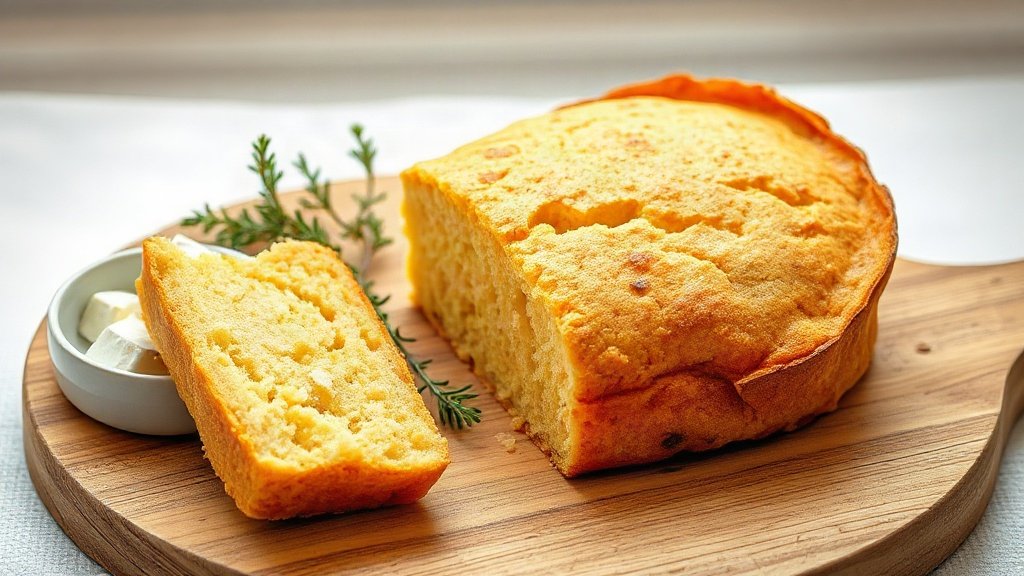
Illustration: AI-generated image
While banitsa often steals the spotlight among Bulgarian baked goods, proya holds a quiet but cherished place on tables across the country. This golden cornbread, sometimes flecked with white cheese or enriched with yoghurt, is a staple of home cooking and rural tradition. Simple to make and deeply comforting, proya embodies the resourcefulness of Bulgarian cuisine.
What is proya?
Proya is a type of bread made primarily from cornmeal, which gives it a distinctive yellow colour and slightly crumbly texture. It is leavened with baking soda or yeast, and often includes ingredients like eggs, yoghurt, white cheese (sirene), or even cracklings for extra flavour. Unlike some cornbreads elsewhere, Bulgarian proya is usually baked in a pan and cut into squares or wedges.
The dish has deep roots in the Balkan region, where corn was introduced from the Americas and became a staple crop. In Bulgaria, cornmeal was more affordable than wheat flour for many families, especially in rural areas, making proya a practical and filling addition to meals.
Key ingredients and variations
The basic proya recipe calls for cornmeal, flour, eggs, yoghurt, and a leavening agent. The yoghurt reacts with baking soda to create a light rise, while also adding a subtle tang. Many cooks add crumbled sirene (Bulgarian white cheese) to the batter, which melts into savoury pockets as the bread bakes. Some versions include a bit of sugar for a sweet-savoury balance, while others keep it entirely savoury.
Regional variations abound. In some areas, proya is made with only cornmeal and water, resulting in a denser, more rustic loaf. Others add leeks, spinach, or herbs for a more complex flavour. During fasting periods, eggs and dairy are omitted, and the bread is made simply with water, oil, and flour.
How proya is served
Proya is incredibly versatile. It is often eaten for breakfast, paired with yoghurt or a glass of ayran. At lunch or dinner, it accompanies stews, soups, or salads, soaking up sauces and adding substance to the meal. A slice of warm proya with a pat of butter and a sprinkle of sharena sol (colourful herb salt) is a simple pleasure many Bulgarians remember from childhood.
Leftover proya can be toasted or crumbled into soups, and it also makes an excellent base for a quick meal topped with cheese and tomatoes.
Making proya at home
While recipes vary, a basic proya is easy to prepare. Typically, dry ingredients (cornmeal, flour, baking soda, salt) are mixed, then combined with beaten eggs, yoghurt, and melted butter or oil. The batter is poured into a greased pan and baked until golden and set. The result should be moist inside with a lightly crisp crust.
For an authentic touch, use Bulgarian yoghurt if available, and a good-quality sirene cheese. The bread can be made in advance and reheated, though it is best enjoyed fresh from the oven.
A taste of Bulgarian home cooking
Proya may not have the fame of banitsa or the elegance of a layer cake, but its simplicity is its strength. It reflects a culinary tradition that values nourishment, thrift, and the honest flavours of local ingredients. Whether served at a family dinner or as a quick snack, proya offers a warm, satisfying taste of Bulgaria.