Peperuda: Bulgaria's Ancient Rainmaking Ritual of Song and Green Leaves
For centuries, Bulgarians have turned to a gentle ceremony of song, greenery and water to ask the skies for rain. Discover the symbolism and steps of Peperuda.
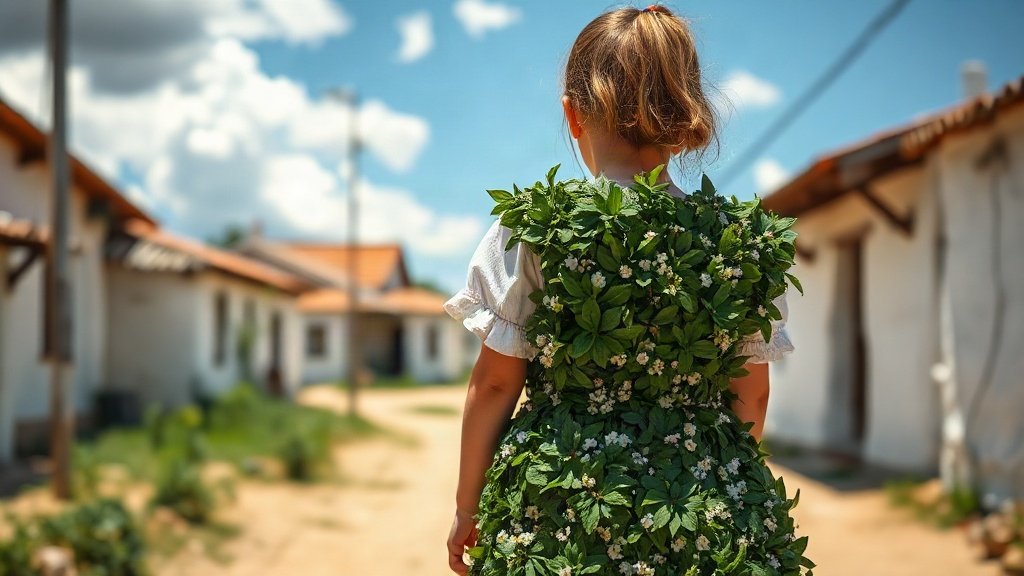
Illustration: AI-generated image
Across the Bulgarian countryside, when the summer sun beats down and the soil turns to dust, an ancient plea for rain rises from the village lanes. It is called Peperuda – a gentle, hopeful ritual in which a young girl, dressed in fresh green leaves, walks from house to house while villagers pour water over her and sing for the clouds to open. More than a superstition, Peperuda is a living thread connecting modern Bulgaria to its Thracian and Slavic past.
What is Peperuda?
Peperuda (also known as Perperuna or Dodola in other Slavic lands) is a traditional rainmaking ceremony practised for centuries across the Balkans. Its name is thought to derive from "perpera", an old word for butterfly, reflecting the fluttering, green-clad figure that is central to the ritual. In Bulgaria, the custom is most often performed during prolonged dry spells in late spring or summer, when crops and gardens desperately need water.
The Ritual in Practice
The main participant is usually a young girl, often an orphan or the youngest child in the village, chosen for her perceived purity. She is dressed from head to toe in fresh greenery – elder branches, willow, vines and wild flowers – so that she resembles a walking bush or a butterfly. Accompanied by a group of other children, she processes through the village, stopping at every house. The householder pours water over the leafy girl while the children sing a refrain such as:
Peperuda, peperuda,
Give us rain, give us water,
So the wheat may grow tall,
And the maize may fill the barns.
The drenching of the peperuda is not meant as discomfort but as a symbolic act: water poured on the earth's representative invites the heavens to do the same. In return for the song and blessing, householders give the children small gifts – flour, eggs, coins or bread – which are later shared or used for a communal meal.
Ancient Roots and Living Symbolism
Folklorists trace Peperuda to pre-Christian agricultural rites, possibly linked to the worship of a Thracian rain deity or to the ancient female figure of the "butterfly" as a mediator between earth and sky. The use of green branches, the pouring of water and the circular movement of the procession all echo fertility magic found across Europe. Christianity absorbed the practice, and in some regions the ritual is performed on specific feast days, such as the second day after Easter or the Feast of the Ascension, though it can be called upon any time drought threatens.
Today, Peperuda is rarely performed out of pure necessity; irrigation and weather forecasting have reduced its practical role. Yet the ritual survives as a cherished piece of intangible cultural heritage. Folk ensembles and village festivals regularly stage Peperuda processions to teach younger generations the songs and steps. Ethnographic museums in Bulgaria display the leaf costumes and recordings of the rain songs, preserving them for visitors and researchers.
Where the Tradition Lives On
While not tied to a single region, Peperuda has been documented most vividly in the rural areas of western and central Bulgaria, including the regions around Sofia, Pernik and Kyustendil. Today, it surfaces mainly during summer folklore festivals and school programmes. Visitors to Bulgaria's open-air ethnographic museums may see demonstrations of seasonal customs, and in dry years, a few villages still perform the full ritual as their ancestors did. Whether viewed as weather magic or as a beautiful piece of cultural memory, Peperuda remains a poignant reminder of humanity's ancient bond with rain and harvest.