Patatnik: Bulgaria's Grated Potato Pie from the Rhodope Mountains
Discover patatnik, a traditional Bulgarian dish made with grated potatoes, eggs, and sirene cheese, baked or fried to golden perfection.

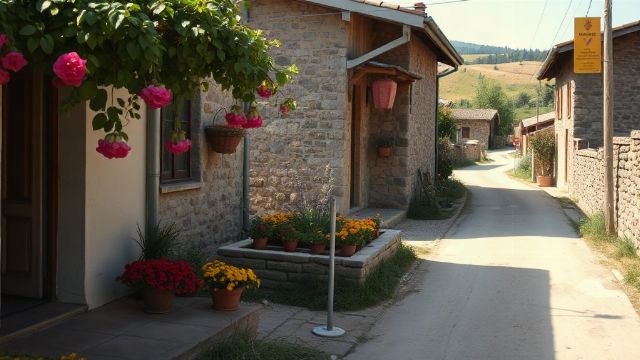
Illustration: AI-generated image
Deep in the Rhodope Mountains of southern Bulgaria, home cooks have long transformed humble potatoes into a dish that is at once simple and deeply satisfying. Patatnik is a savoury pie made from grated potatoes, eggs, and sirene cheese, with a crisp golden crust and a soft, tender centre. It is rustic, hearty, and beloved across the region, often appearing at family gatherings and village festivals.
What is Patatnik?
Patatnik belongs to a family of Bulgarian dishes based on grated potatoes. The name comes from the Bulgarian word patat, a regional term for potato. Unlike layered potato bakes such as rodopski klin, patatnik is a single cohesive mixture of grated potatoes, eggs, and cheese, seasoned with mint or other herbs. The mixture is shaped into a thick round and either baked in an oven or fried on a hot plate, known locally as a sach. The result is a pie with a crispy exterior and a moist, flavourful interior.
Key Ingredients
The beauty of patatnik lies in its short ingredient list. Potatoes are the star, and starchy varieties work best. They are peeled and finely grated, then combined with beaten eggs, crumbled sirene cheese, and a little flour or breadcrumbs to bind. Fresh mint, a classic Bulgarian herb, adds a bright, slightly peppery note that balances the richness. Some cooks also add a small amount of chopped onion or a pinch of savoury (chubritsa), a local herb blend.
Sirene is Bulgaria's traditional brined white cheese, similar to feta but usually milder and creamier. It gives patatnik its salty, tangy depth. If sirene is not available, a good-quality feta works as a substitute.
How It's Made
The first step is to squeeze excess liquid from the grated potatoes, which helps the pie hold together and crisp up during cooking. Some cooks soak the grated potato in cold water first, then squeeze it dry. The potato is mixed with the eggs, cheese, herbs, and a little flour to form a thick batter.
Traditionally, the mixture is spread into a greased pan and baked in a moderate oven until the top is golden and the centre is set. In mountain villages, it may instead be cooked on a flat, round sach over an open fire, flipped once to brown both sides. Whichever method, the key is to achieve a crunchy crust while keeping the inside soft. After baking, patatnik is usually cut into wedges and served warm.
Serving Suggestions
Patatnik is a versatile dish that works as a light main course, a side, or a hearty snack. It is often accompanied by a spoonful of thick Bulgarian yoghurt, which adds a cool, tangy contrast. A simple salad of tomatoes and cucumbers, or some pickled vegetables, also pairs well. In the Rhodopes, patatnik might be served with a dollop of lutenitsa, the roasted pepper and tomato spread, for extra flavour.
Leftovers can be reheated in a pan to restore crispness, though patatnik is best enjoyed fresh from the oven or sach.
Variations Across the Region
While the basic formula remains the same, families often have their own twists. Some add grated courgette or carrot for extra moisture and colour. Others use a mix of potato and pumpkin, especially in autumn, creating a sweeter version. A common variation involves cooking patatnik as individual small cakes rather than one large pie, which makes for a quicker fry and more crispy edges. In some villages, the mixture is layered with thin sheets of filo pastry for a flakier texture, though purists argue that true patatnik has no pastry at all.
Patatnik is more than just a recipe; it is a taste of the Rhodope Mountains, where resourcefulness and simple ingredients come together in the most delicious way. For anyone exploring Bulgarian cuisine, this grated potato pie is a comforting and memorable dish to try.