Nessebar: A Guide to Bulgaria's Ancient Seaside Town
Discover the winding cobbled lanes, medieval churches and sea views of Nessebar, one of Bulgaria's most atmospheric UNESCO World Heritage Sites.

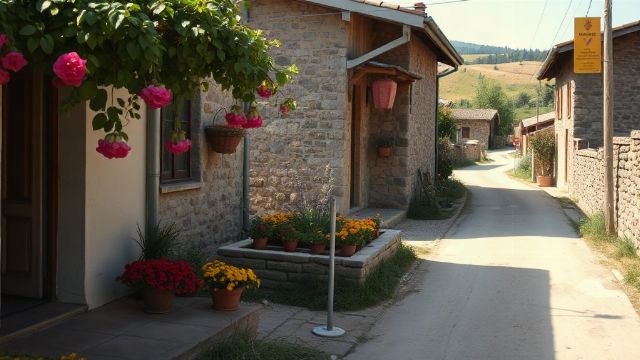
Illustration: AI-generated image
Perched on a rocky peninsula jutting into the Black Sea, Nessebar is a place where layers of history are visible at every turn. Often called the "Pearl of the Black Sea", this small town packs an astonishing number of churches, ruins and traditional houses into its compact old quarter. A UNESCO World Heritage Site since 1983, Nessebar offers a journey through more than three millennia of civilisation, from ancient Thracians to Byzantines and beyond.
A Journey Through History
Nessebar's story begins with the Thracians, who settled here as early as the 2nd millennium BC. Later, Greek colonists from Megara founded the city of Mesembria in the 6th century BC, and it flourished as a trading hub. Under Roman and then Byzantine rule, the town grew wealthy, leaving behind a remarkable collection of churches. During the Ottoman period, Nessebar retained its Greek character, and in the 19th century it became a centre of the Bulgarian National Revival. Today, the old town's narrow alleys and stone buildings whisper tales of these many eras.
What to See and Do
The old town is best explored on foot. Begin with the ancient fortifications: sections of the medieval walls still stand guard near the main gate. From there, wander into the labyrinth of cobbled streets, where wooden houses from the 18th and 19th centuries lean over the lanes, their upper floors jutting out over stone ground floors.
Nessebar is famed for its churches, many now in ruins but still evocative. The Church of St Stephen, also known as the New Bishopric, contains well-preserved 16th-century frescoes. Nearby, the Church of Christ Pantocrator features intricate brickwork and a distinctive dome. Other notable churches include St John the Baptist, St Paraskeva, and the Old Metropolitan Church, a grand basilica ruin overlooking the sea.
The Archaeological Museum, located near the town entrance, displays finds from the area, including Thracian, Greek and Roman artefacts. For a break, find a bench along the rocky shore and watch fishing boats bob in the harbour, or walk along the narrow isthmus connecting old Nessebar to the mainland. Just outside the old town, sandy beaches stretch north and south, offering a chance for a swim in summer.
Practical Tips
Nessebar is easily reached by road. Regular buses and minibuses connect it with Burgas and the nearby resort of Sunny Beach, and there is ample parking on the mainland side. The old town is pedestrian-only, so be prepared to walk. Comfortable shoes are essential: the cobblestones are charming but uneven.
Summer brings large crowds, so consider visiting in the early morning or late afternoon when the light is golden and the streets are quieter. Spring and autumn offer mild weather and fewer visitors. While many restaurants and shops line the main lanes, wandering into the quieter backstreets reveals hidden courtyards and peaceful corners. Note that the old town's narrow paths are not well suited to wheelchairs or pushchairs.