Martenitsa: A Guide to Bulgaria's Red and White Spring Tradition
Discover the meaning behind Bulgaria's martenitsa, the red and white symbol of spring, and learn how to take part in this beloved tradition on 1 March.
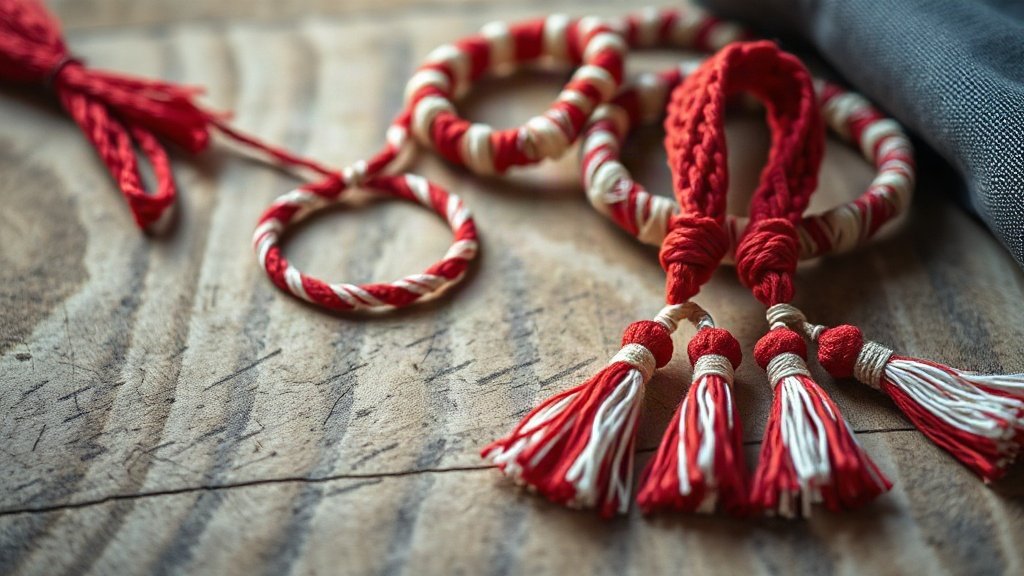
Illustration: AI-generated image
Every year on 1 March, Bulgarians celebrate the arrival of spring with a simple but heartfelt tradition: exchanging martenitsi. These small adornments, made from twisted red and white threads, are worn for health and good luck and are a defining symbol of Bulgarian culture.
What exactly is a martenitsa?
A martenitsa is usually a bracelet or a small tassel, but it can also be a pair of woollen dolls called Pizho and Penda. The red thread represents life, blood and warmth, while the white stands for purity, light and the melting snow. Together they are a wish for good health and a happy year ahead.
The legend of Baba Marta
The custom is linked to Baba Marta (Grandmother March), a grumpy old woman in Bulgarian folklore whose mood changes as quickly as the early spring weather. Wearing a martenitsa is said to appease her and bring sunny days. When you see a stork, a blossoming tree or a swallow, it is time to take off your martenitsa and tie it to a branch, leaving your wish with it.
How to take part as a visitor
If you are in Bulgaria around 1 March, you will see martenitsi everywhere: in markets, on street stalls and pinned to people's coats. It is easy to join in. Buy a few bracelets, give one to a friend or a local you have just met, and wear yours until spring truly arrives. There are no strict rules – just enjoy the colour and the kindness.
What to do with your martenitsa
Once you spot the first signs of spring, remove your martenitsa and tie it to a fruit tree or a blossoming bush. This act is thought to transfer the good luck to nature. If you cannot find a tree, you can keep it as a keepsake or place it under a stone, but tying it to a tree is the most traditional choice.
Martenitsi are not just souvenirs; they are a living tradition that connects people to nature and to each other. Whether you are in Sofia or a small village, you will feel part of the celebration simply by wearing red and white.