Make Turshiya: Bulgaria's Tangy Pickled Vegetables for Winter
Learn how to make this colourful, crunchy preserve that brightens Bulgarian tables all winter long.
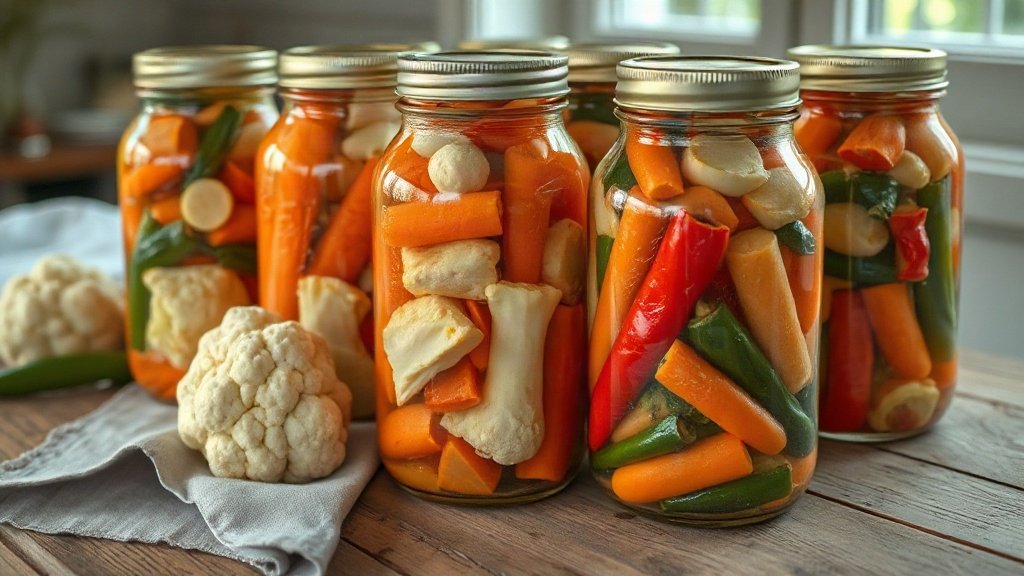
Illustration: AI-generated image
As autumn colours the Bulgarian countryside, kitchen gardens overflow with cauliflower, carrots, peppers and cabbage. For generations, families have preserved this abundance in jars of turshiya – a tangy, crunchy mix of pickled vegetables that brings a burst of summer to winter meals.
Turshiya is not a single recipe but a tradition: each household has its own blend, often kept secret. The basic method is simple, requiring no special equipment beyond clean jars and a cool, dark place. The result is a versatile side dish, salad base or snack that pairs beautifully with hearty winter stews and grilled meats.
What goes into turshiya?
The beauty of turshiya is its flexibility. Common vegetables include:
- Cauliflower – broken into florets, it absorbs the brine beautifully.
- Carrots – sliced into thick coins or sticks for crunch.
- Peppers – both sweet and mildly hot, left whole or halved.
- Green tomatoes – firm and tart, ideal for pickling.
- Cabbage – often shredded or cut into wedges.
- Celery – stalks and leaves add an aromatic note.
The brine is a simple mixture of water, salt and vinegar, with spices like black peppercorns, bay leaves, celery seeds and sometimes a little sugar. Garlic cloves and fresh dill are common additions, but feel free to experiment.
The basic method
Making turshiya is a satisfying weekend project. Here’s a simplified approach:
- Prepare the vegetables. Wash, trim and cut them into even pieces so they pickle at the same rate. Blanch harder vegetables like carrots and cauliflower for two minutes to soften them slightly.
- Make the brine. In a large pot, combine water, salt and vinegar (about 2 parts water, 1 part vinegar, and salt to taste). Bring to a boil, then remove from heat. Add your chosen spices.
- Pack the jars. Sterilise glass jars and fill them with the vegetables, layering in garlic, dill and spices. Pack tightly but leave a little headspace.
- Pour the brine. Carefully pour the hot brine over the vegetables, ensuring they are completely covered. Tap the jars to release air bubbles.
- Seal and store. Close the lids tightly and let the jars cool to room temperature. Then store them in a cool, dark place, like a cellar or pantry. The turshiya will be ready in about two weeks, but improves with age.
Tips for success
- Use the freshest vegetables you can find – autumn farmers’ markets are ideal.
- Keep everything clean: sterilised jars and utensils prevent spoilage.
- If you prefer a milder flavour, reduce the vinegar or add a spoonful of sugar.
- Open a jar only when ready to eat; once opened, keep it in the fridge.
- Don’t be afraid to add a slice of beetroot for a rosy colour, or a chilli for heat.
How to enjoy turshiya
Turshiya is a beloved companion to winter meals. Serve it alongside bean stew, lentil soup or grilled sausages. Chop it into a salad with olive oil and fresh herbs, or pile it onto a slice of crusty bread with feta cheese. The tangy brine is also a traditional cure for a heavy meal – many Bulgarians drink a small glass as a digestive.
Once you master the basic method, you can create your own signature blend. Whether you call it turshiya, pickles or simply winter in a jar, this preserve captures the spirit of Bulgarian home cooking: resourceful, generous and full of flavour.