Lutenitsa: Bulgaria's Beloved Roasted Pepper and Tomato Spread
Learn about lutenitsa, the thick, savoury roasted pepper and tomato spread that is a staple in Bulgarian kitchens. Discover how it is made, how to enjoy it, and how to make your own at home.

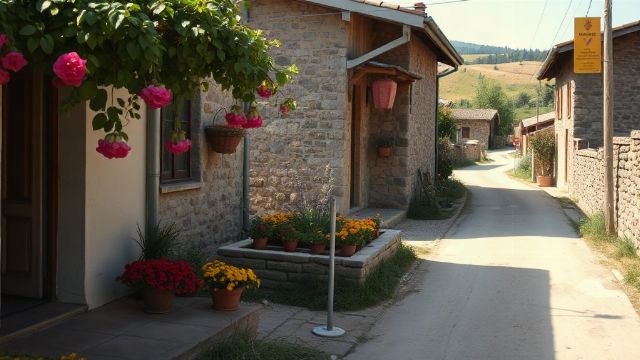
Illustration: AI-generated image
Lutenitsa is a thick, savoury spread made from roasted red peppers and tomatoes, sometimes enriched with aubergine, onion, garlic and warming spices. It holds a special place in Bulgarian kitchens, where it appears at breakfast, as part of a meze platter, and alongside grilled meats throughout the year. The name comes from the Bulgarian word lyut, meaning hot or spicy, though many homemade versions are mild and rely on sweet peppers for their rich flavour.
A taste of Bulgarian tradition
Making lutenitsa is a cherished late-summer and autumn ritual in Bulgaria, timed to coincide with the peak harvest of ripe, fleshy red peppers and juicy tomatoes. Families often prepare large batches together, roasting vegetables over open fires or in outdoor ovens to achieve a deep, smoky character. The cooked mixture is then simmered slowly until thick and concentrated, then sealed in jars to last through the winter months.
Because each household has its own recipe, lutenitsa can vary widely. Some versions are smooth and silky; others are chunky with visible vegetable pieces. Garlic, sunflower oil, sugar, salt and sometimes a touch of chilli or black pepper are common additions. In certain regions, grated carrot or mashed aubergine is folded in for extra sweetness and body.
How lutenitsa is made
The traditional method begins with roasting whole red peppers—often the long, pointed kapia variety prized for its sweetness—until their skins blister and char. The peppers are then peeled, deseeded and either minced or blended. Tomatoes are usually roasted or briefly boiled, then passed through a sieve to remove seeds and skin. The two are combined with finely chopped or crushed onion and garlic, and the mixture is cooked in a heavy pot over low heat, stirred frequently to prevent sticking.
Sunflower oil is added gradually, helping to create a glossy, spreadable texture, while sugar balances the tomatoes' acidity and salt enhances flavour. The lutenitsa is simmered for at least an hour, often much longer, until it reaches a thick, jam-like consistency that holds its shape on a spoon. It is then packed into sterilised jars while still hot, which seals them naturally for long storage.
Enjoying lutenitsa
Lutenitsa is incredibly versatile. The most classic way to eat it is spread generously on a thick slice of crusty bread, often topped with crumbled white cheese (sirene) and a drizzle of sunflower oil. It is also a popular filling for sandwiches, especially with grilled vegetables, eggs or cold cuts. As part of a meze spread, it sits comfortably alongside other dips and salads, ready to be scooped up with warm pita or flatbread.
Beyond bread, lutenitsa makes an excellent condiment for grilled meats, kebapche, kyufte and sausages. It can be stirred into stews or used as a base for pizza or savoury pastries. Some cooks thin it with a little water or stock to create a quick sauce for meatballs or vegetables.
Making your own at home
You don't need to wait for harvest season to enjoy homemade lutenitsa—though the best results come from ripe, in-season produce. A good starting ratio is two parts roasted red peppers to one part tomato purée or passata. Roast the peppers under a grill or over a gas flame until the skins are blackened, then cover and cool before removing skins and seeds. Chop or blend the peppers to your preferred texture.
In a large, heavy-based pot, gently cook finely chopped onion and garlic in sunflower oil until soft. Add the peppers and tomatoes, season with salt and a pinch of sugar, and simmer over low heat, stirring often, for at least 45 minutes to an hour. As the mixture thickens, add a little more oil and adjust seasoning. If you like a spicier lutenitsa, include a roasted hot chilli or a pinch of dried chilli flakes. Let the mixture cool slightly, then transfer to clean jars and store in the fridge for up to two weeks, or process in a water bath for longer shelf life.
Whether made in a big family batch or a small kitchen experiment, lutenitsa captures the sweet, smoky essence of Bulgarian summer in every jar.