Lukanka: Bulgaria's Savoury Dry-Cured Sausage Explained
A close look at lukanka, Bulgaria's prized air-dried sausage, from its traditional production to the best ways to serve it.
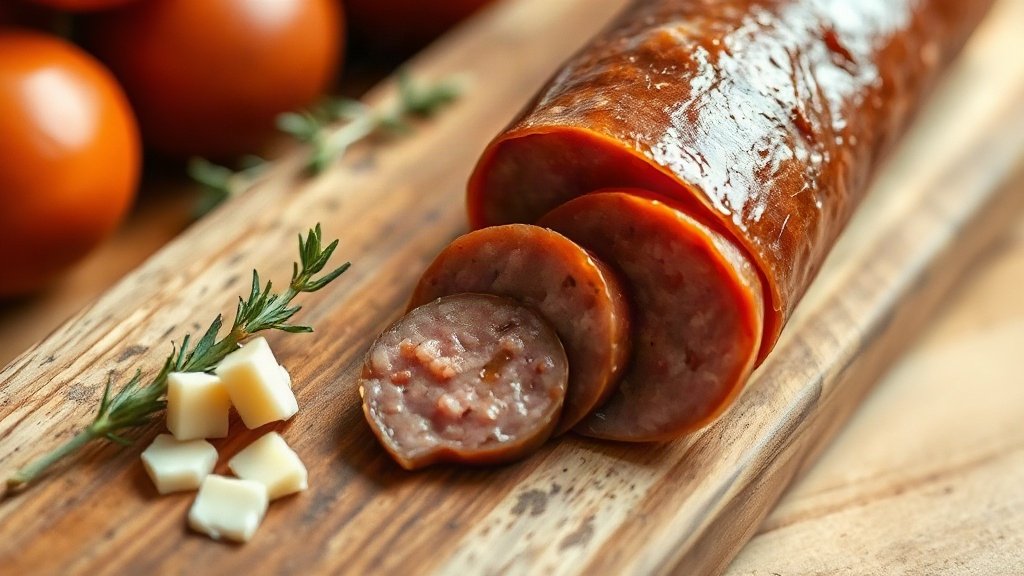
Illustration: AI-generated image
Ask any Bulgarian about their favourite meze and lukanka will almost certainly come up. This dense, dark red, dry-cured sausage is a staple on tables across the country, enjoyed as a snack, a starter, or a companion to a glass of rakia. With its intense, savoury flavour and firm yet tender texture, lukanka is a true taste of Bulgarian tradition.
What is Lukanka?
Lukanka is a type of flat, pressed salami made from a mixture of minced beef and pork, seasoned generously with salt, black pepper, cumin, and sometimes paprika or garlic. The mixture is stuffed into a natural casing, then pressed into its characteristic flattened shape and left to dry and mature for several weeks or even months. The result is a sausage with a deep, complex flavour that is both spicy and slightly tangy, with a firm but sliceable consistency.
Unlike many European salamis, lukanka is not smoked; instead, it relies on air-drying and fermentation to develop its distinctive taste. The casing is often covered with a thin layer of white mould, which is natural and harmless, and many Bulgarians consider it a sign of quality.
How is Lukanka Made?
Traditional lukanka production is a patient craft. The meat is carefully trimmed and minced, then mixed with a precise blend of spices. The mixture is left to rest so the flavours meld, then stuffed into beef or pork intestines. The sausages are then pressed between wooden boards to give them their flat, oval shape, which also helps expel excess air and ensures even drying.
After pressing, the lukanka is hung in well-ventilated rooms with controlled temperature and humidity. Over the course of a few weeks to a few months, it loses moisture, firms up, and develops its characteristic aroma. Some regional varieties are aged even longer, resulting in a harder, more intense sausage.
Regional Styles and Variations
While lukanka is made throughout Bulgaria, certain regions are particularly renowned for their versions. The town of Smyadovo in northeastern Bulgaria, for example, has a long tradition of lukanka production, and its name is often associated with high quality. Other notable varieties come from the regions of Panagyurishte, Karlovo, and Elena. Each area may use slightly different spice ratios or meat mixtures, giving their lukanka a unique character.
Some lukanka is made with a higher proportion of beef, making it drier and more robust, while others lean towards pork for a softer, fattier texture. A few versions include added wine or brandy in the mix, which contributes subtle depth to the flavour.
How to Enjoy Lukanka
Lukanka is incredibly versatile. It is most commonly served thinly sliced as part of a cold meze platter, alongside other cured meats, cheeses like sirene or kashkaval, olives, and fresh bread. It pairs beautifully with a glass of rakia, red wine, or even a cold beer.
For a quick and satisfying snack, Bulgarians often simply slice lukanka and eat it with bread and a piece of cheese. It can also be used in sandwiches, added to omelettes, or chopped into salads for an extra savoury kick. Because it is already cured and ready to eat, it requires no cooking.
When buying lukanka, look for a sausage that feels firm but not rock-hard, with a pleasant, slightly spicy aroma. It should be stored in a cool, dry place, and once cut, it is best wrapped in paper or cloth rather than plastic to preserve its texture.
Whether you are exploring Bulgarian cuisine for the first time or longing for a taste of home, lukanka offers a delicious introduction to the country's rich charcuterie traditions.