Kiselo Mlyako: A Guide to Bulgaria's Famous Yoghurt
Bulgarian yoghurt is famous far beyond the country's borders. Here is what makes kiselo mlyako special, and how locals actually eat it.
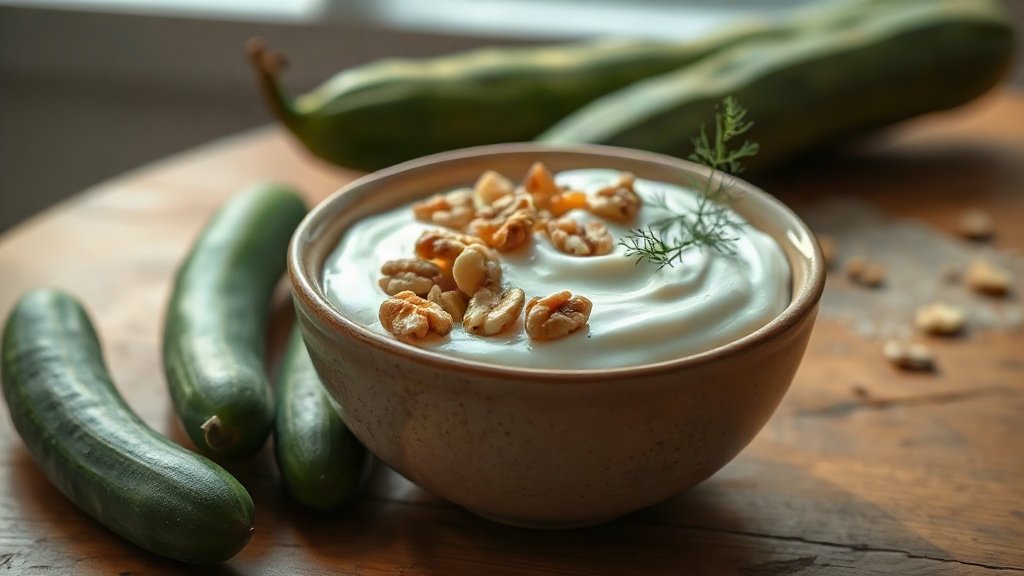
Illustration: AI-generated image
Ask a Bulgarian what food they are proudest of and yoghurt will come up quickly. Known locally as kiselo mlyako, which literally means "sour milk", it is a staple of fridges, breakfast tables and summer menus across the country.
What makes it special
Bulgarian yoghurt is traditionally made with a bacterial culture called Lactobacillus bulgaricus, named after the country. It is usually paired with a second bacterium, Streptococcus thermophilus. Together they give the yoghurt its clean tang and thick, set texture.
The flavour is noticeably sharper than many sweetened supermarket yoghurts abroad. Most Bulgarians eat it plain, and many people enjoy it that way for its freshness.
How locals eat it
Yoghurt is rarely a dessert here. It is an everyday ingredient, and it appears in all kinds of ways:
- On its own for breakfast or a light supper, sometimes with honey, jam or walnuts.
- With banitsa, where a glass of ayryan (a salty, thinned yoghurt drink) is the classic partner.
- As a side to stews, grilled meats and baked dishes, often spooned over the top.
- Strained into a thick, creamy base for dips and spreads.
Three dishes to try
Tarator is the great summer soup: cold yoghurt thinned with water, mixed with cucumber, garlic, dill and often crushed walnuts, finished with a little oil. It is served chilled and is wonderfully refreshing on a hot day.
Snezhanka, or "Snow White", is a salad made from strained yoghurt, cucumber, garlic, dill and walnuts. It is essentially a thicker cousin of tarator, and it turns up as a starter at many restaurants.
Ayryan is the simplest of all: yoghurt, water and salt, whisked until frothy. It is common at bakeries and snack counters and goes well with pastries.
Tips for buying and enjoying it
- Look for kiselo mlyako on the label. Many Bulgarians prefer varieties with a short ingredients list.
- Some shops and markets sell yoghurt in glass jars or clay pots, which locals often prefer for its taste and texture.
- If you try making tarator at home, chill everything first and add the garlic gradually, so you can judge the strength.
A taste worth seeking out
For visitors, yoghurt is one of the easiest ways to taste everyday Bulgarian life. Order a bowl of tarator in summer, add a spoonful alongside a hot main, or pick up a pot from a local shop. Simple as it is, it tells you a good deal about how Bulgaria eats.