Inside the Chitalishte: Bulgaria's Community Culture Centres
The chitalishte is the beating heart of Bulgarian community life, combining a library, arts groups and workshops under one roof. Here's what to expect and how to experience one.
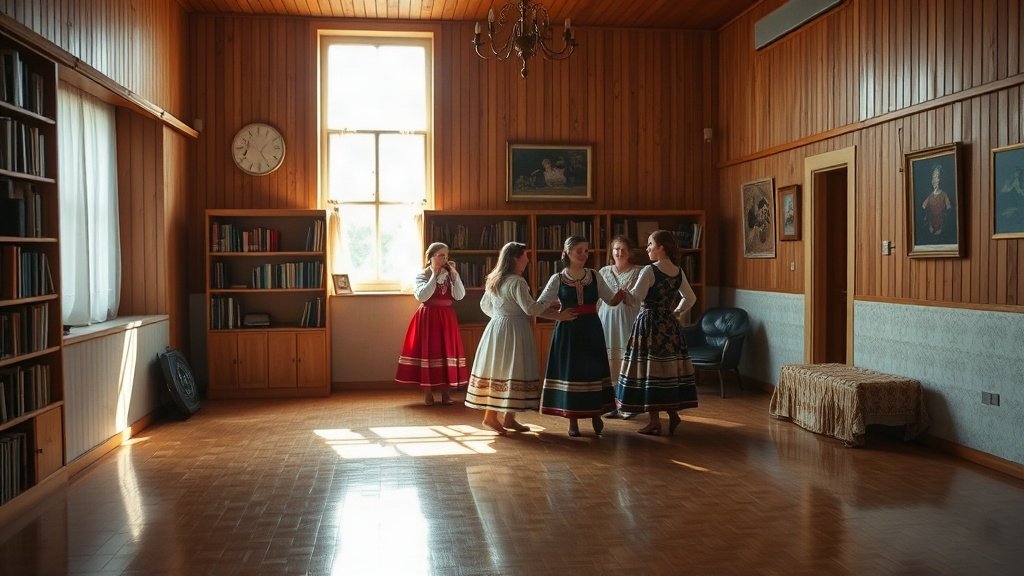
Illustration: AI-generated image
Across Bulgaria, the chitalishte (читалище) is more than a building — it’s a living tradition of community-led culture. These centres, found in nearly every town and village, have been the heart of Bulgarian arts, education and social life for over 160 years.
What is a chitalishte?
The word comes from the Bulgarian verb "cheta" (to read), reflecting the centres’ origins as reading rooms. The first chitalishte opened in Svishtov in 1856, during the National Revival, a time when Bulgarians were building institutions to preserve their language and identity.
Today, a typical chitalishte combines a public library, a space for amateur arts groups, and a venue for classes and performances. Many have folk dance ensembles, choirs, theatre troupes, language courses and traditional crafts workshops. They are run by local boards and supported by municipal budgets and membership fees, making them truly grassroots.
Why they matter
Chitalishta are credited with keeping Bulgarian folklore alive. The country’s famous vocal traditions, like the multipart singing of the Shopluk region or the Bistritsa Babi grandmothers, are often rehearsed and performed in these halls. They also serve as informal schools, preserving crafts such as weaving, embroidery and woodcarving.
UNESCO recognised the chitalishte network in 2017, adding it to the Register of Good Safeguarding Practices for intangible cultural heritage. The organisation noted that the centres effectively combine library services with community development and the transmission of living traditions.
For visitors, a chitalishte offers an authentic glimpse into local life that no museum can match. You might stumble upon a horo dance practice, a poetry reading or a rehearsal for the next village festival. The atmosphere is welcoming, and many centres are happy to let respectful outsiders observe or even join in.
How to find and visit
Almost every settlement in Bulgaria has a chitalishte, often in a central location near the main square or the church. Look for a sign reading “Читалище” or ask locals for the “chitalishte.” They are usually open during daytime hours on weekdays, with activities peaking in the evenings and on weekends.
- Check local noticeboards or municipal websites for event schedules.
- Pop in during a rehearsal; you may be invited to sit and watch.
- Ask about upcoming festivals or workshops open to the public.
- If you play an instrument or sing, some groups welcome new members.
If you are staying in a village, the local mayor’s office or a nearby café can point you to the chitalishte and tell you when groups meet. Many centres also have a small sign outside listing the week’s activities, from children’s art classes to traditional singing rehearsals.
Etiquette is simple: dress modestly, speak quietly in the library area, and always ask before taking photos. A small donation to the centre’s upkeep is appreciated but never required.
What you might see
Inside, the first thing you’ll likely notice is the library, often stacked with Bulgarian classics and local history books. Past the reading room, there may be a hall with wooden floors worn smooth by decades of dancing. Rehearsal spaces buzz with activity: a group of women embroidering traditional shirts, a choir practising a haunting Rhodope song, or a dance troupe perfecting the intricate steps of a Shopluk horo.
During major holidays like Easter or the village’s annual fair, the chitalishte becomes the staging ground for public celebrations. Costumes are aired, instruments tuned, and the whole community turns out to watch performances that draw on centuries-old repertoires.
A living tradition
Despite modern distractions, chitalishta remain vital. They host everything from computer classes for seniors to children’s art clubs. In rural areas, the chitalishte is often the only public cultural venue, hosting weddings, christenings and memorial gatherings alongside concerts and exhibitions.
For anyone eager to understand Bulgaria beyond the tourist trail, an hour inside a chitalishte can reveal more about the national character than a dozen guidebooks. It’s where tradition is not preserved under glass but practised, improvised and passed on with joy.