How to Set Up Utilities in Bulgaria: A Step-by-Step Guide for Newcomers
Moving into a new home in Bulgaria? Here’s what you need to know about connecting electricity, water, heating and internet, and the documents you’ll need.

Illustration: AI-generated image
Setting up utilities in a new home is one of the first practical tasks every newcomer faces. In Bulgaria, the process is relatively straightforward, but it helps to know what to expect and which documents to have ready. This guide covers the basics of connecting electricity, water, heating and internet, so you can settle in without unnecessary stress.
Before You Move In
Most utility accounts are tied to the property rather than the person. If you are moving into a rented flat, the previous tenant may have already closed their accounts, but in many cases the landlord handles the transfer. It is always worth clarifying who is responsible for utilities before you sign a rental contract. If you are buying a property, the seller should provide a statement from the utility companies showing there are no outstanding debts.
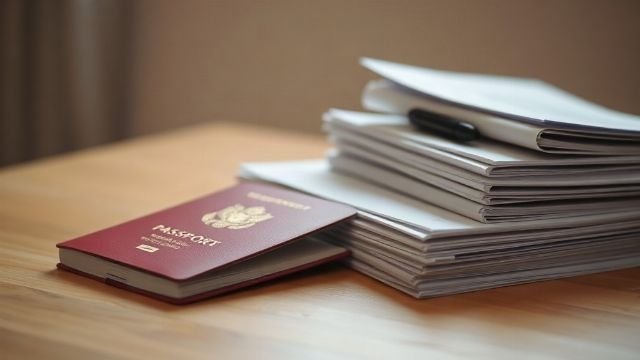
You will need the following documents for most utility connections:
- A valid ID or passport (and residence permit if applicable)
- Proof of address, such as a rental contract or property deed
- Your Bulgarian personal identification number (EGN or LNCh) if you have one
- Details of your bank account if you plan to pay by direct debit
Having these ready will speed up the process at each provider’s office or online portal.
Electricity
Electricity supply in Bulgaria is provided by regional distribution companies. To open an account in your name, you will need to visit the local office of the electricity provider for your area or use their online services if available. You will need to provide proof of address and identification. The provider will then create a customer number and, if the property has a new smart meter, they may activate it remotely. For older meters, a technician may visit to take an initial reading or check the installation.
If the property already has an active connection, you may be able to take over the contract from the previous occupant. This often requires a final reading and a settlement of any outstanding balance. Your landlord can also keep the account in their name and simply include utility costs in your rent, which is common for short-term lets.
Water
Water and sewerage services are managed by regional water utilities. The process is similar to electricity: you need to register at the local water company office with your documents. In apartment buildings, water is usually supplied through a single connection for the whole block, and each flat may have its own submeter. If your flat does not have an individual water meter, your consumption might be calculated based on the number of residents or a fixed share of the building’s total usage. Ask your landlord or neighbours how water billing works in your specific building.
When you open an account, the water utility will record the current meter reading (if you have one) and start billing you from that point. Payments can be made at post offices, banks, or through online banking.
Heating
Heating in Bulgaria varies widely depending on the property. Many homes use electric heaters or air conditioners, which means heating costs are included in your electricity bill. In some cities, district heating is available, supplied by a central utility. If your building is connected to district heating, you will need to open an account with the local heating company, which may require a separate registration. The heating company will usually install or check a heat meter in your flat. In buildings without individual meters, heating costs are often distributed according to the square footage of each flat or based on readings from shared meters.
For homes with wood or pellet stoves, you are responsible for sourcing fuel yourself, and there is no utility connection required. Always check the heating system before you commit to a property, as winter temperatures can be low.
Internet
Internet and phone services are provided by several private companies. You can choose a provider based on coverage in your area and the speed you need. To sign up, you will usually need to visit a provider’s shop or call their customer service. They will ask for your address and ID, and then schedule a technician to install the equipment. Installation is often free, but some providers may charge a small fee for the router or activation. Contracts are typically for one or two years, with early termination fees. If you are renting, check with your landlord before installing any fixed equipment, such as fibre optic cables.
Paying Your Bills
Utility bills in Bulgaria are usually issued monthly, either by post, email, or through the provider’s online portal. You can pay at bank counters, post offices, or via online banking. Many providers offer direct debit, which is a convenient way to avoid late payments. Keep all receipts or confirmation numbers until the payment is reflected in your next bill. If you have multiple utilities, you can often pay them all through a single banking app.
Setting up utilities might take a day or two of running errands, but once everything is registered, the monthly routine is simple. With a little preparation, you can enjoy your new home in Bulgaria without any interruptions.