How to Open a Restaurant in Bulgaria: A Practical Guide
From concept to first service: a step-by-step look at the legal, practical and cultural points to consider when starting a restaurant in Bulgaria.
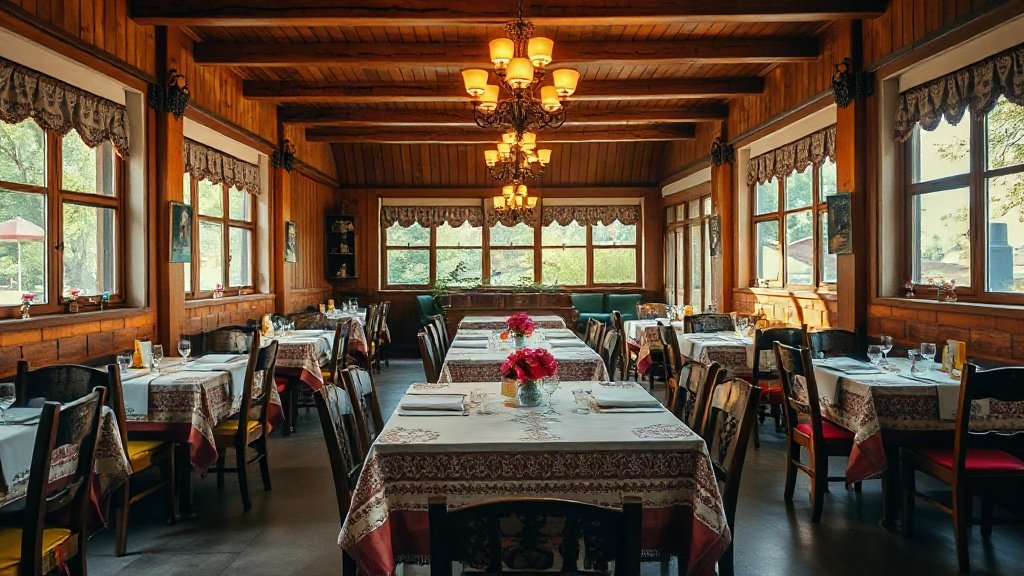
Illustration: AI-generated image
Opening a restaurant in Bulgaria can be a rewarding venture. The country’s food culture is rich and dining out remains popular among locals and the many tourists who visit each year. This guide outlines the main steps to get your restaurant up and running.
Develop Your Concept and Business Plan
Before you sign any paperwork, think carefully about the type of restaurant you want to open. Will it serve traditional Bulgarian dishes, international cuisine, or a fusion menu? Your concept will influence everything from location to interior design and staffing.
A solid business plan is essential. It should cover your target customers, menu pricing, expected costs, and revenue forecasts. Many first-time restaurant owners underestimate operating expenses, so be realistic about rent, utilities, ingredients, and wages.
Choose a Legal Structure
Most foreign entrepreneurs choose to register a limited liability company (OOD in Bulgarian). This structure limits your personal liability and is relatively straightforward to set up. You can also operate as a sole trader, but that exposes your personal assets to business debts.
Registration is done through the Bulgarian Commercial Register. You will need a registered office address and at least one director. If you are not an EU citizen, you may need a residence permit before you can manage the business on a daily basis.
Find the Right Location
Location can make or break a restaurant. In larger cities like Sofia, Plovdiv, or Varna, popular areas with high foot traffic command higher rents but attract more customers. In smaller towns or rural areas, rent is cheaper but you may rely more on repeat local trade and seasonal tourism.
Check the zoning of any property you consider. Not every building is approved for food service. You will also need to ensure the premises meet fire safety and accessibility standards.
Obtain Permits and Licences
Opening a restaurant requires several approvals. The main ones include:
- Registration with the Bulgarian Food Safety Agency (BFSA) – You must notify them before starting operations and undergo an inspection.
- Trade permit from the local municipality – This confirms your business is allowed to operate in that location.
- Alcohol licence – If you plan to serve alcoholic drinks, you need a specific permit.
- Fire safety certificate – The premises must meet fire regulations.
It is wise to engage a local lawyer or consultant familiar with hospitality regulations to help navigate the paperwork. Requirements can vary slightly between municipalities.
Design Your Kitchen and Dining Area
The kitchen layout must comply with hygiene rules. You will need separate areas for food preparation, cooking, and washing. Surfaces should be easy to clean, and ventilation is critical. The dining area should be comfortable and match your concept.
Bulgarian restaurants often incorporate a warm, welcoming atmosphere. Traditional décor elements like wood and woven textiles are popular, but modern minimalist designs also work well in urban centres.
Hire and Train Staff
You will need at least a chef, kitchen assistants, and waiting staff. In Bulgaria, many restaurants operate with small teams, especially outside peak season. All staff who handle food must have a valid health certificate.
Training on customer service is important. Bulgarians appreciate friendly but professional service. If you cater to tourists, your staff should be able to communicate in English at a basic level.
Market Your Restaurant
Even the best food needs promotion. Create a presence on social media and local food platforms. Many Bulgarians use Google Maps and Facebook to find places to eat, so make sure your listing is accurate and includes photos of your dishes. Consider offering a grand opening discount or a special menu to attract initial customers.
With careful planning and attention to local requirements, your restaurant can become a favourite destination for both locals and visitors.