How to Make Bulgarian Rose Water at Home
Learn a simple method for distilling fragrant rose water from fresh petals, a tradition rooted in Bulgaria's Rose Valley, and discover its many everyday uses.
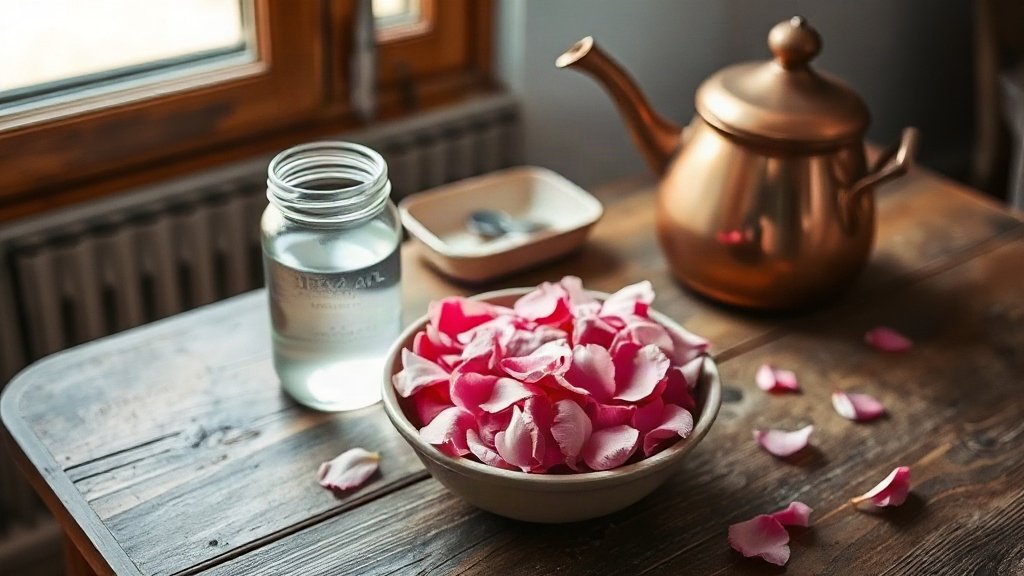
Illustration: AI-generated image
Rose water is one of Bulgaria's most beloved natural products, with a history that stretches back centuries. The country's Rose Valley, nestled between the Balkan Mountains and Sredna Gora, produces some of the finest rose oil and rose water in the world. While commercial production involves large-scale distillation, you can make a small batch of rose water at home using a simple kitchen method. It is a rewarding way to capture the essence of Bulgarian roses and bring a touch of tradition into your daily routine.
A Tradition from the Rose Valley
The Damask rose (Rosa damascena) has been cultivated in Bulgaria for over 300 years. The region around Kazanlak and Karlovo is famous for its rose fields, and each spring the harvest is celebrated with festivals and rituals. Rose water is a by-product of the steam distillation process used to extract rose oil. It has been used for generations in cooking, cosmetics, and religious ceremonies. Making your own rose water at home connects you to this living heritage.
Choosing Your Roses
For the best results, use fresh, fragrant rose petals. Ideally, choose Damask roses or other highly scented varieties. If you have access to a garden, pick petals in the early morning when their essential oils are most concentrated. Make sure the roses have not been sprayed with pesticides or chemicals. You will need about two cups of loosely packed petals for a small batch. Gently rinse the petals to remove any dust or insects, then pat them dry.
Simple Home Distillation
There are a few ways to make rose water at home, but one of the easiest is the pot-in-pot steaming method. You will need a large pot with a lid, a heatproof bowl that fits inside, a smaller heatproof bowl or ramekin, some ice cubes, and the rose petals.
- Place the smaller bowl (or ramekin) in the centre of the large pot. This will collect the rose water.
- Scatter the rose petals around the smaller bowl, covering the bottom of the large pot.
- Pour enough water into the pot to just cover the petals, but do not let water get into the collecting bowl.
- Place the lid on the pot upside down. The handle should point down toward the collecting bowl. If your lid has no handle, you can place a heatproof cup in the centre.
- Bring the water to a gentle simmer over medium-low heat. Then place ice cubes on top of the inverted lid. As steam rises, it will condense on the cold lid and drip into the collecting bowl.
- Replace the ice cubes as they melt. After about 30–45 minutes, you should have a small amount of clear, fragrant rose water in the bowl.
- Turn off the heat and let the pot cool slightly before carefully removing the bowl. Pour the rose water into a clean glass bottle or jar.
This method produces a delicate rose water. For a stronger scent, you can repeat the process using the same water and fresh petals, but it is generally best for culinary and cosmetic use as is.
How to Use Rose Water
Rose water is incredibly versatile. In Bulgarian kitchens, it is often added to desserts such as baklava, revane, and lokum (Turkish delight). A few drops can flavour rice pudding, fruit compotes, or even a glass of cold water with honey. It is also used in some traditional breads and pastries. In cosmetics, rose water is a gentle toner and can be mixed with glycerine for a moisturising spray. It is also used in hair rinses and as a natural perfume. In Bulgarian Orthodox tradition, rose water may be used to bless homes or as a fragrant addition to holy water.
Storing Your Rose Water
Homemade rose water should be stored in a sterilised glass bottle or jar with a tight-fitting lid. Keep it in a cool, dark place or refrigerate it. Because it contains no preservatives, it is best used within a few weeks. If you notice any cloudiness or off smell, discard it. For longer storage, you can freeze rose water in ice cube trays and thaw small amounts as needed.