How to Celebrate a Bulgarian Wedding: A Guest's Guide
From the role of the kum to dancing the horo with money pinned to your clothes, here's what to expect when you're invited to a Bulgarian wedding.
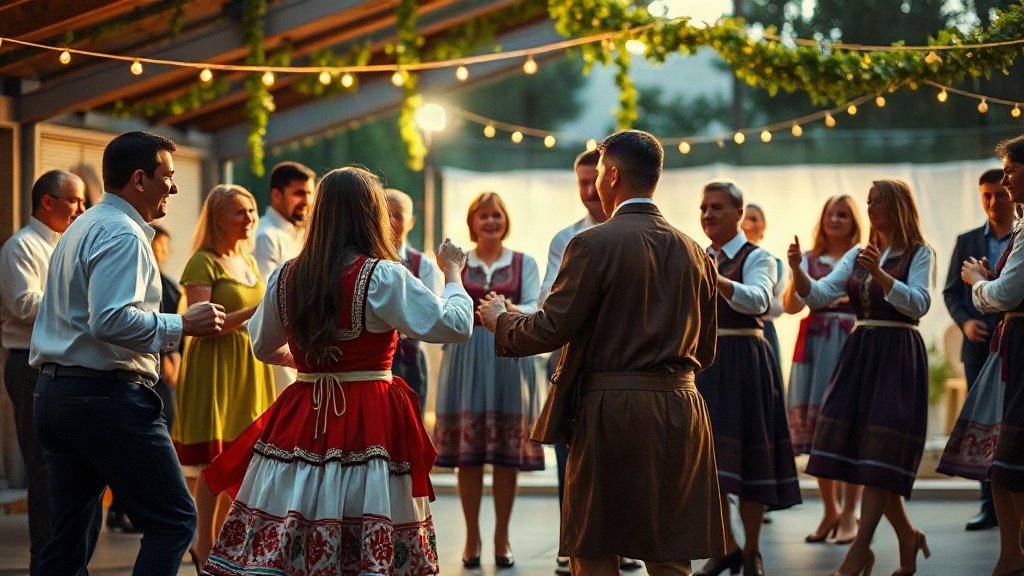
Illustration: AI-generated image
If you receive an invitation to a Bulgarian wedding, prepare for a vibrant, heartfelt celebration that can last well into the early hours. Weddings in Bulgaria are major social events, often with hundreds of guests, and they are rich in customs that have been passed down for generations. Knowing what to expect will help you relax and enjoy every moment.
The structure of the celebration
A traditional Bulgarian wedding is not a single event but a series of gatherings. It often begins with an engagement ceremony (godezh), followed by the wedding day itself, which typically includes a civil ceremony at the municipality and a religious ceremony in an Orthodox church. The main celebration, known as the svatba, is a long reception with food, music and dancing that can go on for many hours, sometimes until dawn.
Guests are usually invited to the whole day, from the church to the restaurant or hall. Punctuality matters for the ceremonies, but the party itself is more relaxed; people may arrive and leave at different times.
Key people to know
The most important guest is the kum (godfather or sponsor) and his wife, the kuma. This couple acts as the spiritual guides for the newlyweds and often leads key rituals. You may also hear the term kumove for the pair. Treat them with respect; their role is highly honoured.
The bride and groom will also have a best man (shafеr) and maid of honour, but the kum and kuma take precedence in the ceremony.
What to wear and bring
Dress formally: smart suits for men, elegant dresses for women. Bright colours and festive attire are welcome; avoid wearing white, which is reserved for the bride. Black is acceptable but not required, and many guests choose colourful outfits. Comfortable shoes are a must, as there will be hours of dancing.
Gifts are almost always given in the form of money. Place cash in a decorative envelope or card and hand it to the couple or the kum at an appropriate moment. Some guests also bring a small token gift, but money is the norm. During the party, guests may pin paper money onto the bride's and groom's clothing while dancing the horo – this is a joyful custom, not a demand.
Rituals to watch for
- Breaking of bread: The kum breaks a round loaf of bread (pitka) over the heads of the couple. Whoever gets the larger piece is said to be the head of the household. Guests then share the bread.
- Stepping on feet: During the church ceremony or the first dance, the bride and groom may try to step on each other's feet. The one who succeeds first is believed to have the upper hand in the marriage – all in good fun.
- Bouquet and garter toss: Like in many cultures, the bride throws her bouquet to single women, and the groom may remove and toss a garter to single men.
- Horo dance: The traditional line dance is a highlight. Join in if you can – it's a great way to connect with other guests. Steps are simple and you can follow the person in front.
Food, drink and toasts
Expect a lavish meal with multiple courses, often starting with salads like shopska, followed by grilled meats, stews and rich desserts. Banitsa (cheese-filled pastry) is a staple for luck. Rakia, the local fruit brandy, is served for toasts, and wine flows freely. The most common toast is "Nazdrave!" (to your health). The kum usually gives the first and most important toast, so listen quietly and raise your glass.
Practical tips for guests
- Respond to the invitation promptly and ask about any specific customs if you are unsure.
- Arrive on time for the church or civil ceremony; being late is considered disrespectful.
- Bring cash in a card for the gift; small denominations are fine for pinning during dances.
- Don't be afraid to participate in dances and rituals – Bulgarians appreciate enthusiasm.
- Learn a few phrases: "Chestito!" (congratulations) and "Nazdrave!" (cheers) go a long way.
Attending a Bulgarian wedding is a wonderful way to experience the country's culture. With this guide, you'll be ready to celebrate with joy and confidence.